
Apr . 01, 2024 17:55 Back to list
china car washer hose suppliers Performance Analysis
Introduction
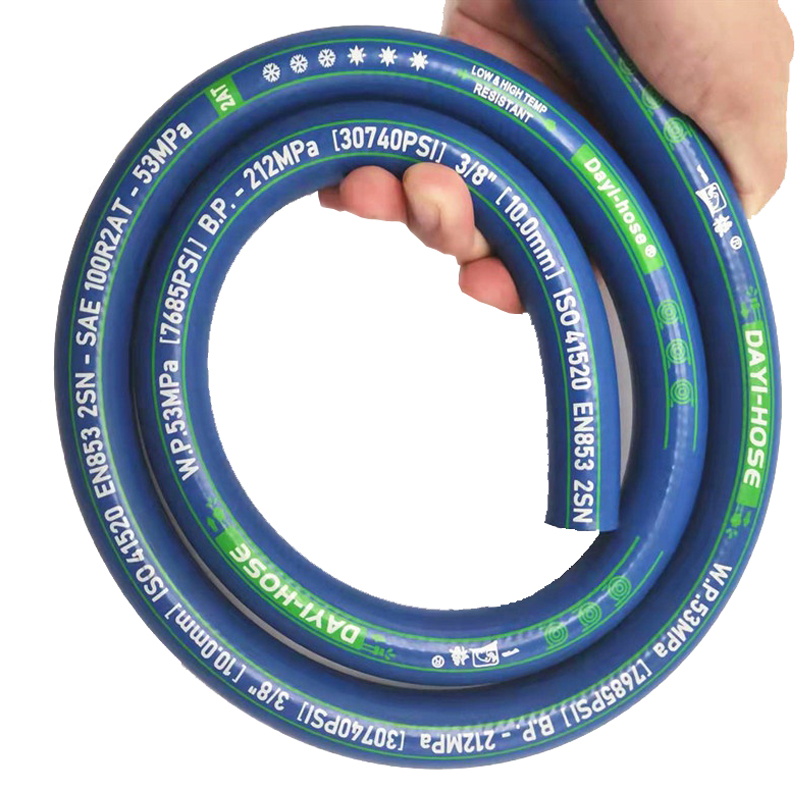
High-pressure car wash hoses supplied by manufacturers in China represent a critical component within the automotive service industry, serving as the fluid conduit for delivering water and cleaning solutions during vehicle washing operations. Positioned within the industrial chain between raw material suppliers (primarily PVC, rubber, and reinforcing fiber manufacturers) and the end-user – car wash facilities, mobile detailing services, and automotive dealerships – these hoses demand robust performance characteristics. Core performance metrics include burst pressure resistance, kink resistance, abrasion resistance, and resistance to chemical degradation from common detergents and cleaning agents. The increasing demand for automated car washing systems and a heightened focus on water conservation are driving innovation in hose design and material selection, impacting the competitive landscape of china car washer hose suppliers. A significant pain point within the industry revolves around maintaining consistent quality control, meeting international safety standards, and providing durable products capable of withstanding frequent high-pressure usage and diverse environmental conditions.
Material Science & Manufacturing
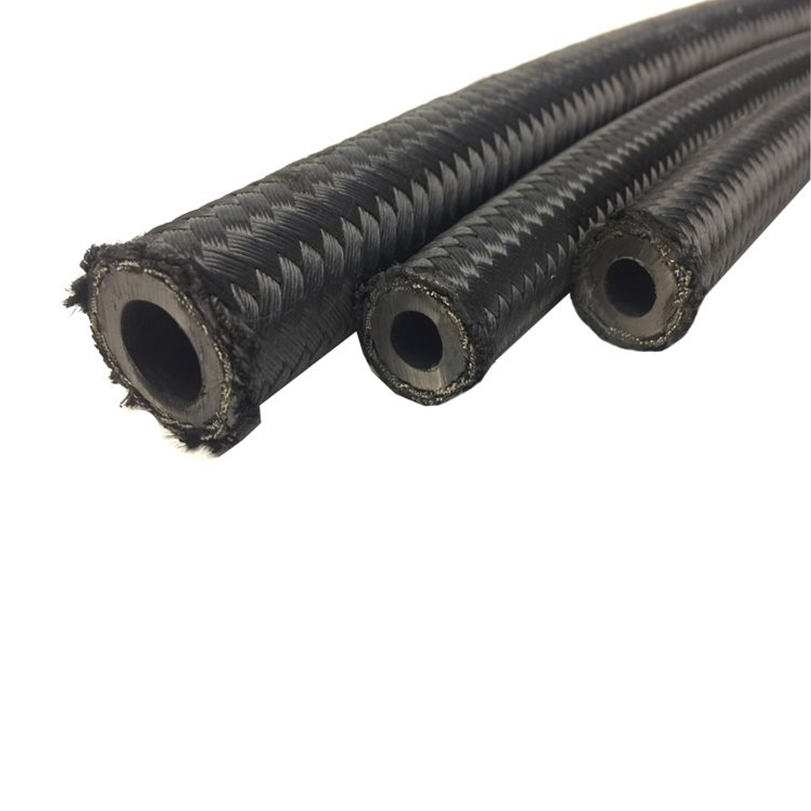
Car wash hoses are typically constructed from a multi-layered system. The inner tube, responsible for fluid conveyance, is most commonly composed of Polyvinyl Chloride (PVC) chosen for its cost-effectiveness, flexibility, and resistance to water. However, higher-performance hoses utilize specialized rubber compounds such as Nitrile Butadiene Rubber (NBR) or Ethylene Propylene Diene Monomer (EPDM) for enhanced chemical resistance and operational temperature range. The reinforcement layer is crucial for withstanding high internal pressures; this is typically constructed from high-tensile strength polyester or nylon braiding. The number of plies in the braiding directly correlates with the hose’s burst pressure rating. Finally, the outer cover provides abrasion and weather protection, also commonly employing PVC but increasingly incorporating thermoplastic polyurethane (TPU) for superior durability and flexibility.
Manufacturing processes vary depending on the hose complexity. PVC hoses are often produced via extrusion, where molten PVC is forced through a die to form the inner tube and outer cover simultaneously. The reinforcement layer is then spirally wound or braided onto the inner tube before the outer cover is applied. Rubber hoses utilize similar extrusion techniques but require vulcanization – a chemical process involving heating and sulfur to cross-link the rubber polymers, enhancing its strength and elasticity. Quality control is paramount at each stage, including raw material inspection (verifying resin purity and fiber tensile strength), dimensional accuracy checks during extrusion, and pressure testing to confirm burst strength. Critical parameters include maintaining consistent wall thickness, proper adhesion between layers, and uniform braiding tension. Chinese suppliers increasingly employ automated braiding machines and inline pressure testing equipment to improve consistency and reduce defects.
Performance & Engineering
The primary engineering challenge in car wash hose design is mitigating the stresses induced by high-pressure water flow and repeated bending/kinking. Force analysis reveals that internal pressure creates hoop stress within the hose wall, proportional to the pressure and radius of the hose. The reinforcement layer absorbs the majority of this stress. Repeated flexing induces fatigue, potentially leading to cracking or delamination over time. Kink resistance is improved by incorporating a tighter radius bend radius and utilizing materials with high elongation at break. Abrasion resistance is vital to prevent outer cover damage from contact with vehicle surfaces or abrasive cleaning agents.
Environmental resistance is a significant consideration. Prolonged exposure to ultraviolet (UV) radiation can degrade PVC, leading to brittleness and cracking. Chemical compatibility with common car wash detergents (including alkaline and acidic cleaners) is essential to prevent swelling, softening, or permeation. Hoses must also withstand a wide temperature range, from freezing conditions in colder climates to elevated temperatures in direct sunlight. Compliance requirements are dictated by regional regulations, which often specify minimum burst pressure ratings, material safety standards (e.g., RoHS compliance to restrict hazardous substances), and dimensional tolerances. Finite element analysis (FEA) is increasingly used by china car washer hose suppliers to optimize hose designs and predict performance under various operating conditions.
Technical Specifications
| Parameter | Unit | Standard Grade Hose | Premium Grade Hose |
|---|---|---|---|
| Working Pressure | MPa | 15 | 20 |
| Burst Pressure | MPa | 45 | 60 |
| Inner Diameter | mm | 10 | 12 |
| Outer Diameter | mm | 16 | 19 |
| Tensile Strength (Reinforcement) | N/mm² | 1500 | 2000 |
| Elongation at Break (Outer Cover) | % | 300 | 400 |
Failure Mode & Maintenance
Common failure modes in car wash hoses include burst failure due to exceeding the working pressure, kinking leading to localized stress concentration and eventual cracking, abrasion causing outer cover failure and subsequent reinforcement exposure, and chemical degradation resulting in material softening and permeation. Fatigue cracking can occur in the reinforcement layer due to repeated bending. Delamination between layers can also occur, compromising the hose’s structural integrity. Oxidation of rubber components, particularly at elevated temperatures, can lead to brittleness and cracking. A critical failure mode specific to hoses used in automatic wash systems is impact damage from car brushes or other moving parts.
Preventative maintenance is crucial to extend hose lifespan. Regular visual inspections should be conducted to identify signs of wear, abrasion, or cracking. Hoses should be properly stored when not in use, avoiding direct sunlight and extreme temperatures. Avoid sharp bends or kinks during operation. After each use, the hose should be thoroughly flushed with clean water to remove any residual detergents or cleaning agents. Damaged hoses should be replaced immediately. Periodic pressure testing can also be performed to verify the hose’s structural integrity. The use of high-quality fittings and proper hose connections is also essential to prevent leaks and failures at the connection points. China car washer hose suppliers often provide recommendations on compatible fittings and optimal operating procedures.
Industry FAQ
Q: What is the difference between PVC and rubber car wash hoses, and when should I choose one over the other?
A: PVC hoses are generally more cost-effective and suitable for applications with moderate pressures and temperatures. They are sufficient for many basic car wash operations. Rubber hoses (NBR or EPDM) offer superior chemical resistance, flexibility at low temperatures, and higher pressure capabilities. Choose a rubber hose when using aggressive cleaning agents, operating in cold climates, or requiring higher burst pressures, such as in automated car wash systems.
Q: How do I determine the appropriate working pressure rating for my car wash hose?
A: The working pressure rating should exceed the maximum pressure generated by your car wash pump. It's best to add a safety factor of at least 2:1. For example, if your pump produces a maximum pressure of 10 MPa, choose a hose with a working pressure of at least 20 MPa. Consider the potential for pressure spikes and fluctuations when selecting a hose.
Q: What does 'ply' refer to in relation to hose reinforcement, and how does it affect performance?
A: 'Ply' refers to the number of layers of reinforcing fiber (typically polyester or nylon) braided around the inner tube. More plies provide greater strength and resistance to burst pressure. A higher ply rating generally indicates a more durable and higher-performing hose, but also a potentially higher cost.
Q: How can I extend the lifespan of my car wash hose?
A: Regular inspection for wear and tear, proper storage (avoiding sunlight and extreme temperatures), avoiding sharp bends or kinks, thorough rinsing after each use, and using compatible fittings are crucial for extending hose life. Replacing damaged hoses promptly is also essential to prevent catastrophic failure.
Q: What certifications should I look for when sourcing car wash hoses from China?
A: Look for hoses that comply with relevant international standards such as REACH and RoHS (regarding hazardous substances), and potentially ISO 9001 (quality management system). Certification from a reputable testing agency can provide assurance of the hose's performance and safety characteristics. Request documentation from the supplier to verify compliance.
Conclusion
The selection of a suitable car wash hose hinges on a careful evaluation of operational parameters, including working pressure, chemical exposure, temperature range, and mechanical stresses. China car washer hose suppliers offer a diverse range of products, but discerning buyers must prioritize quality control, adherence to international standards, and material selection to ensure durability and safety. Understanding the fundamental material science and manufacturing processes underpinning hose construction is critical for making informed purchasing decisions and maximizing long-term value.
Future trends in car wash hose technology are likely to focus on the development of more sustainable materials, improved abrasion resistance through advanced outer cover formulations, and the integration of smart sensors to monitor hose condition and predict potential failures. Increased demand for environmentally friendly car wash solutions will also drive innovation in hose designs that minimize water consumption and reduce chemical usage. The role of China as a leading supplier in this market will continue to evolve as manufacturers adopt increasingly sophisticated manufacturing techniques and quality control procedures.