
Apr . 01, 2024 17:55 Back to list
china car washer hose supplier Performance Analysis
Introduction
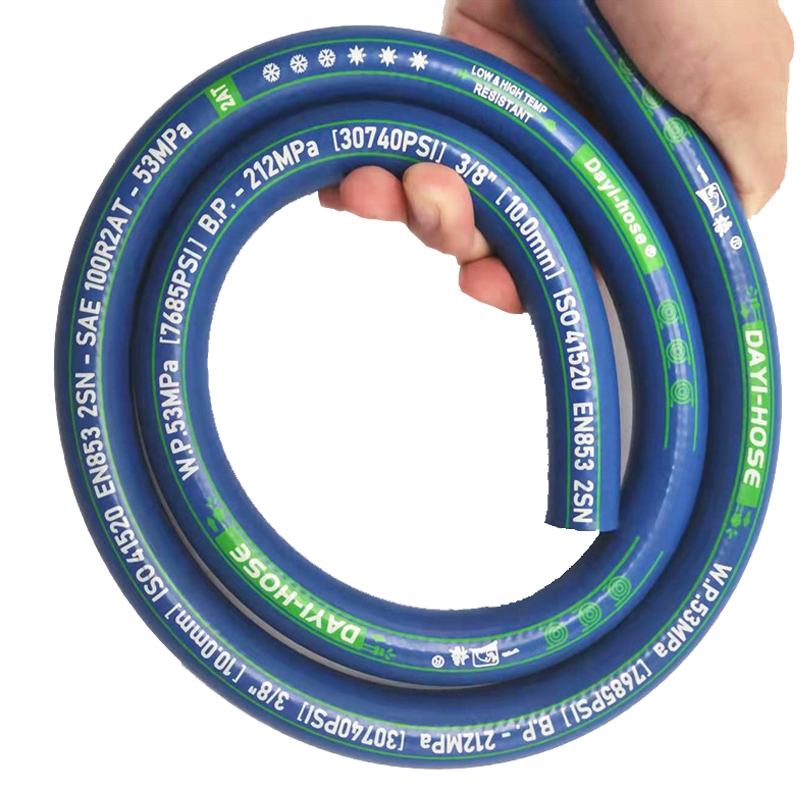
High-pressure car wash hoses, sourced from manufacturers in China, represent a critical component within the automotive service industry. These hoses facilitate the delivery of water, often mixed with detergents and cleaning agents, at substantial pressures to remove contaminants from vehicle surfaces. Their technical position resides within the broader fluid transfer systems sector, specifically tailored for intermittent, high-pressure applications. Core performance characteristics include burst pressure, working pressure, temperature resistance, and chemical compatibility. The industry currently faces challenges related to maintaining consistent material quality, ensuring adherence to international safety standards, and optimizing hose longevity against abrasive wear and chemical degradation. Chinese suppliers have become significant players due to competitive pricing and increasing manufacturing capabilities, but quality control and consistent adherence to demanding performance benchmarks remain key concerns for international buyers.
Material Science & Manufacturing
The dominant material used in high-pressure car wash hoses is thermoplastic polyurethane (TPU). TPU offers a superior combination of flexibility, abrasion resistance, and resistance to oils and greases compared to standard PVC. Reinforcement is typically achieved through a high-tensile strength synthetic fiber braid, commonly polyester or nylon, embedded within the TPU matrix. The quality of the TPU compound directly impacts the hose’s flexibility at low temperatures and its resistance to cracking under stress. Manufacturing processes typically involve extrusion of the TPU material over the braided reinforcement. Critical parameters during extrusion include die temperature, screw speed, and cooling rate, all of which affect the uniformity of the wall thickness and the adhesion between the TPU and the reinforcement. Post-extrusion, hoses undergo pressure testing to verify burst strength. Quality control at the raw material stage is paramount; inconsistencies in TPU molecular weight or fiber denier can lead to premature failure. Some manufacturers incorporate anti-kink collars, typically made of polypropylene, to prevent hose collapse and maintain flow. The choice of plasticizer within the TPU compound also significantly influences performance – phthalate-free plasticizers are increasingly preferred due to environmental and health concerns. The braiding process requires precise tension control to ensure consistent reinforcement throughout the hose length; uneven braiding leads to localized weak points and potential failure.
Performance & Engineering
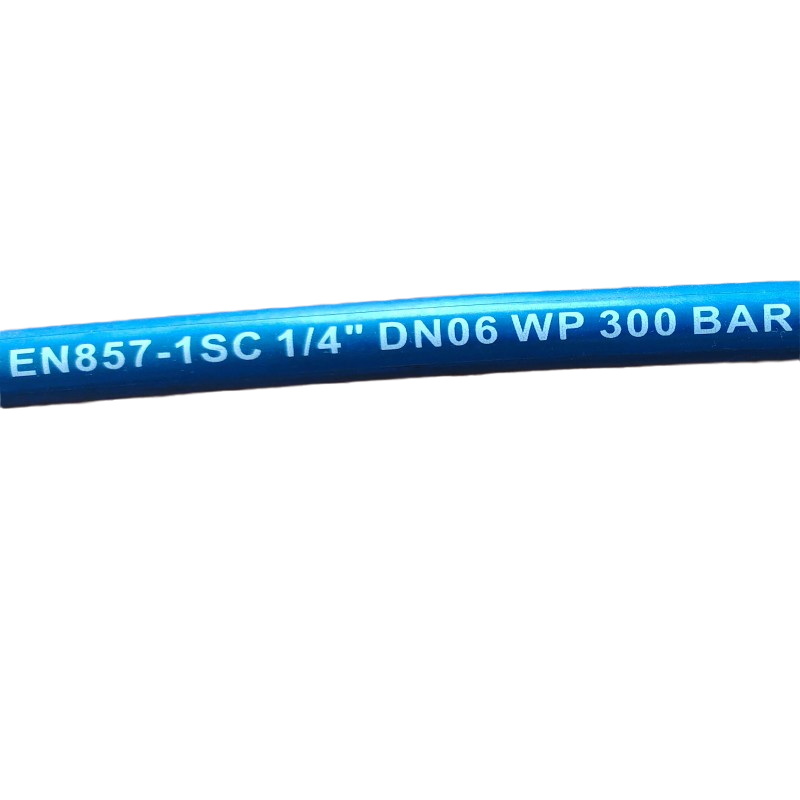
Performance of car wash hoses is fundamentally governed by internal pressure and external stresses. Burst pressure, typically measured in MPa or PSI, represents the maximum pressure the hose can withstand before catastrophic failure. Working pressure is significantly lower, usually 3-5 times lower than burst pressure, and defines the safe operating limit. Force analysis dictates that the tensile strength of the reinforcement braid must effectively counteract the radial stresses induced by the internal pressure. Environmental resistance is critical; prolonged exposure to UV radiation, ozone, and varying temperatures can degrade the TPU material, leading to cracking and reduced flexibility. Chemical compatibility is also essential, as car wash detergents often contain aggressive surfactants and solvents. Hose assemblies must meet relevant safety standards, such as EN 12547-8 (European) or GB/T 36884 (Chinese). Engineering considerations include the hose’s bend radius; excessively sharp bends induce stress concentrations and accelerate fatigue failure. Connection fittings, typically made of brass or stainless steel, must be securely attached to the hose using crimping techniques. Improper crimping can lead to leaks or separation of the hose from the fitting. Fatigue life, the number of pressure cycles the hose can endure before failure, is a crucial performance parameter often overlooked. Understanding the dynamic loading conditions experienced during typical car wash operation is vital for predicting hose longevity.
Technical Specifications
| Parameter | Unit | Standard Specification | Typical China Supplier Offering |
|---|---|---|---|
| Working Pressure | MPa | 16-20 | 16-25 |
| Burst Pressure | MPa | 48-60 | 40-70 |
| Temperature Range | °C | -20 to +80 | -10 to +70 |
| Inner Diameter | mm | 8, 10, 12 | 6, 8, 10, 12, 14 |
| Outer Diameter | mm | 14, 16, 19 | 12, 14, 16, 19, 22 |
| Reinforcement Material | - | Polyester/Nylon Braid | Polyester/Nylon Braid |
Failure Mode & Maintenance
Common failure modes in car wash hoses include burst failure due to exceeding working pressure, cracking due to material degradation (UV, ozone, chemical attack), and separation of the hose from the fittings due to improper crimping or fatigue. Fatigue cracking typically initiates at stress concentration points, such as near the fittings or at locations of sharp bends. Delamination, the separation of the TPU from the reinforcement braid, can occur due to inadequate adhesion during manufacturing. Oxidation of the TPU material can lead to embrittlement and cracking, particularly at elevated temperatures. Abrasive wear, caused by rubbing against rough surfaces, can gradually thin the hose wall, eventually leading to failure. Maintenance recommendations include regular visual inspection for cracks, abrasions, and leaks. Hoses should be replaced immediately if any signs of damage are observed. Avoid exceeding the recommended working pressure and protect the hose from prolonged exposure to direct sunlight and harsh chemicals. Proper storage is crucial; hoses should be coiled loosely and stored in a cool, dry place away from ozone sources. Regularly inspect crimped fittings for corrosion or loosening and retighten or replace as needed. Implement a preventative maintenance schedule including periodic pressure testing to identify hoses nearing the end of their service life.
Industry FAQ
Q: What is the significance of the reinforcement braid material (polyester vs. nylon) in terms of performance?
A: Nylon offers higher tensile strength and abrasion resistance compared to polyester, resulting in a more durable hose with a longer fatigue life. However, nylon is also more expensive and absorbs more moisture, potentially affecting dimensional stability. Polyester provides a cost-effective alternative with good overall performance, suitable for less demanding applications.
Q: How does the quality of TPU affect the hose's cold weather flexibility?
A: TPU compounds with lower glass transition temperatures (Tg) remain flexible at lower temperatures. Cheaper TPU formulations often have higher Tg values, leading to stiffening and increased risk of cracking in cold environments. Look for TPU formulations specifically designed for low-temperature applications.
Q: What are the common causes of fitting failure and how can they be prevented?
A: Common causes include improper crimping (insufficient or excessive force), corrosion of the fitting material, and fatigue failure due to repeated pressure cycling. Prevention involves using calibrated crimping tools, selecting corrosion-resistant fitting materials (e.g., stainless steel), and ensuring proper fitting installation.
Q: How important is UV resistance in car wash hose applications?
A: UV resistance is crucial, as car wash hoses are frequently exposed to sunlight. Prolonged UV exposure degrades the TPU material, leading to cracking and reduced flexibility. Choose hoses formulated with UV stabilizers and consider using hose covers or storing hoses indoors when not in use.
Q: What is the typical service life of a high-pressure car wash hose?
A: The service life depends on usage frequency, operating pressure, environmental conditions, and maintenance practices. Under normal conditions, a high-quality hose can last 2-5 years. However, frequent use at high pressures or exposure to harsh chemicals can significantly reduce its lifespan.
Conclusion
High-pressure car wash hoses represent a complex interplay of material science, manufacturing precision, and engineering design. Selecting a suitable hose requires careful consideration of working pressure, temperature range, chemical compatibility, and environmental factors. Chinese suppliers offer a competitive landscape, but rigorous quality control and adherence to international standards are paramount to ensure product reliability and safety.
Future developments in car wash hose technology will likely focus on the development of more durable and chemically resistant TPU formulations, improved reinforcement materials, and smart hose designs incorporating sensors for real-time pressure monitoring and leak detection. Prioritizing preventative maintenance and adhering to manufacturer recommendations will remain critical for maximizing hose longevity and minimizing operational downtime.