
Apr . 01, 2024 17:55 Back to list
china car washer hose manufacturers Performance Analysis
Introduction
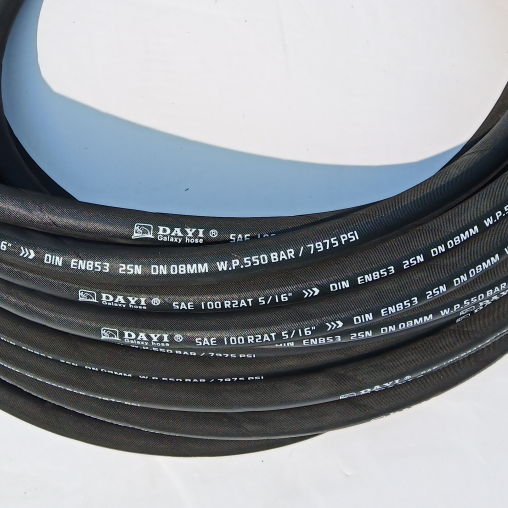
High-pressure car wash hoses manufactured in China represent a significant segment of the global automotive aftermarket. These hoses, crucial components in both professional car wash facilities and consumer-grade pressure washers, facilitate the delivery of water at elevated pressures to effectively remove dirt and debris from vehicle surfaces. Positioned within the broader fluid transfer industry, these hoses demand specific material properties and manufacturing techniques to ensure durability, safety, and operational efficiency. Core performance characteristics center around burst pressure, working pressure, temperature resistance, and resistance to chemical degradation from common cleaning agents. The increasing demand for efficient car washing solutions, coupled with China’s manufacturing capabilities, has driven substantial growth in this sector. This guide provides a comprehensive technical overview of these hoses, encompassing material science, manufacturing processes, performance parameters, failure modes, and relevant industry standards.
Material Science & Manufacturing
The predominant material used in car wash hose construction is thermoplastic polyurethane (TPU) and reinforced polyvinyl chloride (PVC). TPU offers superior abrasion resistance and flexibility at low temperatures, while PVC provides a cost-effective solution with reasonable performance characteristics. Reinforcement layers are critical to withstanding high pressures and typically consist of high-tensile strength polyester or nylon braiding. The manufacturing process begins with the extrusion of the inner and outer hose layers. Precise control of extrusion temperature, screw speed, and die design are essential to ensure consistent wall thickness and dimensional accuracy. Following extrusion, the reinforcement braid is applied using automated braiding machines. The braiding angle and yarn tension directly impact the hose's burst pressure. After braiding, the hose undergoes curing, a process where the thermoplastic material is heated to induce crosslinking, enhancing its mechanical properties and temperature resistance. Finally, the hose is fitted with couplings (typically brass or stainless steel) using a crimping process. Crimp pressure is a critical parameter; insufficient crimping leads to leakage, while excessive crimping can damage the hose material. Quality control throughout the process involves dimensional checks, pressure testing (hydrostatic testing), and visual inspection for defects. The choice between TPU and PVC, braid material, and coupling material is driven by the target price point and performance requirements.

Performance & Engineering
Car wash hoses are subjected to significant stress during operation, primarily internal pressure and external bending. Force analysis dictates that the reinforcement layer bears the brunt of the tensile stress generated by internal pressure. Hose diameter and wall thickness are engineered to optimize the stress distribution. Fatigue analysis is crucial, as the hose undergoes cyclical pressure fluctuations during each use. Environmental resistance is another critical factor. Prolonged exposure to UV radiation can cause polymer degradation, leading to embrittlement and reduced burst pressure. Exposure to common car wash detergents and cleaning agents necessitates the use of materials with high chemical resistance. Compliance requirements vary depending on the target market. European standards (EN 856) specify minimum requirements for burst pressure, working pressure, and aging resistance. North American standards (SAE J517) address similar performance parameters. Additionally, hoses intended for potable water applications must comply with relevant regulations regarding lead content and material safety (e.g., NSF/ANSI 61). The coupling design must also withstand the high pressures and frequent connections/disconnections. Thread integrity and corrosion resistance are paramount.
Technical Specifications
| Parameter | Unit | Typical Value (TPU Hose) | Typical Value (PVC Hose) |
|---|---|---|---|
| Working Pressure | MPa | 20 | 15 |
| Burst Pressure | MPa | 60 | 45 |
| Tensile Strength (Reinforcement) | N/mm² | 1500 | 1200 |
| Elongation at Break | % | 300 | 250 |
| Temperature Range | °C | -40 to +80 | -20 to +60 |
| Diameter | mm | 1/4", 3/8", 1/2" | 1/4", 3/8", 1/2" |
Failure Mode & Maintenance
Common failure modes for car wash hoses include burst failure due to exceeding the working pressure, fatigue cracking from cyclical pressure loading, and delamination of the reinforcement braid. Abrasion damage can occur from rubbing against abrasive surfaces. Chemical degradation can lead to loss of flexibility and increased susceptibility to cracking. Oxidation, particularly in PVC hoses, can result in embrittlement. Failure analysis typically involves visual inspection for cracks, bulges, or delamination. Hydrostatic testing can be used to identify hoses with compromised burst pressure. Preventative maintenance involves regular visual inspection, proper storage (avoiding direct sunlight and extreme temperatures), and flushing the hose to remove debris. Damaged hoses should be replaced immediately. Avoid kinking the hose sharply, as this can create stress concentrations and accelerate fatigue failure. Ensure that couplings are securely tightened and free from corrosion. For TPU hoses, periodic application of a UV protectant can extend their service life. Proper handling and storage are crucial to maximizing the lifespan and ensuring the safe operation of car wash hoses.
Industry FAQ
Q: What is the primary difference between a TPU and a PVC car wash hose, and when would I choose one over the other?
A: TPU hoses offer superior abrasion resistance, flexibility at low temperatures, and generally higher burst pressures compared to PVC hoses. However, they are more expensive. Choose TPU when operating in colder climates, frequently encountering abrasive surfaces, or requiring higher performance levels. PVC hoses are a more cost-effective option for general-purpose car washing where extreme conditions are not present.
Q: How important is the reinforcement braid in a car wash hose, and what materials are typically used?
A: The reinforcement braid is critical for withstanding the high internal pressures. It bears the tensile load and prevents hose bursting. Polyester and nylon are the most common materials, with nylon generally offering higher tensile strength. The braiding angle and yarn tension are key parameters affecting performance.
Q: What causes a car wash hose to burst, and how can this be prevented?
A: Bursting typically occurs due to exceeding the working pressure, fatigue failure from cyclical loading, or a pre-existing defect in the hose material. Prevention involves using a hose rated for the pressure of the washer, avoiding excessive pressure, regular inspection for damage, and proper maintenance.
Q: How do I determine the correct hose diameter for my pressure washer?
A: The hose diameter should match the inlet and outlet connections of the pressure washer and the spray gun. Using an incorrect diameter can reduce water flow and pressure, impacting cleaning performance. Consult the pressure washer's manual for the recommended hose size.
Q: What is hydrostatic testing, and why is it important for car wash hoses?
A: Hydrostatic testing involves pressurizing the hose with water to a specified pressure (typically 1.5 times the working pressure) and holding it for a defined period to check for leaks or deformation. It's a critical quality control measure to verify the hose’s burst strength and identify any manufacturing defects.
Conclusion
China-manufactured car wash hoses have become integral to the automotive detailing industry, offering a balance of performance and cost-effectiveness. Understanding the material science, manufacturing nuances, and performance characteristics – specifically burst pressure, temperature resistance, and chemical compatibility – is crucial for selecting the appropriate hose for a given application. Effective maintenance practices, including regular inspection and proper storage, significantly extend the hose’s service life and ensure operational safety.
Future development in this sector will likely focus on incorporating advanced materials, such as thermoplastic elastomers (TPEs) with enhanced UV resistance and improved flexibility, and optimizing manufacturing processes to reduce costs and improve quality control. Continued adherence to international standards and stringent testing protocols will be paramount to maintaining the reliability and safety of these essential components.