
Apr . 01, 2024 17:55 Back to list
china car washer hose factories Performance Analysis
Introduction
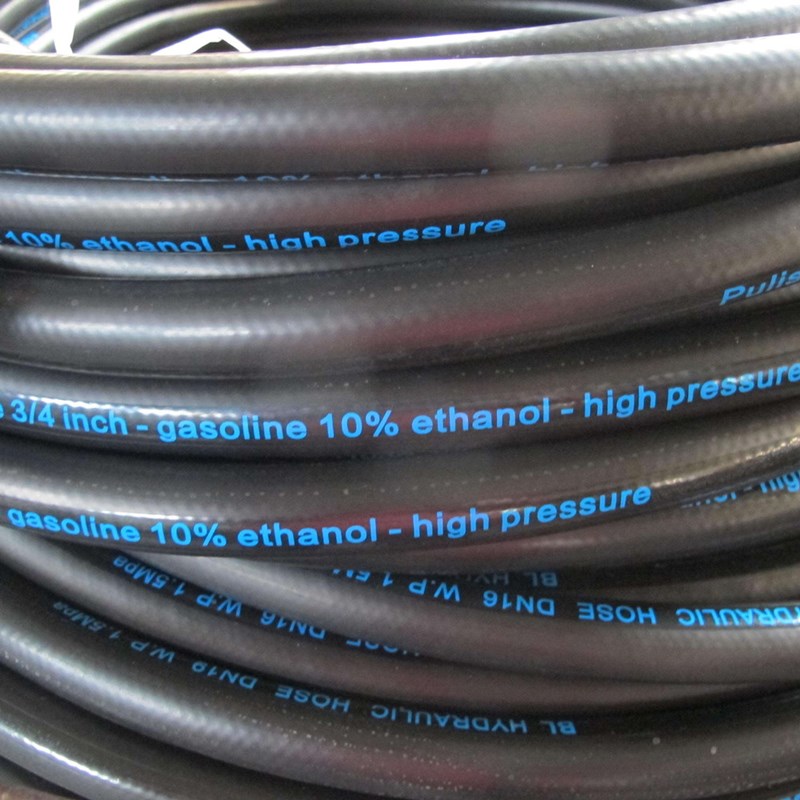
Automotive high-pressure car wash hoses represent a critical component in vehicle cleaning systems, evolving from simple rubber tubing to engineered products designed for durability, chemical resistance, and efficient water delivery. China has emerged as a significant global manufacturer of these hoses, catering to both domestic and international automotive markets. These hoses are typically reinforced thermoplastic or rubber constructions, designed to withstand high internal pressures (typically exceeding 200 bar/2900 psi) and repeated flexing without failure. Their position in the supply chain is intermediate, serving car wash equipment manufacturers, automotive detailing businesses, and end-consumer aftermarket retailers. Core performance characteristics center around burst pressure, kink resistance, operating temperature range, and resistance to common cleaning agents and abrasives. A significant industry pain point revolves around consistently achieving high levels of dimensional accuracy and material consistency across large production volumes, particularly given varying raw material qualities and stringent safety regulations.
Material Science & Manufacturing
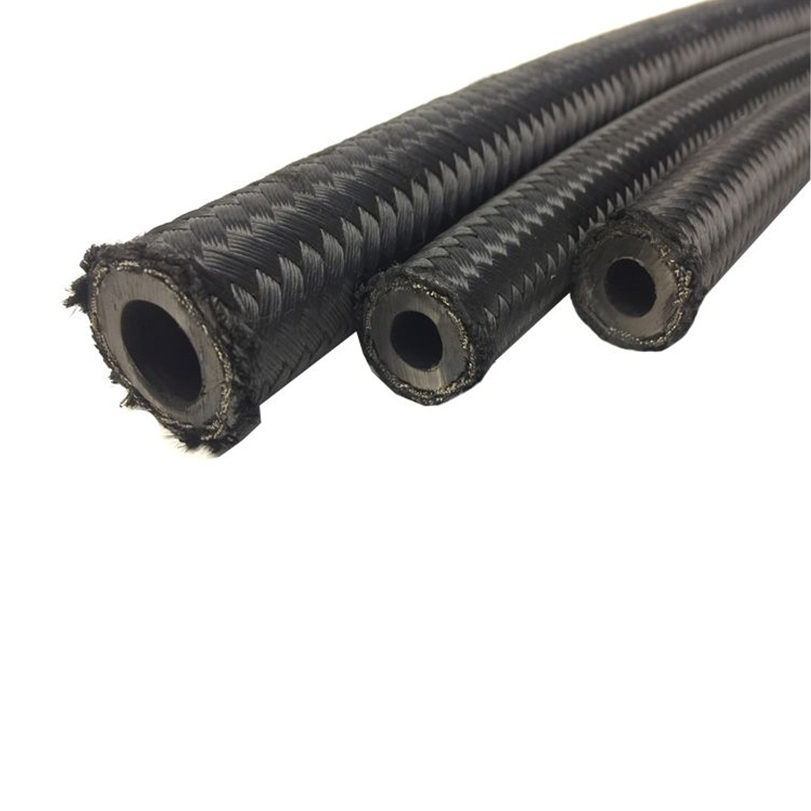
The predominant materials used in car wash hose construction are thermoplastic polyurethanes (TPU), polyvinyl chloride (PVC), and various rubber compounds, including nitrile rubber (NBR) and ethylene propylene diene monomer (EPDM). TPU offers excellent abrasion resistance, flexibility at low temperatures, and good chemical resistance. PVC provides cost-effectiveness and reasonable durability, often used in inner lining layers. NBR offers oil resistance, essential for compatibility with certain cleaning solutions, while EPDM excels in ozone and weathering resistance. Reinforcement materials typically include high-tensile strength textile braiding (polyester or nylon) or spiraled high-tensile steel wire.
Manufacturing processes generally involve extrusion, braiding/spiraling, and vulcanization (for rubber compounds). Extrusion forms the inner and outer layers of the hose. Braiding or spiraling adds reinforcement to withstand high pressure. Vulcanization, a chemical process involving cross-linking polymer chains, enhances the rubber's elasticity, strength, and temperature resistance. Key parameter control during extrusion includes maintaining consistent melt temperature, die pressure, and pull rate to ensure uniform wall thickness and diameter. Braiding tension and angle are critical for preventing hose distortion and failure under pressure. Vulcanization requires precise temperature and time control to optimize material properties without causing degradation. Quality control at each stage involves dimensional checks, pressure testing, and material property analysis (tensile strength, elongation, hardness).
Performance & Engineering
Car wash hoses are subjected to significant stresses during operation, primarily internal pressure, bending stress from coiling and uncoiling, and external abrasion. Force analysis dictates that reinforcement layers must adequately resist hoop stress generated by internal pressure to prevent burst failure. Bending radius significantly impacts hose lifespan; excessive bending can lead to fatigue cracking in the reinforcement layers. Environmental resistance is critical, including exposure to UV radiation, ozone, and a wide range of cleaning chemicals (alkaline detergents, solvents, waxes). Compliance requirements vary by region, often adhering to standards set by automotive industry organizations (SAE International) and regulatory bodies. Functional implementation requires consideration of hose length, diameter, and connector compatibility. Kink resistance is a key design consideration; internal anti-kink coils or specialized hose constructions are often employed to prevent flow obstruction. The operating temperature range must accommodate both hot and cold water applications, typically from 0°C to 60°C (32°F to 140°F).
Technical Specifications
| Parameter | Unit | Typical Value (China Manufactured Hose) | Testing Standard |
|---|---|---|---|
| Burst Pressure | Bar | 300 - 400 | SAE J30R9 |
| Working Pressure | Bar | 200 - 300 | SAE J30R9 |
| Tensile Strength (Reinforcement) | MPa | 1500 - 2000 | ASTM D790 |
| Elongation at Break (Hose Material) | % | 300 - 500 | ASTM D412 |
| Operating Temperature Range | °C | -40 to +80 | SAE J30R9 |
| Inner Diameter | mm | 8 - 12 | Customer Specification |
Failure Mode & Maintenance
Common failure modes include burst failure due to exceeding pressure limits, fatigue cracking in the reinforcement layers from repeated bending, and degradation of the hose material from chemical exposure or UV radiation. Burst failure typically occurs suddenly, releasing a large volume of water. Fatigue cracking often initiates at stress concentration points (e.g., near connectors) and propagates gradually, leading to leaks. Chemical degradation manifests as swelling, cracking, or loss of flexibility. Oxidation can lead to hardening and brittleness, particularly in rubber compounds.
Preventative maintenance includes regular visual inspection for signs of cracking, abrasion, or swelling. Hoses should be replaced if any damage is observed. Avoid exceeding the maximum working pressure. Store hoses out of direct sunlight and away from harsh chemicals. Rinse the hose with clean water after each use to remove residual cleaning agents. Periodic leak testing is recommended. For rubber hoses, applying a silicone-based lubricant can help prevent drying and cracking. If fatigue cracking is suspected, discontinue use and replace the hose immediately. Avoid sharp bends or kinks during storage and use.
Industry FAQ
Q: What is the primary difference between a single-wire and a multi-wire reinforced car wash hose in terms of durability?
A: Multi-wire reinforced hoses generally exhibit superior burst strength and resistance to kinking compared to single-wire designs. The distribution of stress across multiple wires provides a more robust construction, reducing the likelihood of localized failure. Single-wire hoses are typically more flexible, but less resistant to high pressures and repeated bending.
Q: How does the chemical resistance of TPU compare to PVC in a car wash application?
A: TPU generally exhibits broader chemical resistance than PVC, particularly against oils, solvents, and aggressive detergents commonly used in car washes. PVC can become brittle and crack when exposed to certain chemicals, while TPU maintains its flexibility and integrity for a longer period.
Q: What are the key factors to consider when selecting a hose diameter for a specific car wash application?
A: Hose diameter influences water flow rate and pressure drop. A larger diameter reduces pressure drop, allowing for more efficient water delivery, but may also increase hose weight and cost. The choice depends on the car wash system's pump capacity, nozzle requirements, and desired cleaning performance. Proper sizing ensures optimal water flow without excessive pressure loss.
Q: What role does the braiding angle play in the performance of a textile-reinforced hose?
A: The braiding angle significantly impacts the hose's resistance to axial stretching and bursting. A smaller angle provides greater resistance to stretching but can reduce flexibility. A larger angle offers greater flexibility but may compromise burst strength. Optimal braiding angle is a balance between these two factors, tailored to the hose's intended application.
Q: How can I verify that a car wash hose meets relevant safety standards?
A: Look for hoses that are certified to relevant standards such as SAE J30R9 (for hydraulic hoses) or equivalent regional standards. Certification markings indicate that the hose has been tested and verified to meet specific performance requirements. Request test reports from the manufacturer to confirm compliance.
Conclusion
The manufacturing of high-pressure car wash hoses, particularly from Chinese factories, is a complex interplay of material science, precise manufacturing processes, and stringent quality control. Achieving consistent performance requires careful selection of materials (TPU, PVC, NBR, EPDM), precise control of extrusion and reinforcement parameters, and adherence to international safety standards. Addressing industry pain points regarding dimensional accuracy and material consistency is crucial for maintaining competitiveness and ensuring product reliability.
Looking forward, advancements in hose materials (e.g., bio-based polymers) and manufacturing techniques (e.g., automated braiding) will likely drive further improvements in performance and sustainability. Emphasis on lifecycle assessment and environmentally responsible manufacturing practices will become increasingly important. Continued innovation in hose design and materials will be key to meeting the evolving demands of the automotive car wash industry.