
Apr . 01, 2024 17:55 Back to list
china black wire braid hydraulic hose manufacturers Performance Analysis

Introduction
Black wire braid hydraulic hose, manufactured extensively in China, constitutes a critical component in fluid power systems across numerous industries, including construction, agriculture, mining, and material handling. These hoses are engineered to transmit hydraulic fluid under significant pressure, facilitating the operation of hydraulic machinery. Their construction, typically involving an inner tube of synthetic rubber, multiple layers of high-tensile wire braiding for reinforcement, and an outer cover for environmental protection, dictates their performance characteristics. The Chinese manufacturing sector has become a dominant force in this market due to cost-effectiveness and increasing capabilities in producing hoses meeting international standards. Key performance indicators center around burst pressure, working pressure, temperature range, and fluid compatibility, representing critical factors for system reliability and safety. A major industry pain point revolves around consistently achieving and verifying these specifications, particularly regarding wire braid density and rubber compound consistency, influencing hose lifespan and resistance to failure.
Material Science & Manufacturing
The core materials used in black wire braid hydraulic hose production directly influence performance. The inner tube is commonly constructed from synthetic rubbers like Nitrile (NBR) for oil resistance, Ethylene Propylene Diene Monomer (EPDM) for water and phosphate ester fluid compatibility, or Chloroprene (CR) for a balance of properties. NBR, offering superior oil resistance, is prevalent in most industrial applications. The wire braid reinforcement typically utilizes high-strength steel wire, often carbon steel, selected for its tensile strength and fatigue resistance. Surface treatments, such as galvanization or phosphating, are applied to the wire to enhance corrosion protection. The outer cover is generally composed of Chloroprene rubber (CR) due to its resistance to abrasion, ozone, and weathering. Manufacturing processes involve several key stages. The inner tube is extruded, followed by the application of adhesive layers to ensure bonding with the reinforcement. The steel wire braid is then helically wound around the inner tube using precision braiding machines. The braid angle and wire density are critical parameters controlling burst pressure. Finally, the outer cover is extruded, and the hose is subjected to curing (vulcanization) to crosslink the rubber compounds, imparting elasticity and durability. Critical parameter control involves maintaining consistent rubber compound ratios, controlling extrusion temperatures and pressures, and ensuring accurate braid winding tension. Variations in these parameters can lead to defects such as porosity, uneven braid distribution, and reduced burst strength.
Performance & Engineering
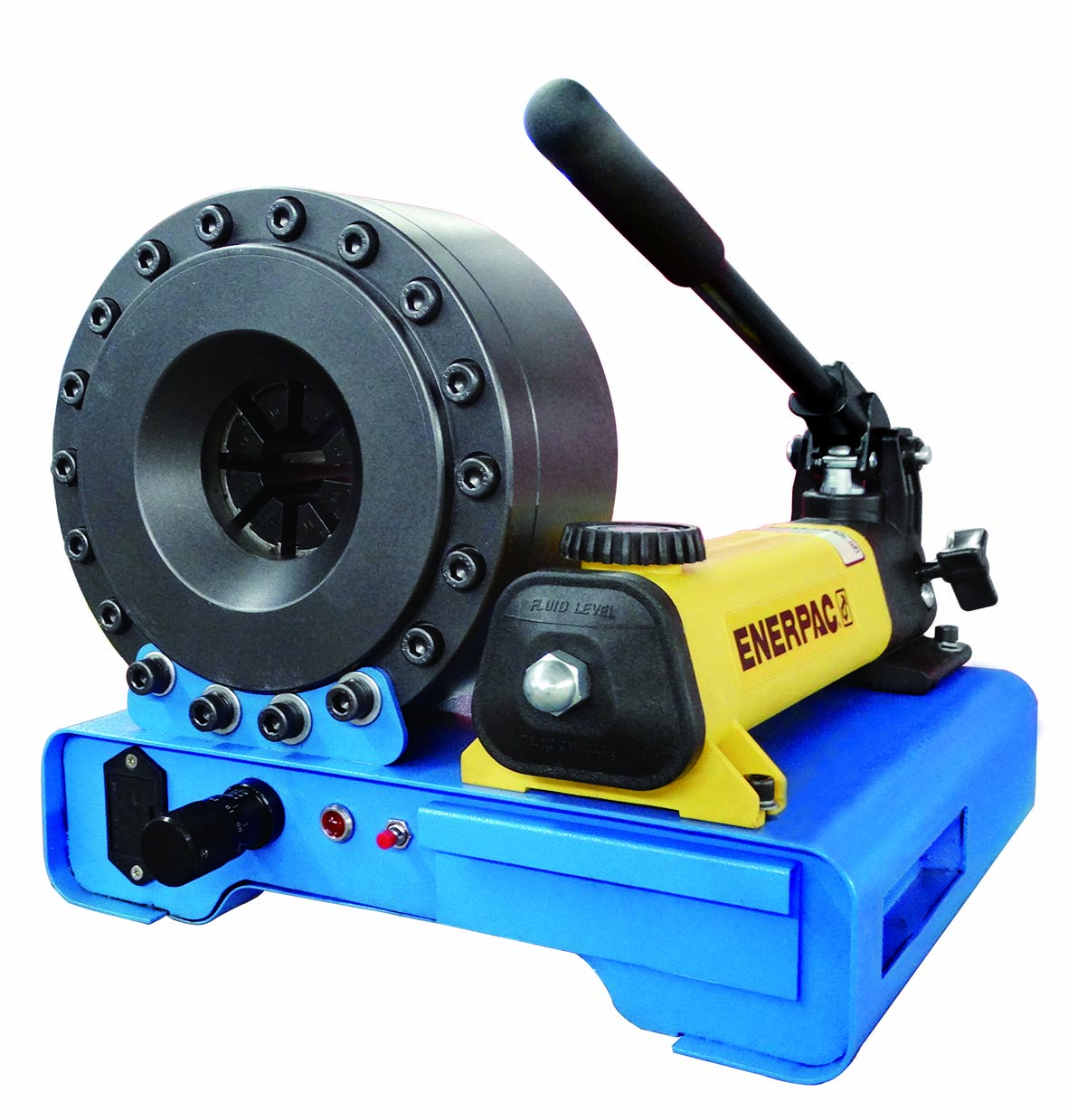
The performance of black wire braid hydraulic hose is governed by several engineering principles. Burst pressure is determined by the tensile strength of the wire braid and the adhesion between the braid and the rubber matrix, calculated using Barlow’s formula, modified to account for multiple braid layers. Working pressure is typically a fraction (safety factor, often 4:1) of the burst pressure, defining the safe operating limit. Environmental resistance is critical; prolonged exposure to extreme temperatures, UV radiation, and corrosive fluids can degrade the rubber compounds, reducing flexibility and increasing the risk of cracking. Fatigue life, determined by cyclic pressure testing, is another vital performance metric, especially in applications involving frequent start/stop cycles. Hose end connections significantly impact performance; improper crimping can lead to leakage or premature failure. Compliance with industry standards, such as SAE J517 (USA) and EN 853 (Europe), necessitates rigorous testing for pressure, temperature, and fluid compatibility. A core industry challenge lies in balancing cost with performance. Manufacturers must optimize material selection and manufacturing processes to achieve the required performance characteristics while remaining competitive in the global market. Finite element analysis (FEA) is increasingly used to simulate hose behavior under various loading conditions, optimizing design and predicting failure modes.
Technical Specifications
| Parameter | Unit | SAE J517 (Typical) | EN 853 (Typical) |
|---|---|---|---|
| Working Pressure | MPa | Up to 35 | Up to 31.5 |
| Burst Pressure | MPa | >140 | >126 |
| Temperature Range | °C | -40 to +100 | -40 to +100 |
| Inner Tube Material | - | NBR, EPDM, CR | NBR, EPDM, CR |
| Reinforcement | Layers | 1-6 (Wire Braid) | 1-6 (Wire Braid) |
| Outer Cover Material | - | CR | CR |
Failure Mode & Maintenance
Black wire braid hydraulic hoses are susceptible to several failure modes. Fatigue cracking, initiated by repeated pressure cycles, typically occurs in the wire braid or at hose end connections. Delamination, the separation of the rubber layers from the reinforcement, can result from poor adhesion or exposure to aggressive fluids. Abrasion, caused by external contact with abrasive surfaces, can wear through the outer cover, exposing the reinforcement to corrosion. Oxidation and ozone cracking, particularly in the outer cover, lead to brittleness and cracking. Internal degradation of the rubber compounds can occur due to chemical attack or exceeding temperature limits, reducing flexibility and increasing the risk of rupture. Proper maintenance is crucial for maximizing hose lifespan. Regular visual inspections should be conducted to identify signs of wear, cracking, or leakage. Hoses should be protected from abrasion and excessive heat. Fluid compatibility should be verified to prevent internal degradation. Hoses should be replaced at regular intervals, even if no visible defects are present, based on operating conditions and manufacturer recommendations. Correct installation and crimping procedures are essential to prevent premature failure at the hose ends. Implementing a hose management program, including detailed record-keeping and preventative maintenance schedules, can significantly reduce downtime and enhance safety.
Industry FAQ
Q: What is the impact of varying wire braid density on hose performance?
A: Increasing wire braid density directly correlates with increased burst pressure and kink resistance. Higher density provides greater tensile strength, enabling the hose to withstand higher pressures without failure. However, it also increases hose stiffness and weight, potentially making installation more challenging. Finding the optimal density involves balancing pressure requirements with flexibility and handling considerations.
Q: How does fluid compatibility affect the lifespan of a hydraulic hose?
A: Incorrect fluid compatibility can lead to significant degradation of the inner tube material. For example, using petroleum-based fluids in a hose designed for phosphate ester fluids will cause swelling, softening, and ultimately, failure. Selecting the appropriate rubber compound (NBR, EPDM, CR) based on the fluid being conveyed is crucial for ensuring long-term performance and preventing leaks.
Q: What are the primary causes of hose end failure?
A: Hose end failures are often attributed to improper crimping, leading to a loose or damaged connection. Using incorrect crimp specifications or worn crimping tools can compromise the integrity of the connection. Corrosion at the fitting interface can also contribute to failure, particularly in harsh environments. Additionally, excessive bending or twisting near the hose end can stress the connection and accelerate wear.
Q: What is the significance of the safety factor in determining working pressure?
A: The safety factor (typically 4:1) represents the ratio between the burst pressure and the working pressure. It provides a margin of safety to account for pressure surges, temperature fluctuations, and material degradation over time. A higher safety factor indicates a more conservative design and increased reliability, although it may also result in a lower working pressure for a given hose construction.
Q: What testing procedures are commonly used to verify hose quality and performance?
A: Common testing procedures include burst pressure testing, impulse pressure testing (to simulate cyclic loading), leak testing, and temperature cycling. Fluid compatibility testing assesses the resistance of the inner tube material to specific fluids. Dimensional inspections verify that the hose meets specified dimensions. These tests are typically conducted in accordance with industry standards such as SAE J517 and EN 853.
Conclusion
Black wire braid hydraulic hose remains a foundational element in countless hydraulic systems. Its performance is intimately linked to material selection, meticulous manufacturing processes, and adherence to rigorous industry standards. The continued dominance of Chinese manufacturers in this sector is driven by a combination of cost-effectiveness and evolving technical capabilities. However, maintaining consistent quality and achieving verifiable compliance with international regulations remain paramount challenges.
Future trends will likely focus on the development of lighter-weight, higher-strength materials, such as synthetic fiber reinforcement alternatives to steel wire, and the implementation of advanced monitoring technologies to predict hose failure and optimize maintenance schedules. Enhanced focus on sustainable manufacturing practices and environmentally friendly materials will also become increasingly important considerations for hydraulic hose manufacturers and end-users alike.