
Apr . 01, 2024 17:55 Back to list
china best price hydraulic hose manufacturers Performance Analysis
Introduction
Hydraulic hoses, critical components in fluid power systems, transmit hydraulic fluid to actuators and other components. The global market for hydraulic hoses is driven by demand from industries such as construction, agriculture, mining, manufacturing, and automotive. China has emerged as a leading manufacturer and exporter of hydraulic hoses, particularly within the “best price” segment, focusing on competitive production costs and increasingly, improved quality. These hoses facilitate the transmission of power in heavy machinery, offering solutions for varying pressure, temperature, and fluid compatibility requirements. The technical position of these hoses within the industry chain lies between raw material suppliers (rubber, steel, synthetic fibers) and the end-users of hydraulic equipment. Core performance characteristics include pressure rating, burst pressure, temperature range, fluid resistance, and abrasion resistance. A key industry pain point centers around maintaining consistent quality across varying price points, particularly with increasing global demand and stringent safety regulations.
Material Science & Manufacturing
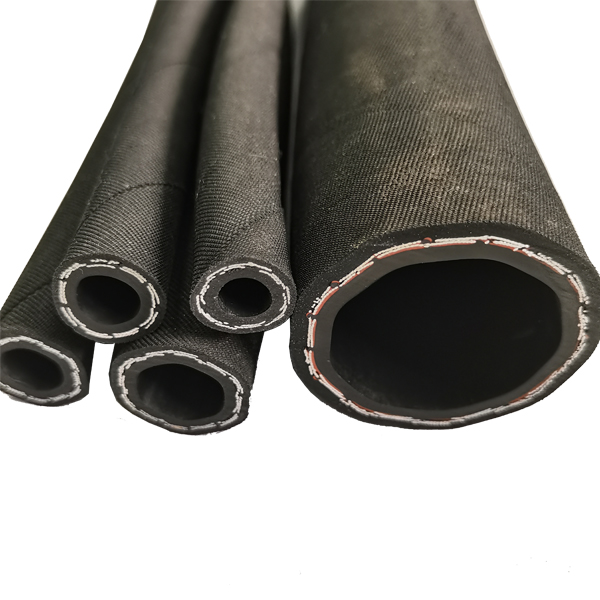
Hydraulic hose construction typically involves several layers. The inner tube, which comes into direct contact with the fluid, is commonly made of synthetic rubber compounds like nitrile rubber (NBR), ethylene propylene diene monomer (EPDM), or fluorocarbon rubber (FKM) based on fluid compatibility requirements. NBR offers excellent resistance to petroleum-based fluids, EPDM excels with phosphate ester fluids, and FKM provides superior resistance to high temperatures and aggressive chemicals. Reinforcement layers are crucial for withstanding internal pressure. These layers are often comprised of high-tensile steel wire, spirally wound or braided, providing hoop strength. Synthetic fiber braiding, such as polyester or nylon, is sometimes used for added flexibility and kink resistance. The outer cover protects the reinforcement from environmental damage (abrasion, ozone, UV radiation) and is generally made of synthetic rubber like chloroprene rubber (CR). Manufacturing processes vary. High-pressure hoses often utilize a spiraling process where steel wire is precisely wound around a mandrel, followed by rubber extrusion and curing. Braided hoses involve interlacing steel wires before rubber extrusion. Precise control of curing temperature, pressure, and time is critical for achieving optimal rubber vulcanization and ensuring hose integrity. The steel wire surface treatment (zinc coating, epoxy coating) is critical for preventing corrosion and improving adhesion with the rubber matrix. Batch consistency is paramount, requiring rigorous statistical process control (SPC).
Performance & Engineering
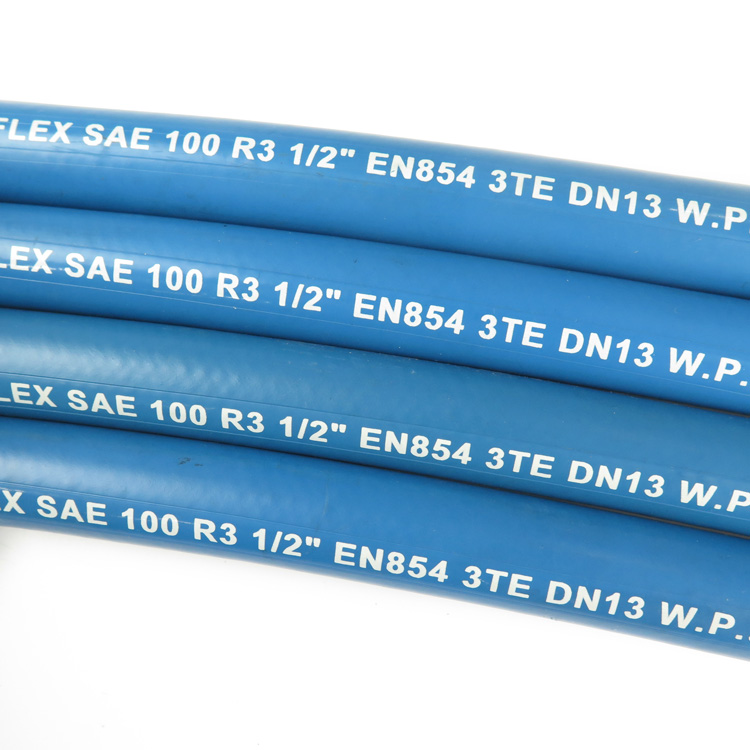
Hydraulic hose performance is fundamentally governed by stress analysis under internal pressure. The hoop stress (σ) in the hose wall is determined by the formula σ = (P r) / t, where P is the internal pressure, r is the inner radius, and t is the wall thickness. Engineers carefully select reinforcement materials and hose dimensions to maintain an adequate safety factor, typically 4:1 (burst pressure is four times the working pressure). Environmental resistance is a critical consideration. Exposure to extreme temperatures can degrade rubber compounds, affecting flexibility and tensile strength. UV radiation and ozone can cause cracking and surface deterioration, especially in the outer cover. Fluid compatibility is also crucial; incompatible fluids can cause swelling, softening, or dissolution of the inner tube. Compliance requirements vary by region. In Europe, hoses must comply with EN 853, which specifies performance characteristics and testing procedures. In the US, SAE J517 standard governs hose construction and performance. Finite Element Analysis (FEA) is often used during the design phase to simulate stress distribution, predict failure modes, and optimize hose geometry. Flexibility and bend radius are important parameters, particularly in applications with tight routing. Excessive bending can lead to fatigue failure of the reinforcement layers.
Technical Specifications
| Parameter | Unit | Typical Value (Low-Pressure) | Typical Value (High-Pressure) |
|---|---|---|---|
| Working Pressure | MPa | 1.0 | 35 |
| Burst Pressure | MPa | 3.0 | 105 |
| Temperature Range | °C | -40 to +100 | -40 to +120 |
| Inner Tube Material | - | NBR | FKM |
| Reinforcement | - | Textile Braid (1SP) | Spiral Steel Wire (4SP) |
| Outer Cover Material | - | CR | CR |
Failure Mode & Maintenance
Common failure modes in hydraulic hoses include burst failure due to exceeding pressure limits, pinhole leaks due to inner tube degradation, and separation of layers due to fatigue or improper bonding. Fatigue cracking is often initiated at points of high stress concentration, such as hose fittings or areas subjected to repeated bending. Abrasion damage to the outer cover can expose the reinforcement layers to corrosion. Internal corrosion can occur if the hose is exposed to moisture and incompatible fluids. Oxidation of rubber compounds can lead to hardening and cracking. Maintenance practices are critical for extending hose life. Regular visual inspections should be conducted to check for signs of damage (cracks, abrasions, leaks). Hoses should be replaced if they exhibit any signs of deterioration. Proper hose routing and support are essential to prevent excessive bending and abrasion. Using the correct hose fittings and torquing them to the manufacturer’s specifications is crucial for preventing leaks. Regularly flushing the hydraulic system to remove contaminants can also extend hose life. Proper storage conditions (cool, dry, and dark) are important to prevent premature aging of hoses.
Industry FAQ
Q: What is the significance of the 'spiral' versus 'braided' reinforcement construction in hydraulic hoses?
A: Spiral reinforcement, typically utilizing high-tensile steel wire wound around the inner tube, provides superior pressure handling capability and resistance to kinking compared to braided reinforcement. Braided hoses, utilizing interwoven steel wires, offer greater flexibility and are generally suitable for lower-pressure applications. The choice depends on the application’s pressure requirements and routing constraints.
Q: How do different hydraulic fluids impact the selection of inner tube material?
A: Different fluids require specific inner tube materials for compatibility. Petroleum-based fluids generally work well with NBR, while phosphate ester fluids necessitate EPDM. Aggressive chemicals and high temperatures demand FKM, as it provides exceptional chemical resistance and thermal stability. Incompatibility can lead to swelling, softening, or degradation of the inner tube, resulting in leaks and failure.
Q: What are the common causes of hose fatigue failure?
A: Fatigue failure is often caused by repeated flexing, pulsing pressure, and abrasion. Improper hose routing, excessive bending radius, and exposure to vibration can accelerate fatigue. Using hoses with inadequate reinforcement for the application’s pressure and duty cycle also contributes to fatigue.
Q: What is the role of hose fittings in ensuring long-term reliability?
A: Hose fittings are critical for creating a leak-proof seal and transmitting hydraulic force. Using the correct fittings (size, thread type, material) is essential. Properly torquing the fittings to the manufacturer’s specifications prevents loosening and leaks. Fittings should also be inspected regularly for corrosion or damage.
Q: How important is surface treatment of the steel wire reinforcement, and what are the common methods used?
A: Surface treatment is vital for enhancing adhesion between the steel wire reinforcement and the surrounding rubber matrix, preventing corrosion, and increasing fatigue life. Common methods include zinc plating (for corrosion resistance) and epoxy coating (for improved adhesion and corrosion protection). Proper surface preparation prior to coating is crucial for optimal performance.
Conclusion
Hydraulic hoses are essential components in a wide range of industrial applications, demanding a careful balance between performance, reliability, and cost. China's position as a major manufacturer necessitates a focus on consistent quality control and adherence to international standards. Understanding the material science, manufacturing processes, and potential failure modes of hydraulic hoses is critical for selecting the appropriate hose for a given application and ensuring its long-term performance.
Looking forward, advancements in material science, such as the development of new rubber compounds with improved temperature and chemical resistance, will continue to drive innovation in hydraulic hose technology. Furthermore, increasing emphasis on sustainable materials and manufacturing processes will shape the future of the industry. By prioritizing quality, compliance, and technological advancement, manufacturers can address the evolving needs of the global hydraulic hose market.