
Apr . 01, 2024 17:55 Back to list
china best price hydraulic hose factories Performance Analysis
Introduction
Hydraulic hoses manufactured in China represent a significant portion of the global supply chain, particularly in the cost-competitive segment. These hoses are critical components in a wide range of applications, including construction equipment, agricultural machinery, industrial manufacturing, and automotive systems. Their function is to transmit hydraulic fluid under pressure to power actuators, motors, and other hydraulic systems. The “best price” designation signifies a focus on cost-effectiveness, often achieved through economies of scale and optimized manufacturing processes. However, understanding the technical nuances of these hoses – beyond just price – is crucial for ensuring reliable performance and operational safety. This guide provides an in-depth examination of the materials, manufacturing, performance characteristics, failure modes, and industry standards associated with Chinese-manufactured hydraulic hoses, aimed at procurement managers, engineers, and maintenance personnel. A primary pain point in the industry is balancing cost savings with the assurance of quality and longevity, and mitigating the risks associated with inferior materials or manufacturing defects.
Material Science & Manufacturing
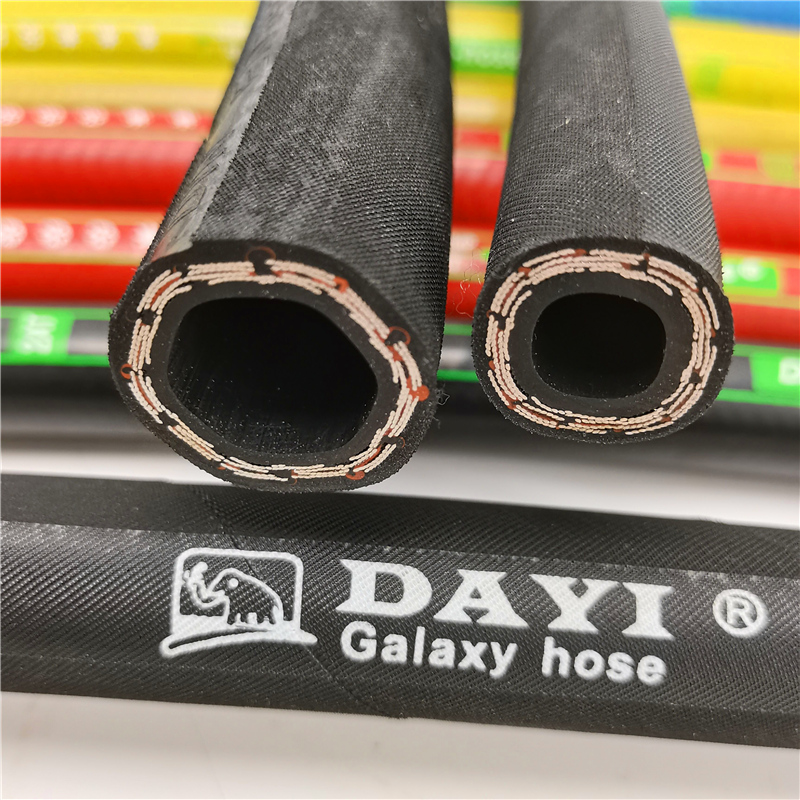
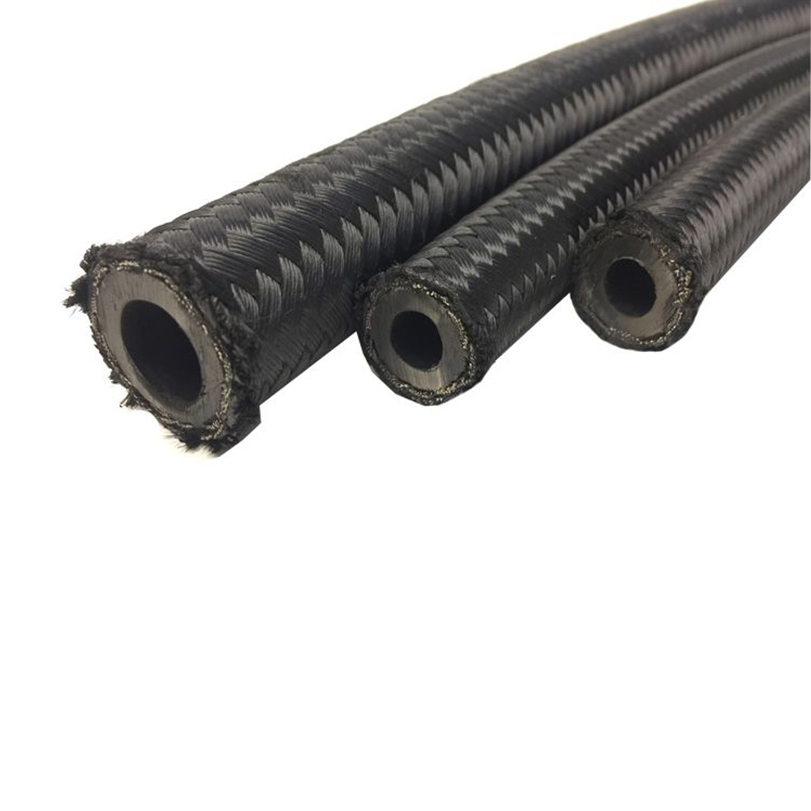
The core materials in hydraulic hose construction dictate its performance characteristics. The inner tube, responsible for fluid containment, is commonly made from Nitrile Rubber (NBR), also known as Buna-N, due to its excellent resistance to petroleum-based hydraulic fluids. However, varying applications necessitate alternative materials such as Ethylene Propylene Diene Monomer (EPDM) for phosphate ester fluids, or Fluorocarbon (FKM/Viton) for high-temperature and aggressive chemical environments. Reinforcement layers provide the hose’s pressure resistance. Historically, these were constructed from textile braids (typically polyester or nylon) but are increasingly utilizing steel wire (single or multiple spiral layers) for higher pressure capacity. The outer cover, providing environmental protection and abrasion resistance, is typically made of Chloroprene Rubber (CR) or NBR.
Manufacturing processes begin with the extrusion of the inner tube and outer cover. Precise temperature and die control are critical to ensure consistent wall thickness and dimensional accuracy. Reinforcement braiding or spiraling is a complex process requiring synchronized tension control to avoid voids or inconsistencies. The hose assembly involves precise layering of these components followed by vulcanization, a chemical process using heat and pressure to cross-link the rubber polymers, enhancing their strength, elasticity, and resistance to degradation. Key parameters controlled during vulcanization include temperature, pressure, and cure time. Improper control can lead to under-curing (resulting in reduced strength) or over-curing (causing brittleness). Chinese manufacturers often utilize continuous vulcanization processes for high-volume production, requiring sophisticated monitoring and control systems to maintain quality. Further processing includes end fitting attachment (crimping or swaging), which must be performed with calibrated tooling and rigorously inspected to ensure a secure and leak-proof connection.
Performance & Engineering
Hydraulic hose performance is fundamentally governed by its ability to withstand internal pressure without failure. This is determined by the reinforcement layer’s strength and construction, impacting the hose’s Working Pressure (WP) and Burst Pressure (BP). WP is the maximum pressure the hose can safely handle in continuous operation, typically expressed in PSI or MPa. BP is the pressure at which the hose will rupture, and is usually 4:1 or higher relative to WP. Beyond pressure, critical performance characteristics include temperature range, fluid compatibility, and bend radius. Operating outside the specified temperature range can cause rubber hardening or softening, leading to cracking and leakage. Fluid incompatibility can cause swelling, degradation, or loss of elasticity. A tight bend radius can cause kinking, restricting fluid flow and creating stress concentrations that accelerate fatigue failure.
Engineering considerations also encompass external factors such as abrasion, ozone exposure, and UV degradation. The outer cover material plays a crucial role in resisting these environmental threats. Hose assemblies are subjected to rigorous testing procedures including pressure testing, impulse testing (simulating pressure pulsations), and bend testing. Finite Element Analysis (FEA) is increasingly used to optimize hose design and predict stress distributions under various operating conditions. Compliance requirements, such as those stipulated by SAE (Society of Automotive Engineers) standards, dictate minimum performance criteria and testing protocols. A significant challenge for manufacturers is maintaining consistent performance across large production volumes while adhering to strict quality control standards.
Technical Specifications
| Parameter | Unit | Typical Value (NBR Inner, Steel Wire Spiral, CR Cover) | Typical Value (EPDM Inner, Steel Wire Spiral, CR Cover) |
|---|---|---|---|
| Working Pressure | PSI | 4500 | 3000 |
| Burst Pressure | PSI | 18000 | 12000 |
| Temperature Range | °F | -40 to 212 | -40 to 250 |
| Inner Diameter | inch | 0.5 - 2.0 | 0.5 - 2.0 |
| Outer Diameter | inch | 0.75 - 2.5 | 0.75 - 2.5 |
| Minimum Bend Radius | inch | 6 | 8 |
Failure Mode & Maintenance
Hydraulic hose failure can occur through various mechanisms. Fatigue cracking, often initiated at stress concentration points (e.g., end fitting crimps or sharp bends), is a common failure mode resulting from repeated pressure cycling. Abrasion damage to the outer cover can expose the reinforcement layers to corrosion, compromising its integrity. Internal degradation of the inner tube due to fluid incompatibility or chemical attack can cause swelling, softening, and eventual leakage. Oxidation and UV degradation can embrittle the rubber materials, leading to cracking. Improper installation, such as over-tightening end fittings or exceeding the minimum bend radius, can induce stress and accelerate failure.
Preventive maintenance is crucial for extending hose life. Regular visual inspections should be conducted to identify signs of abrasion, cracking, swelling, or leakage. Hose assemblies should be replaced if any damage is detected. Proper routing and support are essential to prevent excessive bending and abrasion. Fluid cleanliness is paramount; contaminants can act as abrasives and accelerate internal degradation. Periodic fluid analysis can identify potential compatibility issues. When replacing hoses, always use fittings specifically designed for the hose type and operating pressure. Proper crimping or swaging is critical to ensure a secure and leak-proof connection. Following a strict maintenance schedule based on operating conditions and hose usage is key to minimizing downtime and preventing catastrophic failures.
Industry FAQ
Q: What is the typical lead time for a large order of custom-sized hydraulic hoses from a Chinese manufacturer?
A: Lead times can vary significantly depending on the complexity of the order, the volume, and the manufacturer’s current production schedule. For standard hose sizes and materials, lead times might be 2-4 weeks. However, for custom sizes, specialized materials (e.g., FKM), or large orders requiring significant tooling changes, lead times can extend to 6-12 weeks or longer. It's crucial to clearly communicate your requirements and obtain a firm quote and delivery schedule from the supplier.
Q: How do Chinese hydraulic hose manufacturers typically handle quality control and traceability?
A: Reputable Chinese manufacturers are increasingly implementing robust quality control systems, often certified to ISO 9001 standards. This typically involves in-process inspection, final inspection, and pressure testing. Traceability is often achieved through batch numbering and record-keeping of raw material origins and manufacturing parameters. However, the level of quality control and traceability can vary significantly between manufacturers. Third-party inspection services are often used by buyers to independently verify quality.
Q: What is the typical lifespan of a hydraulic hose operating in a demanding industrial environment (e.g., construction equipment)?
A: The lifespan of a hydraulic hose is highly dependent on operating conditions. In a demanding industrial environment, a typical lifespan might range from 1 to 3 years. Factors such as pressure cycling, temperature extremes, exposure to abrasive materials, and fluid contamination can significantly reduce lifespan. Regular inspection and preventative maintenance are critical for maximizing hose life.
Q: Are there significant differences in the cost of hydraulic hoses made from different materials (e.g., NBR vs. EPDM vs. FKM)?
A: Yes, there are substantial cost differences. NBR is the most cost-effective option, followed by EPDM. FKM (Viton) is significantly more expensive due to the higher cost of the raw material and the more complex manufacturing processes required. The choice of material should be based on the specific application requirements and fluid compatibility, balancing performance with cost considerations.
Q: What import duties and taxes should I anticipate when importing hydraulic hoses from China?
A: Import duties and taxes vary depending on the specific HS code of the hydraulic hose and the importing country's regulations. Typically, you will encounter import duties, Value Added Tax (VAT), and potentially other taxes or fees. It's essential to consult with a customs broker or import specialist to determine the exact duties and taxes applicable to your shipment.
Conclusion
China remains a dominant force in the global hydraulic hose market, offering competitive pricing and increasingly sophisticated manufacturing capabilities. However, navigating this landscape requires a deep understanding of material science, manufacturing processes, performance characteristics, and potential failure modes. Procurement decisions should not solely focus on price but must prioritize quality, reliability, and compliance with industry standards. A proactive approach to quality control, coupled with a robust maintenance program, is essential for maximizing hose life and minimizing operational risks.
Looking ahead, advancements in hose technology, such as the development of new rubber compounds and reinforcement materials, will continue to improve performance and durability. Furthermore, the increasing adoption of Industry 4.0 technologies in Chinese manufacturing will likely enhance quality control and traceability. Successful sourcing of hydraulic hoses from China demands a strategic partnership with reputable manufacturers who demonstrate a commitment to quality, innovation, and customer satisfaction.