
Apr . 01, 2024 17:55 Back to list
china best price high pressure hydraulic hose manufacturers Performance Analysis
Introduction
High-pressure hydraulic hose, manufactured extensively in China, represents a critical component within fluid power systems across a diverse range of industries, including construction, agriculture, mining, and manufacturing. These hoses facilitate the transmission of hydraulic fluid to actuators and motors, enabling the operation of heavy machinery and complex industrial processes. The competitive landscape, driven by cost efficiency, has positioned Chinese manufacturers as significant global suppliers. This guide details the material science, manufacturing processes, performance characteristics, potential failure modes, and relevant industry standards pertaining to these hoses, providing a comprehensive understanding for procurement managers, engineers, and maintenance personnel. Core performance is defined by working pressure, burst pressure, temperature range, and fluid compatibility, all essential parameters impacting operational safety and longevity. A key industry pain point is balancing cost with guaranteed performance and longevity, often requiring rigorous quality control and material verification.
Material Science & Manufacturing
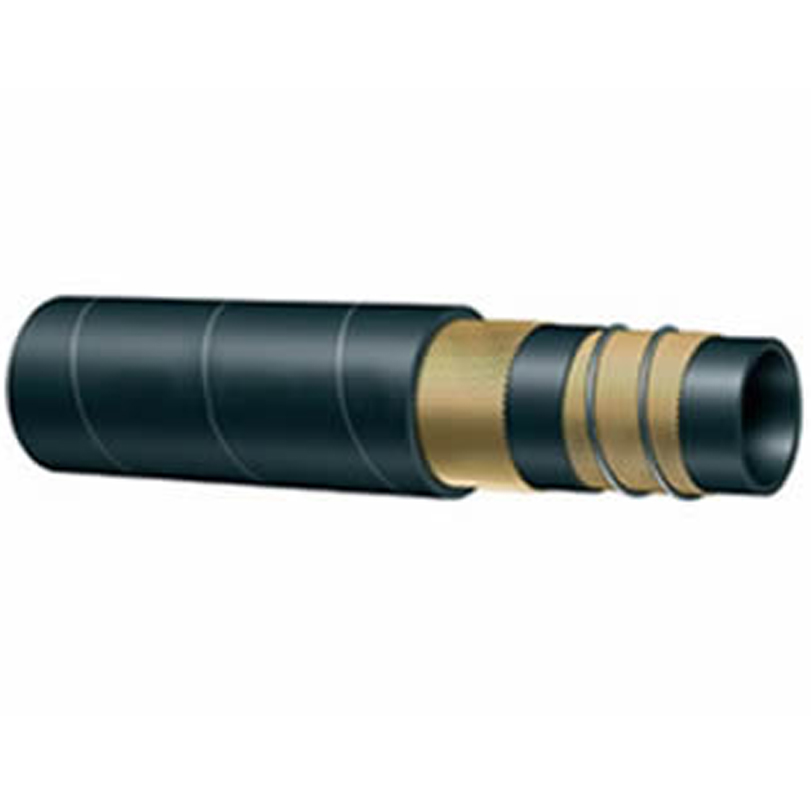
The construction of high-pressure hydraulic hose fundamentally relies on the interplay of several materials. The inner tube, typically composed of oil-resistant synthetic rubber such as nitrile (NBR), chloroprene (CR), or ethylene propylene diene monomer (EPDM), provides a fluid barrier. NBR is commonly used for petroleum-based fluids, CR offers improved ozone and weather resistance, while EPDM excels in phosphate ester fluid compatibility. Reinforcement layers are crucial for withstanding high pressures; these commonly consist of multiple plies of high-tensile steel wire, spiraled or braided. The number and configuration of these layers directly dictate the hose’s working and burst pressures. An exterior cover, generally constructed from a synthetic rubber compound like polyurethane (PU) or chlorosulfonated polyethylene (CSM – Hypalon), protects the reinforcement layers from abrasion, weathering, and chemical attack.
Manufacturing involves several key processes. The inner tube is extruded, followed by the application of reinforcement layers, which are typically wound or braided onto the tube. This is often performed using automated winding machines to ensure consistent tension and precise layer placement. The hose is then cured in a vulcanization process, heating the rubber compounds to induce cross-linking and achieve desired mechanical properties. Following curing, the outer cover is extruded and bonded to the reinforcement layers. Critical parameters during manufacturing include rubber compound formulation, wire tension during reinforcement application, curing temperature and duration, and dimensional control to ensure consistent inner diameter and wall thickness. Quality control measures, including burst pressure testing, impulse testing, and leak testing, are vital to verify conformance to industry specifications.
Performance & Engineering
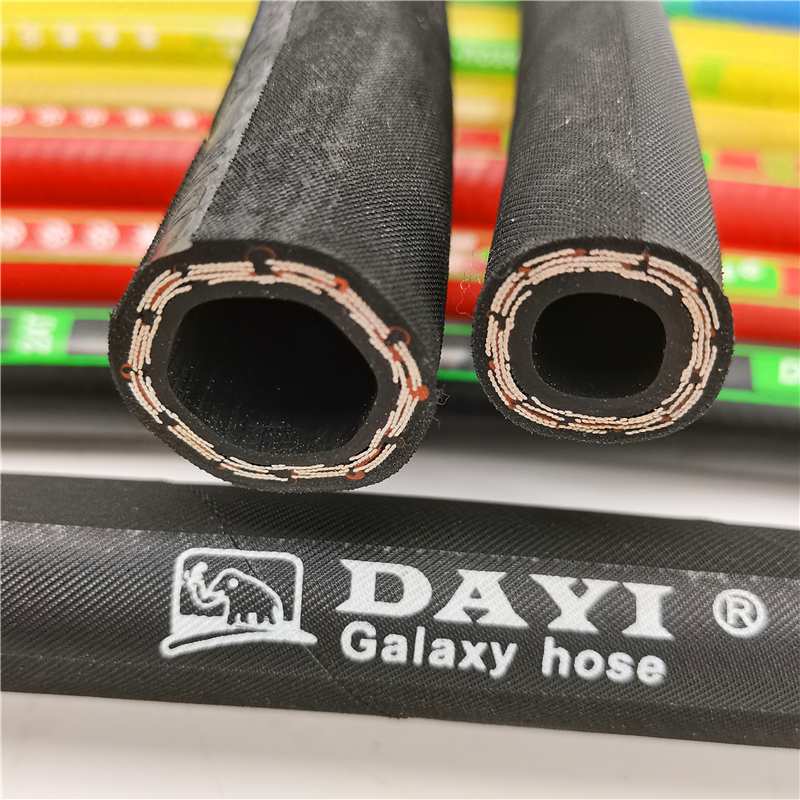
The performance of a hydraulic hose is dictated by its ability to withstand internal pressure, external damage, and environmental factors. Force analysis centers around hoop stress within the hose wall, calculated using the Barlow formula (σ = PD/2t, where σ is hoop stress, P is internal pressure, D is inner diameter, and t is wall thickness). The reinforcement layers are engineered to manage this stress and prevent hose failure. Fatigue analysis is critical, particularly in applications with pulsating pressures, as repeated stress cycles can lead to fatigue cracking. Impulse testing simulates these conditions, assessing the hose's resistance to rapid pressure fluctuations.
Environmental resistance is paramount. Exposure to high temperatures can degrade rubber compounds, reducing their flexibility and strength. Low temperatures can lead to brittleness and cracking. Chemical exposure, particularly to incompatible fluids, can cause swelling, softening, or deterioration of the inner tube. Hydraulic hoses must also comply with relevant safety standards, such as those established by the Society of Automotive Engineers (SAE) and the International Organization for Standardization (ISO). These standards specify minimum burst pressures, working pressures, temperature ranges, and fluid compatibility requirements. Furthermore, consideration must be given to bend radius; exceeding the minimum bend radius can induce stress concentrations and reduce hose life. Proper hose routing and support are crucial to prevent kinking and abrasion.
Technical Specifications
| Parameter | Unit | SAE 100R2AT | SAE 100R6 |
|---|---|---|---|
| Working Pressure | MPa | 31.5 | 21 |
| Burst Pressure | MPa | 105 | 63 |
| Temperature Range | °C | -40 to +100 | -40 to +85 |
| Inner Tube | Material | NBR | NBR |
| Reinforcement | Material | 2AT Spiral Wire | 6 Spiral Wire |
| Cover | Material | Polyurethane | Neoprene |
Failure Mode & Maintenance
Hydraulic hose failure can manifest in several forms. Fatigue cracking, initiated by repeated stress cycles, typically originates in the reinforcement layers and propagates through the rubber matrix. Abrasion, caused by external contact with abrasive surfaces, can damage the cover and expose the reinforcement, leading to corrosion and eventual failure. Ozone cracking, prevalent in outdoor applications, results from ozone attack on unsaturated rubber compounds, causing surface cracking and loss of flexibility. Pinholes, often caused by corrosion of the reinforcement wires, allow fluid leakage and can lead to catastrophic failure. Internal degradation, resulting from fluid incompatibility or contamination, can cause swelling, softening, or erosion of the inner tube.
Preventive maintenance is crucial for maximizing hose life. Regular visual inspections should be conducted to identify signs of abrasion, cracking, or swelling. Hose routing should be checked to ensure proper support and prevent kinking. Fluid cleanliness should be maintained to minimize internal degradation. When replacing hoses, it is essential to use hoses with the correct specifications for the application, including working pressure, temperature range, and fluid compatibility. Proper crimping of hose ends is also critical to ensure a secure and leak-free connection. Damaged hoses should be replaced immediately; do not attempt to repair a damaged hose. Record keeping of hose replacement dates and maintenance activities is highly recommended.
Industry FAQ
Q: What is the impact of exceeding the minimum bend radius on hose lifespan?
A: Exceeding the minimum bend radius induces localized stress concentrations within the hose wall, particularly in the reinforcement layers. This significantly accelerates fatigue cracking and reduces the overall lifespan of the hose. Repeated bending below the specified radius will quickly lead to failure.
Q: How does fluid contamination affect hydraulic hose performance?
A: Fluid contamination, including particulate matter and water, acts as an abrasive agent, accelerating wear on the inner tube and internal components. Water can also cause corrosion of the reinforcement wires, leading to pinholes and leakage. Maintaining fluid cleanliness is vital for extending hose life.
Q: What is the difference between spiral and braided reinforcement?
A: Spiral reinforcement, typically utilizing a single wire wound at an angle, provides higher flexibility and is suitable for applications requiring tight bends. Braided reinforcement, utilizing multiple wires interwoven, offers greater resistance to pressure and kinking. The choice depends on the application’s specific requirements.
Q: What are the key considerations when selecting a hose cover material?
A: The cover material should be resistant to abrasion, weathering, ozone, and chemical attack. Polyurethane (PU) offers excellent abrasion resistance, while chlorosulfonated polyethylene (CSM – Hypalon) provides superior weather and ozone resistance. The selection depends on the hose’s operating environment.
Q: What is the importance of proper hose end crimping?
A: Proper crimping ensures a secure and leak-free connection between the hose and the fitting. Incorrect crimping, whether too loose or too tight, can compromise the integrity of the connection and lead to premature failure. Crimping should be performed using calibrated tooling and according to manufacturer specifications.
Conclusion
High-pressure hydraulic hose performance is a complex function of material selection, manufacturing precision, and operating conditions. Understanding the interplay of these factors is paramount for ensuring the reliable and safe operation of hydraulic systems. The cost-competitive landscape of Chinese manufacturers necessitates a thorough evaluation of quality control measures and adherence to international standards.
Future trends point toward the development of more durable and chemically resistant hose materials, as well as advanced manufacturing techniques to enhance precision and consistency. Continuous monitoring of hose condition and proactive maintenance practices remain essential for maximizing lifespan and preventing costly downtime. A focus on standardized testing and certification will further contribute to improved reliability and safety within the industry.