
Apr . 01, 2024 17:55 Back to list
china best price high pressure hydraulic hose factories Performance Analysis
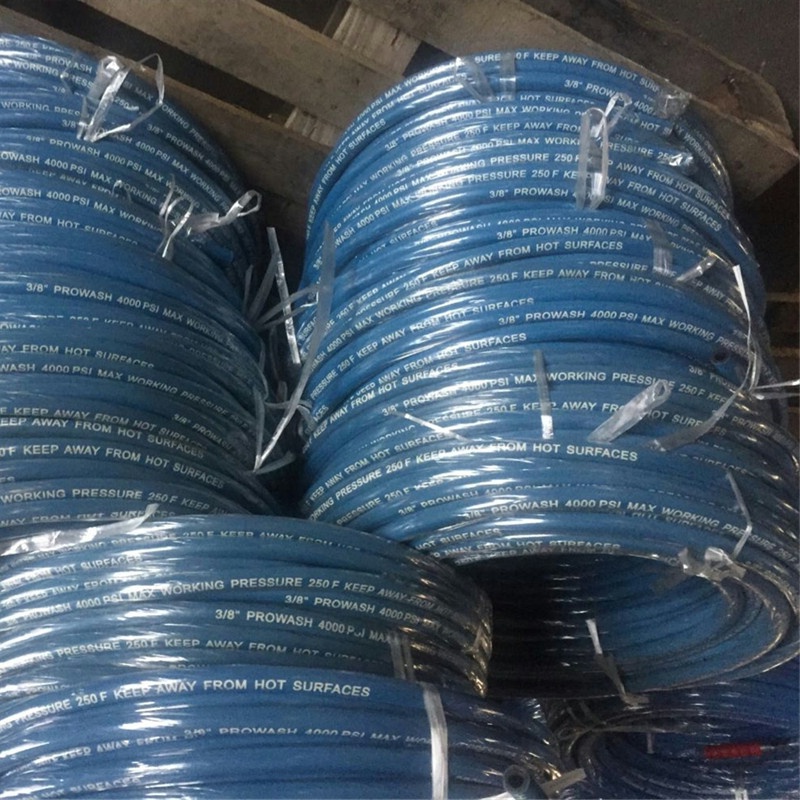
Introduction
High-pressure hydraulic hoses are critical components in fluid power systems across numerous industries, including construction, agriculture, manufacturing, and oil & gas. China has emerged as a significant global supplier of these hoses, offering competitive pricing and increasing quality. This technical guide provides an in-depth analysis of high-pressure hydraulic hoses sourced from Chinese manufacturers, focusing on material science, manufacturing processes, performance characteristics, failure modes, and relevant industry standards. These hoses transmit hydraulic fluid to actuators and other components, enabling the operation of heavy machinery and complex systems. The core performance characteristics include burst pressure, working pressure, impulse pressure resistance, and temperature range. Understanding these specifications is paramount for selecting the correct hose for a specific application and ensuring system reliability and safety. A key challenge facing end-users is verifying the consistency of quality and adherence to international standards among different Chinese manufacturers.
Material Science & Manufacturing
High-pressure hydraulic hoses are typically constructed from multiple layers, each contributing to specific performance characteristics. The inner tube, which comes into direct contact with the hydraulic fluid, is commonly made of synthetic rubber compounds such as Nitrile Rubber (NBR), Ethylene Propylene Diene Monomer (EPDM), or Fluorocarbon (FKM/Viton). NBR offers excellent resistance to petroleum-based fluids, while EPDM excels in phosphate ester-based fluids and high-temperature applications. FKM provides superior resistance to a wide range of aggressive chemicals and extreme temperatures, but at a higher cost. Reinforcement layers, providing the hose’s strength and pressure resistance, are typically composed of high-tensile steel wire, spirally wound or braided. The number of layers and the wire gauge significantly impact the hose's burst pressure. An outer cover, often made of Chloroprene Rubber (CR) or Polyurethane (PU), provides abrasion, weather, and ozone resistance. Manufacturing processes vary depending on hose type and specification. Braided hoses involve tightly interweaving individual steel wires to form a flexible, high-strength reinforcement layer. Spiraled hoses utilize a continuous, high-tensile wire wound at a precise angle to create a robust structure. Key parameters during manufacturing include wire tension, rubber curing temperature and time, and dimensional accuracy. Proper vulcanization of the rubber compounds is crucial to achieve desired mechanical properties and chemical compatibility. Quality control at each stage of manufacturing is critical to minimize defects and ensure consistent performance.

Performance & Engineering
The performance of a hydraulic hose is governed by several critical engineering principles. Burst pressure, the maximum pressure the hose can withstand before rupture, is a fundamental specification. Working pressure is typically a fraction of the burst pressure (often 1/4), representing the safe operating limit. Impulse pressure resistance, the hose’s ability to withstand pressure fluctuations or spikes, is critical in applications such as hydraulic hammers. This is assessed through fatigue testing, measuring the number of pressure cycles the hose can endure before failure. Temperature range is also a key consideration, as extreme temperatures can degrade rubber compounds and reduce hose flexibility. The hose's bend radius must be maintained within specified limits to prevent kinking and damage. Force analysis considers the tensile stress on the reinforcement layers during pressurization and bending. Finite Element Analysis (FEA) is frequently employed to optimize hose design and predict performance under various loading conditions. Compliance requirements dictate the need for adherence to safety standards, such as preventing fluid leakage and ensuring reliable operation under specified environmental conditions. Environmental resistance also includes resistance to UV degradation, ozone cracking, and chemical attack from hydraulic fluids and surrounding media. Selection must account for fluid compatibility; incompatible fluids can cause swelling, softening, or cracking of the inner tube.
Technical Specifications
| Parameter | Unit | Typical Value (DN20, 2-Wire Spiral) | Testing Standard |
|---|---|---|---|
| Working Pressure | MPa | 31.5 | SAE J517 |
| Burst Pressure | MPa | 126 | SAE J517 |
| Impulse Pressure (R12) | Cycles to Failure | 200,000 | ISO 6807 |
| Temperature Range | °C | -40 to +100 | SAE J517 |
| Inner Tube Material | - | NBR | ASTM D2000 |
| Reinforcement | - | Two Steel Wire Spiral | SAE J517 |
Failure Mode & Maintenance
Hydraulic hose failure can stem from various mechanisms. Fatigue cracking, caused by repeated flexing and pressure cycling, is a common issue. This often initiates at the inner tube/reinforcement interface or at areas of high stress concentration. Delamination, the separation of hose layers, can occur due to inadequate bonding during manufacturing or exposure to harsh chemicals. External abrasion, caused by rubbing against surrounding components, can damage the outer cover and expose the reinforcement layers. Internal degradation occurs when the hydraulic fluid contaminates and compromises the inner tube material. Oxidation of the rubber compounds due to exposure to oxygen and high temperatures can lead to hardening and cracking. Improper installation, such as exceeding the minimum bend radius or over-tightening fittings, can induce stress and premature failure. Maintenance practices include regular visual inspections for signs of wear, abrasion, or leakage. Fluid analysis is critical to detect contamination and ensure compatibility. Hose assemblies should be replaced periodically, based on manufacturer’s recommendations and operating conditions. Proper routing and support of hoses are essential to prevent excessive bending and abrasion. Regularly check fittings for tightness and corrosion. When replacing hoses, ensure that the new hose meets or exceeds the original specifications and is compatible with the hydraulic fluid.
Industry FAQ
Q: What is the primary difference between a braided and a spiral-wound hydraulic hose, and when would I choose one over the other?
A: Braided hoses offer excellent flexibility and are suitable for applications with tight bend radii and moderate pressure requirements. Spiral-wound hoses provide higher pressure capacity and superior impulse performance due to their continuous wire reinforcement. Choose spiral-wound for high-pressure, high-impulse applications like construction equipment, and braided for applications requiring greater flexibility like hydraulic tools.
Q: How does the hydraulic fluid type impact hose selection?
A: The hydraulic fluid type is paramount. Petroleum-based fluids typically require NBR inner tubes, while phosphate ester fluids demand EPDM. Aggressive fluids like synthetic esters or those containing additives often necessitate FKM/Viton for optimal chemical compatibility. Using an incompatible inner tube can lead to swelling, softening, and ultimately, hose failure.
Q: What are the common causes of hose leakage and how can they be prevented?
A: Common causes include worn or damaged seals, loose fittings, internal tube degradation, and reinforcement layer damage. Prevention involves regular inspections, proper torqueing of fittings, fluid cleanliness maintenance, and adherence to minimum bend radius specifications. Utilizing high-quality fittings and correct assembly procedures are also crucial.
Q: How can I verify the quality of a high-pressure hydraulic hose sourced from a Chinese manufacturer?
A: Request documentation verifying compliance with international standards (SAE, ISO, EN). Look for independent testing reports and certifications. Conduct your own pressure testing and visual inspections for manufacturing defects. A reputable manufacturer will readily provide detailed specifications and quality control data. Third-party inspection services can also be employed.
Q: What is the significance of the "dash size" designation for hydraulic hoses (e.g., -6, -8, -10)?
A: The dash size refers to the hose’s internal diameter in sixteenths of an inch. For example, a -6 hose has a 6/16-inch (3/8-inch) inner diameter. Selecting the correct dash size is critical to maintain proper flow rate and minimize pressure drop within the hydraulic system. Undersized hoses can restrict flow, while oversized hoses may lead to excessive pulsation and reduced system efficiency.
Conclusion
High-pressure hydraulic hoses are vital components demanding careful selection and maintenance. China has become a dominant force in hydraulic hose manufacturing, offering cost-effective solutions. However, ensuring quality and adherence to international standards is paramount. A thorough understanding of material science, manufacturing processes, performance characteristics, and potential failure modes is essential for specifying the correct hose for a given application.
Looking ahead, advancements in hose technology will focus on developing lighter-weight materials, enhancing impulse resistance, and improving chemical compatibility. Increased emphasis on predictive maintenance and condition monitoring will enable proactive identification of potential failures and minimize downtime. Continued vigilance in quality control and standardization will further solidify the position of Chinese manufacturers in the global hydraulic hose market.