
Apr . 01, 2024 17:55 Back to list
china 8mm air hose supplier Performance Analysis
Introduction
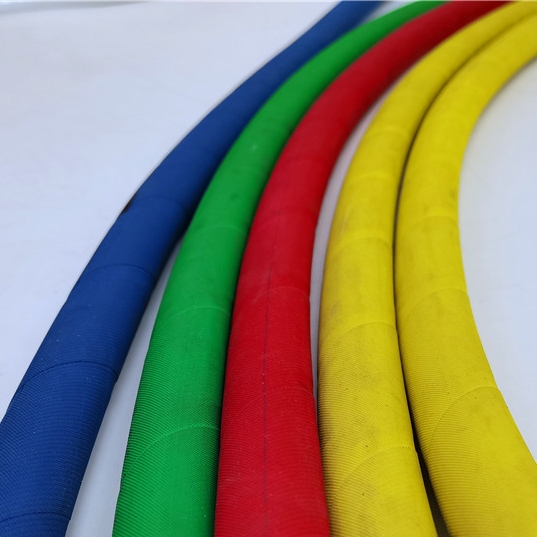
An 8mm internal diameter (ID) air hose is a fundamental component in pneumatic systems, delivering compressed air to power tools, machinery, and automated equipment. Sourced from China, these hoses represent a significant portion of the global supply chain, offering competitive pricing and increasing performance capabilities. This guide provides a comprehensive technical analysis of 8mm air hoses originating from Chinese suppliers, focusing on material composition, manufacturing processes, performance characteristics, failure modes, and relevant industry standards. The core performance metrics center around burst pressure, working pressure, flexibility, kink resistance, and resistance to abrasion and environmental factors. Understanding these characteristics is critical for procurement managers and engineers to ensure the reliability and safety of pneumatic systems in diverse industrial applications. The increasing demand for durable, lightweight, and chemically resistant hoses has driven significant innovation in Chinese manufacturing, moving beyond purely cost-competitive offerings to focus on specialized performance requirements.
Material Science & Manufacturing
The predominant material for 8mm air hoses is Polyvinyl Chloride (PVC) compounded with plasticizers, stabilizers, and reinforcing elements. PVC offers a balance of cost-effectiveness, flexibility, and resistance to many industrial chemicals. However, the quality of the PVC compound varies significantly among Chinese suppliers. Higher-grade PVC utilizes phthalate-free plasticizers to meet increasingly stringent environmental regulations (RoHS compliance). Reinforcement is typically achieved through a braided textile layer, commonly polyester or nylon, embedded within the PVC matrix. The weave density of the reinforcement directly impacts burst pressure and kink resistance. Manufacturing involves extrusion, where the PVC compound is forced through a die to form a seamless tube. The reinforcement is applied during or immediately after extrusion. Key parameters controlled during extrusion include melt temperature (typically 180-200°C), extrusion pressure, and cooling rate. Insufficient cooling can lead to dimensional instability and reduced tensile strength. Post-extrusion processes include surface treatment to enhance abrasion resistance and final quality inspection. Some manufacturers are now employing thermoplastic polyurethane (TPU) as a material offering superior abrasion resistance and low-temperature flexibility, though at a higher cost. The manufacturing process for TPU hoses often involves co-extrusion to combine TPU with a reinforcing layer.
Performance & Engineering
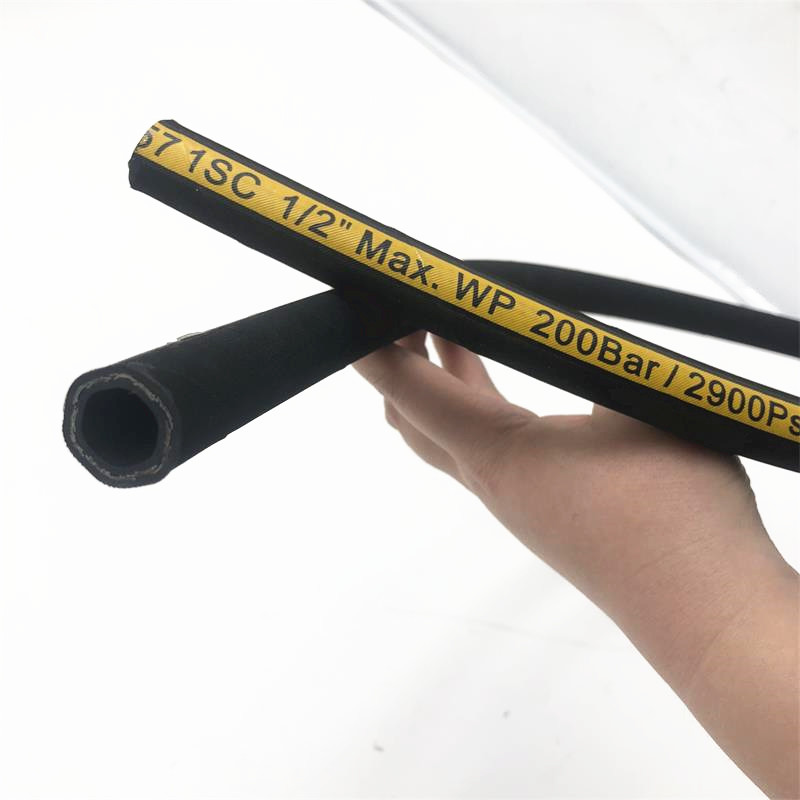
The performance of an 8mm air hose is governed by several engineering principles. Burst pressure is a critical safety parameter, determined by the tensile strength of the PVC/TPU and the integrity of the reinforcement layer. It’s calculated using hoop stress equations, considering the hose diameter and wall thickness. Working pressure is significantly lower than burst pressure, typically specified as 1/4 of the burst pressure for safety margins. Flexibility is determined by the material’s elongation at break and the hose’s bending radius. A smaller bending radius indicates greater flexibility. Kink resistance is a function of the reinforcement structure; tightly woven braids prevent collapse under compression. Environmental resistance encompasses UV stability (preventing degradation from sunlight), ozone resistance (preventing cracking in ozone-rich environments), and chemical compatibility. Exposure to oils, solvents, and hydraulic fluids can cause swelling, softening, or dissolution of the PVC. Force analysis under pressure reveals that the reinforcement layer bears the majority of the tensile load, while the PVC matrix provides containment and environmental protection. Compliance requirements include adherence to safety regulations regarding material composition (phthalate content) and performance standards (burst pressure testing).
Technical Specifications
| Parameter | PVC Hose (Standard Grade) | PVC Hose (Phthalate-Free) | TPU Hose | Unit |
|---|---|---|---|---|
| Internal Diameter | 8.0 ± 0.2 | 8.0 ± 0.2 | 8.0 ± 0.15 | mm |
| Working Pressure | 9 | 9 | 12 | bar |
| Burst Pressure | 36 | 36 | 48 | bar |
| Tensile Strength | 20 | 21 | 35 | MPa |
| Elongation at Break | 250 | 280 | 400 | % |
| Bending Radius | 60 | 60 | 40 | mm |
| Temperature Range | -10 to +60 | -10 to +60 | -40 to +80 | °C |
Failure Mode & Maintenance
Common failure modes for 8mm air hoses include burst due to exceeding the working pressure, cracking due to UV exposure or ozone attack, kinking leading to restricted flow, and abrasion causing wall thinning. Fatigue cracking can occur with repeated flexing, particularly at connection points. Chemical degradation can result in swelling, softening, and ultimately, failure. Failure analysis often reveals that burst failures originate at imperfections in the reinforcement layer. Maintenance practices should include regular visual inspection for cracks, abrasions, and kinks. Hoses should be replaced if any damage is detected. Avoid exposing hoses to extreme temperatures or harsh chemicals. Proper storage is also crucial; hoses should be stored coiled loosely in a cool, dry place, away from direct sunlight. Regularly check connections for leaks and ensure they are securely tightened. For TPU hoses, avoid contact with strong oxidizing agents. Prevent sharp bends that can contribute to fatigue failure. Implementing a preventative maintenance schedule and tracking hose lifespan are vital for ensuring safety and minimizing downtime.
Industry FAQ
Q: What is the primary difference between a standard PVC air hose and a phthalate-free PVC air hose in terms of performance?
A: The primary difference lies in the plasticizer used. Standard PVC utilizes phthalate plasticizers, offering good flexibility and cost-effectiveness. Phthalate-free PVC uses alternative plasticizers (e.g., DINCH), which are considered safer for human health and the environment. Performance-wise, phthalate-free hoses may exhibit slightly reduced flexibility at lower temperatures but maintain comparable burst pressures and tensile strengths when using high-quality formulations.
Q: How does the reinforcement material affect the burst pressure of an 8mm air hose?
A: The reinforcement material, typically polyester or nylon, carries the majority of the tensile load when the hose is pressurized. Higher weave density and greater tensile strength of the reinforcement directly translate to higher burst pressure. Nylon generally offers slightly higher tensile strength than polyester, but polyester is often more resistant to moisture. The bonding between the reinforcement and the PVC/TPU matrix is also critical; poor bonding can lead to premature failure.
Q: What are the limitations of using a standard PVC air hose in environments with exposure to oils and solvents?
A: Standard PVC is susceptible to swelling, softening, and eventual degradation when exposed to many oils, solvents, and hydraulic fluids. This can lead to reduced wall thickness, decreased burst pressure, and ultimately, hose failure. For such environments, TPU hoses are highly recommended due to their superior resistance to these chemicals.
Q: What is the recommended service life for an 8mm air hose under typical industrial conditions?
A: The recommended service life varies based on usage frequency, environmental conditions, and hose material. For standard PVC hoses, a lifespan of 1-2 years is typical with regular use. Phthalate-free PVC hoses can have a similar lifespan with proper maintenance. TPU hoses, due to their superior durability, can last 3-5 years or longer. Regular inspections are crucial to identify and replace hoses before they reach the end of their service life.
Q: How important is the 'bending radius' specification when selecting an air hose for a complex pneumatic system?
A: The bending radius is crucial. A smaller bending radius indicates a more flexible hose, which is essential for navigating tight spaces and minimizing stress on connections in complex systems. Exceeding the specified bending radius can lead to kinking, restricted flow, and premature failure. Careful consideration of the system layout and required maneuverability is necessary when selecting a hose with an appropriate bending radius.
Conclusion
The selection of an 8mm air hose sourced from China requires a nuanced understanding of material science, manufacturing processes, and performance characteristics. While PVC remains the dominant material due to its cost-effectiveness, TPU offers superior properties in demanding applications. Focusing on critical parameters like burst pressure, working pressure, flexibility, and chemical resistance ensures optimal performance and safety. Regular inspection and maintenance are paramount to maximizing hose lifespan and preventing catastrophic failures.
The future of 8mm air hose technology will likely see continued innovation in materials, with a growing emphasis on sustainability and environmentally friendly formulations. Improvements in reinforcement techniques will further enhance burst pressure and kink resistance. Chinese manufacturers are increasingly focusing on providing customized solutions tailored to specific industry needs, moving beyond a purely price-competitive model to deliver high-performance, reliable products.