
Apr . 01, 2024 17:55 Back to list
china 8mm air hose manufacturers Performance Analysis
Introduction
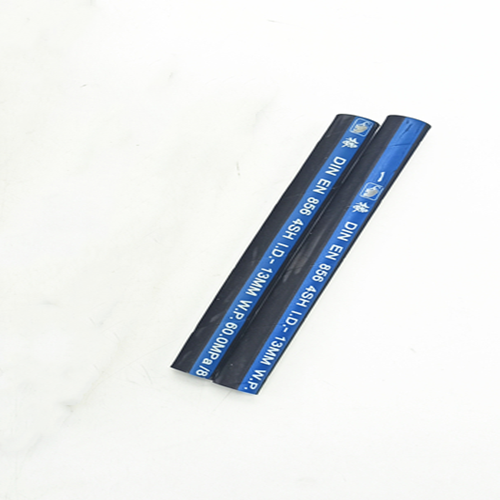
8mm air hoses manufactured in China represent a significant segment of the global pneumatic tool and compressed air system market. These hoses are critical components in various industrial, automotive, construction, and DIY applications, facilitating the transfer of compressed air to power tools, inflate tires, and operate pneumatic machinery. Their prevalence stems from a combination of competitive pricing, increasing manufacturing capabilities within China, and adherence to evolving international quality standards. This guide provides an in-depth technical overview of these hoses, covering material science, manufacturing processes, performance characteristics, potential failure modes, and relevant industry standards. A core industry pain point is maintaining consistent quality and performance across diverse manufacturing facilities, coupled with ensuring compliance with increasingly stringent safety and environmental regulations. Furthermore, the variability in rubber compound formulations and reinforcement materials directly impacts hose lifespan and reliability, demanding rigorous quality control procedures.
Material Science & Manufacturing
The primary material used in 8mm air hoses is typically a synthetic rubber compound, with Polyvinyl Chloride (PVC) and Rubber (NBR, SBR, EPDM) being the most common choices. NBR (Nitrile Butadiene Rubber) offers excellent resistance to oils and fuels, making it suitable for automotive applications. SBR (Styrene Butadiene Rubber) provides good abrasion resistance and general-purpose functionality. EPDM (Ethylene Propylene Diene Monomer) exhibits superior resistance to ozone, weathering, and heat. The selection of the rubber compound depends heavily on the intended application and the expected exposure conditions.
Manufacturing involves several key processes. First, the rubber compound is mixed with reinforcing materials like textile plies (typically nylon or polyester) to enhance tensile strength and burst pressure resistance. The number and orientation of these plies are critical parameters. Second, the reinforced rubber is extruded through a die to create the hose’s inner tube. Parameter control during extrusion is vital; maintaining consistent temperature and pressure is crucial to avoid defects like porosity or uneven wall thickness. Third, a reinforcing helix wire (typically steel wire) is wrapped around the exterior of the hose to provide additional strength and prevent kinking. The pitch and diameter of this wire significantly affect the hose's flexibility and resistance to collapsing under vacuum. Finally, the outer cover, often made of a different rubber compound for abrasion resistance and UV protection, is extruded over the reinforcing helix. Curing, a vulcanization process, is then applied using heat and pressure to crosslink the rubber molecules, enhancing its elasticity and durability. Process control during curing – including temperature ramp-up/ramp-down rates and curing time – is essential to achieve optimal material properties.
Performance & Engineering
The performance of an 8mm air hose is dictated by several key engineering parameters. Burst pressure, measured in PSI or Bar, is paramount, representing the maximum pressure the hose can withstand before rupture. This is directly related to the rubber compound's tensile strength and the reinforcement materials used. Working pressure, typically a fraction of the burst pressure (often 3:1 or 4:1 safety factor), defines the safe operating pressure for continuous use. Tensile strength, measured in MPa or PSI, determines the hose's resistance to stretching and tearing. Elongation at break, expressed as a percentage, indicates the hose's flexibility and ability to withstand deformation. Environmental resistance, encompassing ozone, UV, and chemical resistance, is crucial for longevity, particularly in outdoor or harsh industrial environments. The helix wire's resistance to corrosion is also a significant factor, especially in humid or corrosive atmospheres.
Force analysis during operation considers internal pressure forces acting radially on the hose wall and axial forces caused by bending and kinking. Hose bend radius is a critical parameter to prevent stress concentration and premature failure. Compliance requirements, such as those stipulated by OSHA (Occupational Safety and Health Administration) in the US and equivalent bodies in other regions, mandate regular inspection and replacement of hoses based on age and usage conditions. Functional implementation requires careful consideration of fittings; improper fitting attachment can lead to leaks or hose separation, posing significant safety risks. Thread sealing using PTFE tape or appropriate sealant is essential to ensure a leak-proof connection.
Technical Specifications
| Parameter | Typical Value (China 8mm Air Hose) | Test Method | Industry Standard |
|---|---|---|---|
| Inner Diameter | 8.0 ± 0.2 mm | Calipers | GB/T 3696-2008 |
| Working Pressure | 9 Bar (130 PSI) | Burst Pressure Test | SAE J517 |
| Burst Pressure | 27 Bar (390 PSI) | Hydrostatic Pressure Test | ISO 3827 |
| Tensile Strength | 18 MPa (2610 PSI) | Tensile Testing Machine | ASTM D412 |
| Elongation at Break | 300% - 500% | Tensile Testing Machine | ASTM D412 |
| Operating Temperature Range | -40°C to +60°C (-40°F to +140°F) | Temperature Cycling Test | EN 856 |
Failure Mode & Maintenance
Common failure modes for 8mm air hoses include fatigue cracking, particularly at the bend radius due to repeated flexing. This is exacerbated by improper hose handling and exceeding the recommended bend radius. Abrasion and wear on the outer cover can lead to reinforcement ply exposure, increasing the risk of bursting. Oil contamination can cause the rubber compound to swell and degrade, reducing its flexibility and strength. Kinking or collapsing of the hose, often due to insufficient reinforcement, restricts airflow and can cause localized stress concentrations. Oxidation and UV degradation, particularly in EPDM compounds, can lead to cracking and loss of elasticity over time. Delamination of the rubber layers from the reinforcing plies indicates a manufacturing defect or material incompatibility.
Preventative maintenance is crucial for extending hose lifespan and ensuring safety. Regular visual inspection for cracks, abrasions, kinks, and leaks is essential. Hoses should be replaced immediately if any damage is detected. Avoid sharp bends and excessive stretching. Store hoses in a cool, dry place away from direct sunlight and ozone sources. Clean hoses regularly with mild soap and water. When connecting fittings, ensure they are properly tightened and sealed. Consider implementing a hose management system to track hose age and usage conditions, facilitating timely replacement and minimizing the risk of catastrophic failure. Lubricating fittings before connection can also reduce wear and tear.
Industry FAQ
Q: What is the significance of the reinforcement ply material (nylon vs. polyester) in an 8mm air hose?
A: Nylon offers higher tensile strength and abrasion resistance compared to polyester, making it suitable for more demanding applications. However, nylon is also more expensive. Polyester provides good all-around performance at a lower cost, making it a common choice for general-purpose air hoses. The choice depends on the required pressure rating, application environment, and budget constraints.
Q: How does the rubber compound affect oil resistance?
A: Nitrile Butadiene Rubber (NBR) exhibits the highest oil resistance among commonly used rubber compounds for air hoses. Styrene Butadiene Rubber (SBR) offers moderate oil resistance, while Ethylene Propylene Diene Monomer (EPDM) has limited oil resistance. For applications involving frequent exposure to oil or fuels, NBR is the preferred choice.
Q: What is the impact of exceeding the working pressure on hose lifespan?
A: Exceeding the working pressure significantly reduces hose lifespan. Repeatedly operating above the specified pressure causes the rubber compound and reinforcement materials to undergo excessive stress, leading to fatigue cracking, delamination, and premature failure. It also voids any warranty claims.
Q: How important is the outer cover material for UV resistance?
A: The outer cover material plays a crucial role in protecting the hose from UV degradation. Prolonged exposure to sunlight can cause the rubber compound to crack and lose its elasticity. EPDM is generally more UV resistant than NBR or SBR. A UV-stabilized outer cover is recommended for outdoor applications.
Q: What fitting types are most commonly used with 8mm air hoses, and what are the potential failure points?
A: Common fitting types include quick-connect couplings, threaded fittings, and barbed fittings. Potential failure points include stripping of threads, leaks at the sealant, and cracking of the fitting body due to corrosion or over-tightening. Regular inspection of fittings for damage and proper sealing is crucial.
Conclusion
China-manufactured 8mm air hoses are a critical element in numerous industrial and commercial applications. Understanding the interplay between material science, manufacturing processes, and performance characteristics is essential for selecting the appropriate hose for a given task. Prioritizing quality control, adherence to international standards, and preventative maintenance practices significantly extends hose lifespan and minimizes the risk of failure, contributing to safer and more efficient operations.
Looking forward, advancements in rubber compound technology and reinforcement materials will likely lead to the development of air hoses with improved durability, flexibility, and resistance to extreme conditions. Furthermore, increased focus on sustainable manufacturing practices and the use of environmentally friendly materials will be paramount. Selecting a reputable manufacturer with a proven track record of quality and compliance is crucial for ensuring long-term reliability and performance.