
Apr . 01, 2024 17:55 Back to list
china 8mm air hose factory Performance Analysis
Introduction
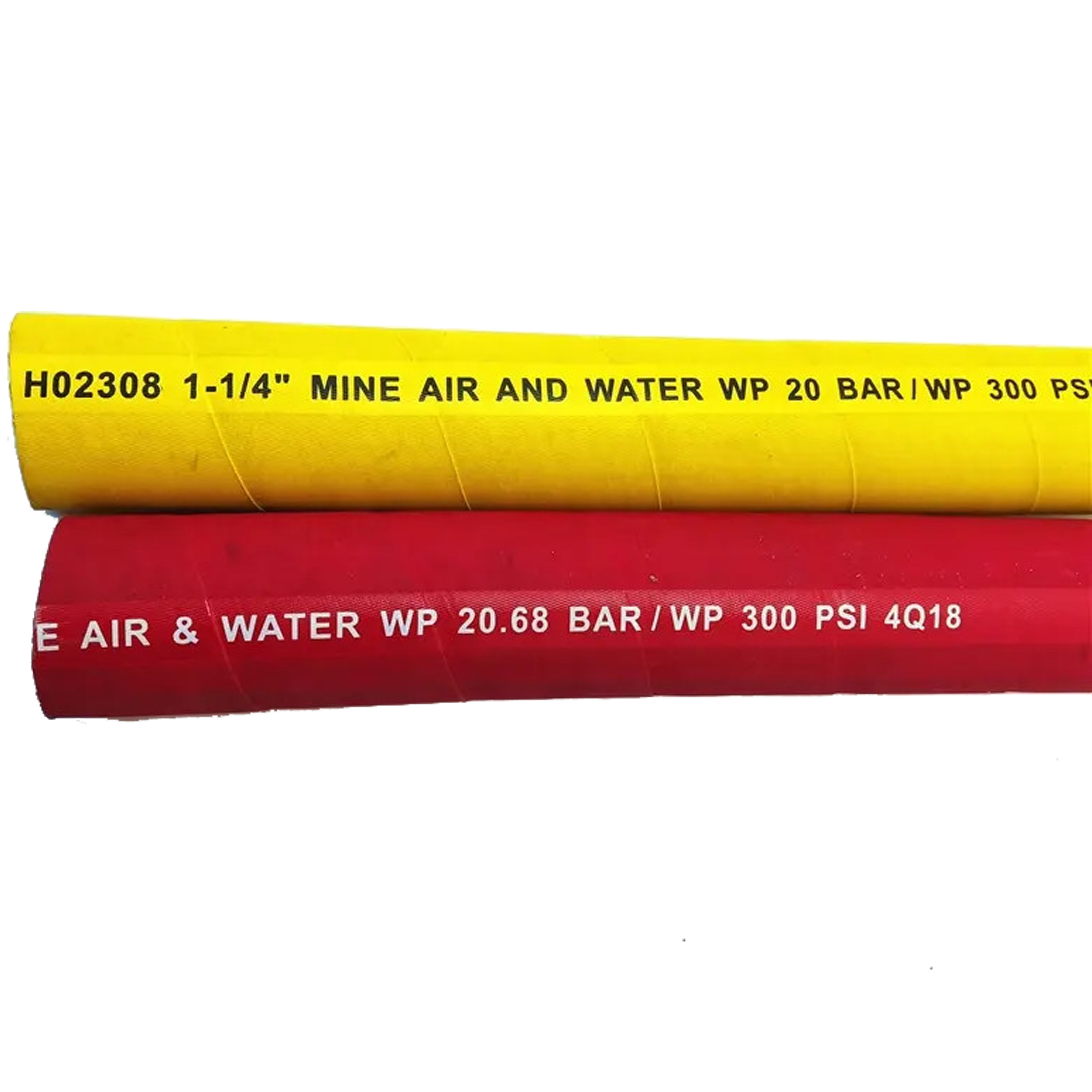
8mm air hoses, manufactured in China, represent a critical component in pneumatic systems across diverse industrial applications. These hoses facilitate the transmission of compressed air, powering tools, machinery, and automated processes. This technical guide provides an in-depth exploration of 8mm air hose construction, material science, performance characteristics, failure modes, and relevant industry standards. The proliferation of Chinese manufacturing in this sector is driven by cost-effectiveness and increasingly stringent quality control measures. A key performance indicator for these hoses is their ability to maintain consistent internal pressure while resisting deformation and degradation under various operational stresses. Understanding the nuances of their construction and performance is vital for optimizing system efficiency, ensuring worker safety, and minimizing downtime.
Material Science & Manufacturing
The core material for 8mm air hoses is typically a blend of synthetic rubbers, with Polyvinyl Chloride (PVC) and Rubber (NBR, SBR, or EPDM) being the most common. PVC provides rigidity and resistance to abrasion, while rubber compounds offer flexibility and pressure resistance. Reinforcement layers are crucial. These commonly consist of high-tensile textile braiding – typically polyester or nylon – embedded within the rubber matrix. The braiding provides burst strength and prevents kinking or collapsing under vacuum or negative pressure. Manufacturing begins with the compounding of the rubber formulation, carefully controlling the ratios of polymers, plasticizers, fillers (like carbon black for UV protection and reinforcement), and vulcanizing agents (sulfur-based compounds). This compound is then extruded through a die to form the inner tube. The reinforcement braiding is applied continuously during the extrusion process. Finally, an outer cover layer is extruded, providing abrasion resistance, weather protection, and often, oil resistance. Critical parameters during manufacturing include extrusion temperature, braiding tension, and curing time/temperature. Precise control of these parameters ensures consistent wall thickness, optimal reinforcement adhesion, and proper vulcanization for peak performance. Chemical compatibility of the rubber compound with compressed air contaminants (oil, water, particulates) is also paramount.
Performance & Engineering
The performance of an 8mm air hose is dictated by its ability to withstand internal pressure, external forces, and environmental conditions. Burst pressure is a primary specification, determined through hydrostatic testing – gradually increasing water pressure until the hose fails. Working pressure, significantly lower than burst pressure, represents the maximum safe operating pressure. Tensile strength, measured in MPa, indicates the hose's resistance to stretching and breaking under load. Elongation at break defines the hose's ductility. Furthermore, consideration must be given to the hose’s flexibility (bending radius) to prevent kinking and ensure smooth air flow. Environmental resistance is critical; exposure to ozone, UV radiation, and temperature extremes can cause rubber degradation. Oil resistance is vital in environments where compressed air is used to power oil-lubricated tools. Force analysis involves calculating the hoop stress within the hose wall based on internal pressure, and ensuring this stress remains below the material’s yield strength. Compliance requirements include adherence to safety regulations regarding pressure handling and material flammability. The hose's ability to maintain its integrity under cyclical pressure fluctuations (fatigue resistance) is also a key engineering consideration.
Technical Specifications
| Inner Diameter (mm) | Working Pressure (bar) | Burst Pressure (bar) | Tensile Strength (MPa) |
|---|---|---|---|
| 8 ± 0.2 | 6.3 | 21 | 14 |
| 8 ± 0.2 | 8.6 | 28 | 16 |
| 8 ± 0.2 | 10.5 | 35 | 18 |
| 8 ± 0.2 | 6.3 (Oil Resistant) | 21 | 13 |
| 8 ± 0.2 | 8.6 (Heat Resistant) | 28 | 15 |
| 8 ± 0.2 | 10.5 (Chemical Resistant) | 35 | 17 |
Failure Mode & Maintenance
Common failure modes for 8mm air hoses include burst failure due to exceeding the working pressure, kinking or collapse caused by excessive bending or vacuum conditions, cracking due to ozone degradation or UV exposure, and permeation of air leading to pressure loss. Fatigue cracking can occur with repeated pressure cycling, particularly near fittings. Abrasion damage from contact with rough surfaces is also a frequent cause of failure. Delamination of the reinforcement braiding can significantly reduce burst strength. Oxidation of the rubber compound over time leads to brittleness and cracking. Maintenance includes regular visual inspection for cracks, abrasions, and leaks. Proper storage – away from direct sunlight, ozone sources, and extreme temperatures – is crucial. Hoses should be periodically tested for pressure retention. Fittings should be inspected for corrosion and tightness. Avoid sharp bends and excessive stretching. When replacing hoses, ensure the new hose is compatible with the application's pressure, temperature, and chemical environment. Discard hoses that exhibit signs of damage or degradation. Proper handling and storage significantly extend hose lifespan and prevent catastrophic failures.
Industry FAQ
Q: What is the impact of using an 8mm hose with a working pressure lower than the system's maximum output?
A: Using a hose with an insufficient working pressure poses a significant safety risk. The hose may burst under pressure, causing injury and system downtime. Always ensure the hose’s working pressure exceeds the maximum output pressure of the system, with a suitable safety factor (typically 4:1). Furthermore, operating close to the hose's pressure limit accelerates fatigue and reduces its lifespan.
Q: How does temperature affect the performance of an 8mm air hose?
A: Extreme temperatures can significantly degrade hose performance. High temperatures accelerate rubber oxidation and reduce flexibility. Low temperatures can cause the rubber to become brittle and more susceptible to cracking. Exceeding the specified temperature range can compromise the hose's pressure rating and lead to premature failure. Selecting a hose specifically designed for the operating temperature range is crucial.
Q: What is the difference between NBR, SBR, and EPDM rubber compounds in 8mm air hose applications?
A: NBR (Nitrile Butadiene Rubber) offers excellent oil resistance, making it suitable for applications involving oil-lubricated tools. SBR (Styrene-Butadiene Rubber) is a general-purpose rubber with good abrasion resistance and lower cost. EPDM (Ethylene Propylene Diene Monomer) exhibits superior ozone and weather resistance, ideal for outdoor applications and environments with high ozone concentrations.
Q: How do I determine if an 8mm air hose is suitable for conveying air containing water or oil?
A: Standard PVC/Rubber hoses may not be suitable for prolonged exposure to water or oil. Water can cause hydrolysis of the rubber, leading to degradation. Oil can swell and soften the rubber, reducing its strength and flexibility. Select a hose specifically rated for oil or water resistance, often indicated by specific certifications or material designations.
Q: What is the role of the textile braiding within the hose construction?
A: The textile braiding (typically polyester or nylon) provides the hose with its burst strength and resistance to kinking. It acts as a reinforcement layer, preventing the hose from expanding excessively under pressure and maintaining its structural integrity. The type and density of the braiding significantly impact the hose’s pressure rating and flexibility.
Conclusion
The selection and maintenance of 8mm air hoses are critical for ensuring the reliable and safe operation of pneumatic systems. Understanding the material science, manufacturing processes, and performance characteristics detailed in this guide is essential for procurement professionals and engineers alike. Factors such as working pressure, temperature range, chemical compatibility, and environmental conditions must be carefully considered to prevent premature failure and maximize hose lifespan.
Chinese manufacturers play a dominant role in the 8mm air hose market, offering competitive pricing and increasingly sophisticated quality control measures. Continued advancements in rubber compounding, reinforcement technologies, and extrusion processes will further enhance the performance and durability of these essential components, driving efficiency and safety across a wide range of industrial applications.