
Apr . 01, 2024 17:55 Back to list
china 6mm air hose supplier Performance Analysis
Introduction
6mm internal diameter (ID) air hoses are a ubiquitous component in pneumatic systems across diverse industrial applications. Supplied extensively from China, these hoses facilitate the transfer of compressed air to power tools, automated machinery, and various other pneumatic devices. This technical guide details the materials, manufacturing processes, performance characteristics, failure modes, and relevant standards associated with 6mm air hoses sourced from Chinese suppliers. The focus is on providing a comprehensive understanding for procurement managers, engineers, and maintenance personnel responsible for the selection, implementation, and upkeep of these critical components. Key performance considerations include working pressure, burst pressure, temperature resistance, flexibility, and resistance to abrasion and oil degradation. The dominance of Chinese suppliers in this market necessitates a clear understanding of material sourcing and quality control practices to ensure reliable and safe operation.
Material Science & Manufacturing
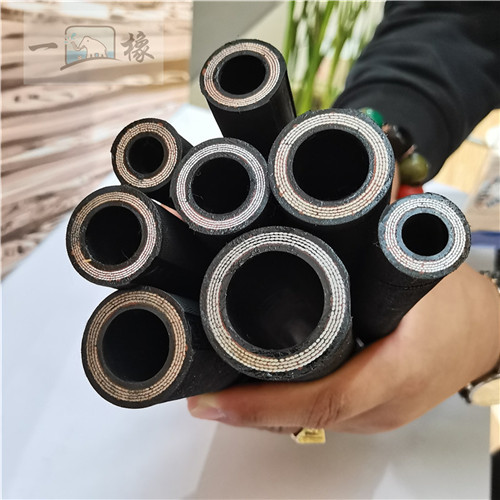
The predominant material used in 6mm air hose construction is Polyvinyl Chloride (PVC) blended with plasticizers, stabilizers, and reinforcing materials. PVC provides a cost-effective base polymer with acceptable flexibility and resistance to many chemicals. The specific PVC formulation significantly impacts hose performance. Plasticizers, such as di(2-ethylhexyl) phthalate (DEHP) or alternatives like dioctyl terephthalate (DOTP), are incorporated to enhance flexibility, particularly at lower temperatures. Stabilizers, commonly calcium-zinc or lead-based (though lead content is increasingly restricted due to environmental concerns), protect against thermal and UV degradation. Reinforcement is crucial. Braided polyester or nylon yarns are embedded within the PVC matrix to provide tensile strength and prevent bursting under pressure. The weave pattern and yarn denier directly correlate with the hose’s pressure rating. Manufacturing involves extrusion, braiding, and subsequent curing. Extrusion forces molten PVC through a die to form the hose’s inner and outer layers. Braiding machines interlock the reinforcement yarns around the extruded core. Finally, curing solidifies the PVC and ensures proper adhesion between the polymer and reinforcement. Key process parameters include extrusion temperature (180-200°C), braiding tension, and curing time (typically 24-48 hours at ambient temperature). Variations exist, with some hoses incorporating an anti-static copper wire embedded within the PVC to dissipate static electricity, critical in environments with flammable vapors. Rubber air hoses, typically utilizing synthetic rubbers like SBR (Styrene-Butadiene Rubber) or NBR (Nitrile Butadiene Rubber), are also available, offering superior flexibility and temperature resistance but at a higher cost.

Performance & Engineering
The performance of a 6mm air hose is fundamentally governed by its ability to withstand internal pressure without failure. This is quantified by its working pressure (the maximum continuous operating pressure) and burst pressure (the pressure at which the hose fails catastrophically). Engineering considerations involve stress analysis to determine the appropriate reinforcement layer for the desired pressure rating. Hose flexibility, measured by its bend radius, is critical for ease of use and preventing kinking, which can restrict airflow and lead to premature failure. Temperature resistance is paramount; PVC hoses typically perform optimally between -10°C and +60°C. Exposure to extreme temperatures can cause embrittlement or softening, compromising performance. Chemical compatibility is another vital aspect. Prolonged exposure to oils, solvents, or corrosive chemicals can degrade the PVC, leading to leaks or rupture. Abrasion resistance is crucial in harsh industrial environments. The outer surface of the hose must withstand repeated contact with abrasive surfaces without significant wear. Furthermore, electrostatic discharge (ESD) control is vital in certain applications. Static buildup can ignite flammable materials; therefore, anti-static hoses are recommended. The design of end fittings—typically quick-connect couplings made of brass or stainless steel—must ensure a secure and leak-proof connection. Proper crimping techniques are essential to prevent fitting detachment under pressure.
Technical Specifications
| Parameter | PVC Hose (Standard Grade) | PVC Hose (Heavy Duty) | Rubber Hose (NBR) | Units |
|---|---|---|---|---|
| Internal Diameter | 6.0 | 6.0 | 6.0 | mm |
| Working Pressure | 9 | 12 | 10 | bar |
| Burst Pressure | 27 | 36 | 30 | bar |
| Tensile Strength | 18 | 24 | 22 | MPa |
| Temperature Range | -10 to +60 | -15 to +65 | -30 to +80 | °C |
| Bend Radius | 50 | 60 | 40 | mm |
| Material | PVC, Polyester Braid | PVC, Nylon Braid | NBR, Polyester Braid | - |
Failure Mode & Maintenance
Common failure modes for 6mm air hoses include bursting due to exceeding the working pressure, kinking leading to localized stress concentration and rupture, cracking due to UV degradation or chemical attack, and leakage at the fittings. Bursting typically occurs when the reinforcement layer fails under excessive pressure. Kinking is more prevalent with less flexible hoses and can be mitigated by using a larger bend radius. UV degradation manifests as surface cracking and loss of flexibility, particularly in hoses exposed to direct sunlight. Chemical attack results in swelling, softening, or embrittlement of the PVC. Leakage at the fittings is often caused by improper crimping or corrosion of the coupling. Failure analysis should include visual inspection for cracks, abrasions, and deformation, followed by pressure testing to identify leaks. Maintenance practices include regular visual inspections, cleaning with mild soap and water, avoiding exposure to harsh chemicals, and replacing hoses exhibiting signs of damage. Proper storage—protected from sunlight, extreme temperatures, and sharp objects—is also crucial. For rubber hoses, periodic application of a rubber protectant can help prevent drying and cracking. Furthermore, ensure compatibility of fittings with the hose material to prevent galvanic corrosion.
Industry FAQ
Q: What is the impact of phthalate content in PVC hoses and are there viable alternatives?
A: Traditional PVC formulations often utilize DEHP as a plasticizer, which is a phthalate. Phthalates are facing increasing regulatory scrutiny due to potential health concerns. DOTP is a commonly used alternative that offers comparable performance characteristics without the same health risks. The choice depends on specific application requirements and compliance needs. Suppliers should provide material safety data sheets (MSDS) detailing the plasticizer content.
Q: How does the braiding material affect the hose's performance?
A: Polyester and nylon are the most common braiding materials. Nylon generally offers higher tensile strength and elongation, making it suitable for applications requiring greater flexibility and resistance to shock loading. Polyester provides good abrasion resistance and dimensional stability. The braid angle also affects performance; a steeper angle increases pressure resistance but reduces flexibility.
Q: What measures should be taken to prevent static buildup in flammable environments?
A: Utilize anti-static hoses with an embedded copper wire to dissipate static electricity. Ensure proper grounding of all pneumatic equipment. Control humidity levels to reduce static charge generation. Avoid using hoses made of materials prone to static buildup, such as certain types of PVC.
Q: What is the typical lifespan of a 6mm air hose under normal operating conditions?
A: The lifespan varies depending on usage frequency, operating conditions, and maintenance practices. A well-maintained PVC hose typically lasts 2-3 years. Rubber hoses can have a slightly longer lifespan, potentially up to 4-5 years, but are more susceptible to degradation from ozone and UV exposure. Regular inspections are crucial for early detection of wear and tear.
Q: How can I verify the quality of a 6mm air hose from a Chinese supplier?
A: Request certification to relevant standards (see below). Conduct thorough incoming inspection, including pressure testing and visual examination. Request MSDS documentation for material composition. Assess the supplier’s quality control processes and traceability systems. Consider third-party inspection services for independent verification.
Conclusion
The selection of an appropriate 6mm air hose from a Chinese supplier demands a comprehensive understanding of material science, manufacturing processes, and performance characteristics. PVC remains the dominant material due to its cost-effectiveness, but the choice between standard and heavy-duty grades, as well as the consideration of phthalate-free alternatives, is crucial. Proper maintenance, including regular inspection and adherence to recommended operating parameters, is essential to maximize hose lifespan and prevent catastrophic failures.
Ultimately, a robust procurement strategy requires diligent supplier evaluation, rigorous quality control, and a commitment to adhering to relevant industry standards. By prioritizing these factors, organizations can ensure a reliable and safe pneumatic system operation while leveraging the competitive pricing offered by Chinese manufacturers.