
Apr . 01, 2024 17:55 Back to list
china 6mm air hose manufacturers Performance Analysis
Introduction
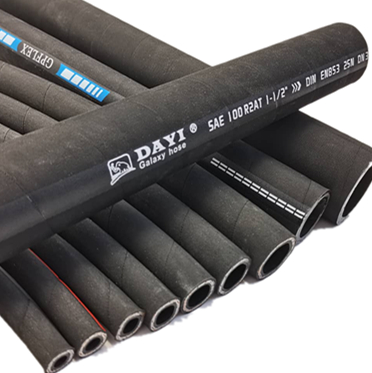
6mm internal diameter (ID) air hoses are ubiquitous in pneumatic systems across diverse industries including automotive repair, construction, manufacturing, and woodworking. China has emerged as a dominant manufacturer of these hoses, offering a range of quality and pricing. This guide provides an in-depth technical analysis of 6mm air hoses produced in China, focusing on material science, manufacturing processes, performance characteristics, failure modes, and relevant industry standards. The core challenge in this market lies in consistently achieving high burst pressure, low air leakage, and resistance to common industrial fluids while maintaining cost-effectiveness. Chinese manufacturers address this through varying formulations of PVC, rubber compounds, and reinforcement materials. Understanding these nuances is critical for procurement professionals seeking reliable and durable air hose solutions.
Material Science & Manufacturing
The primary materials used in 6mm air hose production are Polyvinyl Chloride (PVC), rubber (typically synthetic rubber like SBR, NBR, or EPDM), and reinforcement textiles. PVC provides abrasion resistance and flexibility, but is less resistant to oils and extreme temperatures. Rubber compounds offer superior flexibility and oil resistance but are typically more expensive. Reinforcement, commonly braided polyester or nylon, increases burst pressure and prevents kinking.
PVC Compound Formulation: PVC formulations vary significantly. High-quality hoses utilize plasticizers (DINP, DOTP) to enhance flexibility and low-temperature performance. Stabilizers (calcium-zinc or lead-based, though lead is increasingly restricted) prevent degradation from UV exposure and heat. Fillers (calcium carbonate, talc) reduce cost but can reduce tensile strength.
Rubber Compound Formulation: Nitrile Butadiene Rubber (NBR) is favored for oil resistance. Styrene-Butadiene Rubber (SBR) offers good abrasion resistance and cost-effectiveness. Ethylene Propylene Diene Monomer (EPDM) provides excellent resistance to ozone, weathering, and heat. Carbon black is a critical reinforcement filler in rubber compounds, affecting tensile strength, tear resistance, and abrasion resistance.
Manufacturing Process: The production typically involves extrusion. The compound (PVC or rubber) is heated and forced through a die to form the hose tube. Reinforcement layers are applied during or immediately after extrusion, followed by curing (for rubber hoses) and cooling. Quality control is paramount, particularly during extrusion to ensure consistent wall thickness and proper reinforcement braiding. Parameter control includes die temperature, extrusion pressure, pull speed, and curing time/temperature.
Performance & Engineering
Key performance characteristics of 6mm air hoses include burst pressure, working pressure, tensile strength, elongation at break, and resistance to various fluids. Burst pressure is the maximum pressure the hose can withstand before failure and is critically determined by reinforcement layer density and material strength. Working pressure is a fraction of burst pressure, typically 3:1 or 4:1, representing the safe operating limit. Tensile strength measures the hose’s resistance to pulling forces, directly related to the polymer and reinforcement materials. Elongation at break indicates the hose’s flexibility and ability to stretch before failure.
Force Analysis: Hose failures often stem from exceeding the working pressure or subjecting the hose to excessive bending. The internal pressure creates hoop stress in the hose wall. Reinforcement layers resist this stress. Bending induces both tensile and compressive stresses, potentially leading to fatigue cracking, especially near fittings.
Environmental Resistance: Exposure to ozone, UV radiation, and extreme temperatures can degrade the hose material. EPDM rubber offers superior ozone and weathering resistance compared to SBR or PVC. UV stabilizers are crucial in PVC formulations to prevent cracking and discoloration.
Compliance Requirements: Air hoses must comply with relevant safety standards. In Europe, this includes EN ISO 6899. In the US, it can include OSHA requirements and adherence to standards for pneumatic tool safety. Chinese manufacturers are increasingly seeking certifications to demonstrate compliance with international standards.
Technical Specifications
| Parameter | PVC Hose (Standard Grade) | PVC Hose (High Grade) | Rubber Hose (NBR) | Rubber Hose (EPDM) |
|---|---|---|---|---|
| Internal Diameter (ID) | 6.0 mm ± 0.2 mm | 6.0 mm ± 0.1 mm | 6.0 mm ± 0.15 mm | 6.0 mm ± 0.15 mm |
| Working Pressure | 9 bar (130 psi) | 12 bar (174 psi) | 10 bar (145 psi) | 12 bar (174 psi) |
| Burst Pressure | 27 bar (390 psi) | 36 bar (522 psi) | 30 bar (435 psi) | 36 bar (522 psi) |
| Tensile Strength | 14 MPa | 17 MPa | 20 MPa | 18 MPa |
| Elongation at Break | 200% | 250% | 300% | 350% |
| Temperature Range | -10°C to +60°C | -20°C to +60°C | -30°C to +80°C | -40°C to +100°C |
Failure Mode & Maintenance
Common failure modes for 6mm air hoses include burst due to exceeding working pressure, kinking leading to localized stress concentration and eventual failure, cracking due to UV degradation or fatigue, and leakage at fittings. Burst failures are often catastrophic and indicate a compromised reinforcement layer or material defect. Kinking is more prevalent in hoses with insufficient reinforcement or low flexibility. Cracking occurs primarily in PVC hoses exposed to prolonged UV radiation. Leakage at fittings is frequently caused by improper fitting installation, damaged threads, or incompatible fitting materials.
Failure Analysis: Fractographic analysis of burst hoses reveals whether the failure originated from the tube material, the reinforcement layer, or the fitting connection. Examination of cracked surfaces identifies the cause of degradation (UV exposure, chemical attack, or mechanical stress).
Maintenance Solutions: Regular visual inspection for cracks, kinks, and leaks is crucial. Avoid exposing hoses to extreme temperatures or corrosive substances. Use appropriate fittings and ensure proper installation. Store hoses in a cool, dry place away from direct sunlight. Replace hoses exhibiting signs of damage or deterioration. Implement a hose management program to track hose usage, inspection dates, and replacement schedules.
Industry FAQ
Q: What is the difference between PVC and rubber hoses in terms of oil resistance?
A: PVC hoses generally exhibit poor resistance to oils and solvents, leading to swelling and degradation. Rubber hoses, particularly those made with NBR (Nitrile Butadiene Rubber), offer significantly superior oil resistance. EPDM rubber provides excellent resistance to a wider range of chemicals, including oils, acids, and alkalis, but may be more expensive.
Q: How does the reinforcement braiding affect the hose's performance?
A: The reinforcement braiding (typically polyester or nylon) significantly increases the hose's burst pressure and resistance to kinking. Higher braiding density provides greater strength and prevents the hose from collapsing under suction or bending. The type of fiber also impacts performance; nylon generally offers higher tensile strength than polyester.
Q: What is the impact of temperature on air hose performance?
A: Temperature extremes can drastically affect air hose performance. High temperatures can soften the hose material, reducing its pressure rating and increasing the risk of failure. Low temperatures can make the hose brittle and prone to cracking. Selecting a hose material with an appropriate temperature range for the application is critical.
Q: How do I determine the appropriate working pressure for an air hose?
A: The working pressure should always be significantly lower than the burst pressure, typically with a safety factor of 3:1 or 4:1. Consider the maximum pressure of the pneumatic tools being used and select a hose with a working pressure that exceeds this value. Also, factor in potential pressure spikes in the system.
Q: What standards should I look for when sourcing air hoses from China?
A: While domestic Chinese standards exist (GB), it's preferable to seek hoses certified to international standards like EN ISO 6899 (Europe) or those demonstrating compliance with relevant OSHA requirements. ISO 9001 certification for the manufacturer indicates a commitment to quality management systems.
Conclusion
The selection of a 6mm air hose from Chinese manufacturers requires careful consideration of material properties, manufacturing quality, and performance characteristics. PVC hoses offer cost-effectiveness for general-purpose applications, while rubber hoses provide superior oil resistance and flexibility. Reinforcement braiding is critical for achieving adequate burst pressure and preventing kinking. Thoroughly evaluating technical specifications, understanding potential failure modes, and verifying compliance with relevant standards are essential for ensuring reliable and safe operation.
The future of air hose technology in China likely involves continued development of advanced polymer formulations, improved reinforcement techniques, and increased adherence to international quality standards. Procurement professionals should prioritize long-term durability and safety over initial cost savings, and maintain strong relationships with reputable manufacturers who demonstrate a commitment to quality control and continuous improvement.