
Apr . 01, 2024 17:55 Back to list
china 6mm air hose factory Performance Analysis
Introduction
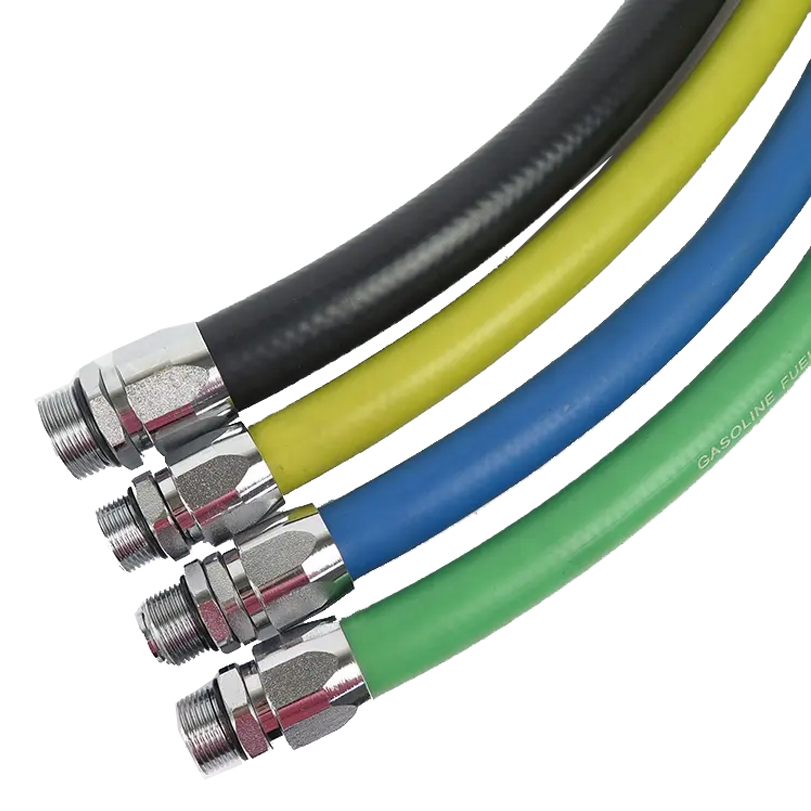
6mm internal diameter (ID) air hoses are ubiquitous in industrial pneumatic systems, serving as the conduit for compressed air powering tools, machinery, and automated processes. Produced extensively in China, these hoses represent a critical component in a vast range of applications, from automotive repair and construction to food processing and manufacturing. The technical position of these hoses lies between the air compressor, the power source, and the end-use pneumatic devices. Their core performance characteristics – burst pressure, working pressure, flexibility, and resistance to environmental factors – directly impact the efficiency and safety of the entire pneumatic system. A critical pain point for procurement managers is balancing cost-effectiveness with long-term durability and compliance with international safety standards. The primary materials utilized in their construction are typically PVC, rubber (SBR, EPDM, NBR), or thermoplastic polyurethanes (TPU), each offering differing performance profiles in relation to temperature, oil resistance, and abrasion resistance. The selection of the appropriate hose material and construction method is paramount for ensuring reliable and safe operation within a specific industrial context.
Material Science & Manufacturing
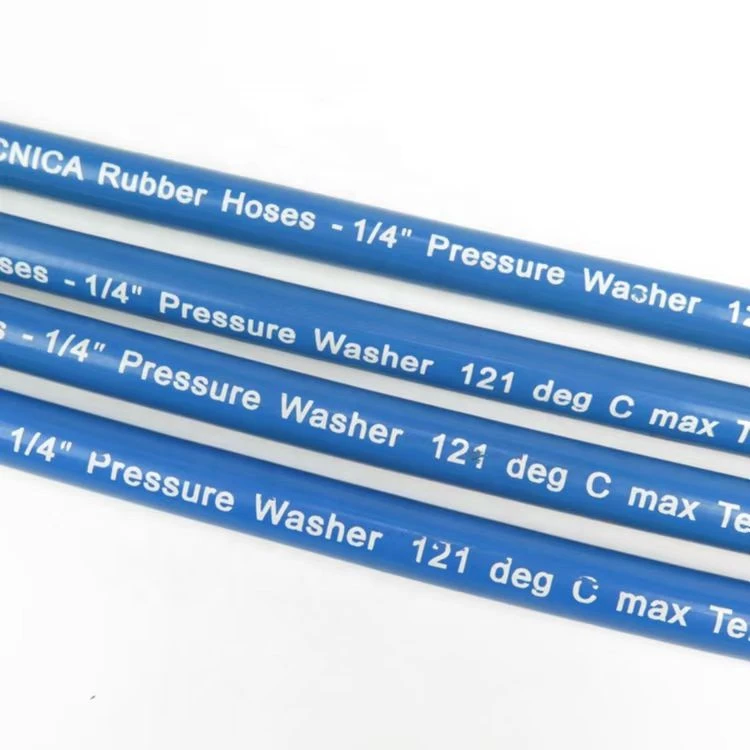
The predominant materials used in 6mm air hose manufacturing are PVC, SBR (Styrene-Butadiene Rubber), NBR (Nitrile Butadiene Rubber), EPDM (Ethylene Propylene Diene Monomer) and TPU (Thermoplastic Polyurethane). PVC offers cost-effectiveness and reasonable flexibility but exhibits limited oil resistance and temperature tolerance. SBR provides good abrasion resistance and flexibility, suitable for general-purpose applications. NBR excels in oil resistance, making it ideal for environments where exposure to lubricants is common. EPDM demonstrates excellent resistance to weathering, ozone, and heat, favored for outdoor and high-temperature applications. TPU combines the benefits of rubber and plastic, offering high abrasion resistance, flexibility, and resistance to oils and chemicals, but generally at a higher cost.
Manufacturing processes typically involve extrusion, followed by reinforcement and outer cover application. Extrusion forces the molten material through a die to create the hose body. Reinforcement, usually a high-tensile textile braid (polyester or nylon) or a spiral wire helix, is then added to enhance burst pressure resistance. The outer cover provides protection against abrasion, UV exposure, and chemical attack. Parameter control is critical throughout. Melt temperature during extrusion must be precisely maintained to ensure consistent material properties. Braid tension must be accurately controlled to achieve the desired pressure rating without compromising flexibility. Curing processes for rubber hoses require precise temperature and time control to optimize crosslinking and achieve optimal elasticity and strength. Quality control includes burst pressure testing, tensile strength testing, and dimensional accuracy checks according to standards like ISO 3827.
Performance & Engineering
The performance of a 6mm air hose is dictated by its ability to withstand internal pressure, external forces, and environmental stresses. Force analysis centers on hoop stress within the hose wall, calculated using the Barlow formula (σ = PD/2t, where σ is hoop stress, P is internal pressure, D is internal diameter, and t is wall thickness). Engineers must ensure the calculated hoop stress remains significantly below the material's tensile strength to prevent rupture. Flexibility is governed by the material’s Young’s modulus and the hose's construction – reinforcement type and braid density impact bend radius and resistance to kinking. Environmental resistance is crucial; prolonged exposure to UV radiation degrades PVC and some rubber compounds, leading to brittleness. Oil exposure can cause swelling and degradation of incompatible materials. Temperature extremes can affect material flexibility and strength.
Compliance requirements vary by region. In Europe, hoses must conform to REACH and RoHS directives regarding restricted substances. In the US, OSHA standards mandate safe working pressures and require hoses to be inspected regularly for damage. Furthermore, specific industries (e.g., food processing) may demand hoses compliant with FDA regulations for food-grade materials. Functional implementation relies on secure connections – fittings must be compatible with the hose material and rated for the system's working pressure. Incorrect fittings can lead to leaks or catastrophic failures. Regular inspection and preventative maintenance, including pressure testing and visual examination for cracks or abrasions, are essential for maintaining operational integrity.
Technical Specifications
| Parameter | PVC Hose | SBR Rubber Hose | NBR Rubber Hose | EPDM Rubber Hose | TPU Hose |
|---|---|---|---|---|---|
| Internal Diameter (ID) | 6mm ± 0.2mm | 6mm ± 0.2mm | 6mm ± 0.2mm | 6mm ± 0.2mm | 6mm ± 0.1mm |
| Working Pressure | 300 PSI | 400 PSI | 450 PSI | 350 PSI | 500 PSI |
| Burst Pressure | 900 PSI | 1200 PSI | 1350 PSI | 1050 PSI | 1500 PSI |
| Temperature Range | -10°C to +60°C | -30°C to +80°C | -40°C to +100°C | -40°C to +120°C | -40°C to +90°C |
| Oil Resistance | Poor | Moderate | Excellent | Poor | Good |
| Abrasion Resistance | Moderate | Good | Moderate | Moderate | Excellent |
Failure Mode & Maintenance
Common failure modes in 6mm air hoses include fatigue cracking, pinholes, bursting, kinking, and material degradation. Fatigue cracking typically occurs due to repeated bending and flexing, particularly near fittings. Pinholes can result from abrasion or puncture by foreign objects. Bursting is a catastrophic failure caused by exceeding the hose’s pressure rating or material weakening. Kinking restricts airflow and can lead to localized stress concentrations. Material degradation stems from UV exposure, chemical attack, or temperature extremes, causing embrittlement and loss of flexibility. Oxidation of rubber compounds is also a significant degradation pathway.
Preventative maintenance is critical. Regular visual inspections should identify cracks, abrasions, bulges, or discoloration. Pressure testing (hydrostatic or pneumatic) should be conducted periodically to verify the hose’s integrity. Hoses should be replaced immediately if any damage is detected or if they fail a pressure test. Proper storage – avoiding direct sunlight, extreme temperatures, and contact with incompatible chemicals – extends hose lifespan. When coiling the hose, avoid sharp bends that can induce stress. Fittings should be inspected for corrosion or damage, and replaced as needed. A robust maintenance schedule, documented and followed consistently, minimizes downtime and ensures safe operation.
Industry FAQ
Q: What is the impact of different reinforcement materials (textile vs. spiral wire) on hose performance?
A: Textile reinforcement (typically polyester or nylon braid) provides good flexibility and is suitable for general-purpose applications. Spiral wire reinforcement offers significantly higher burst pressure resistance and is preferred for high-pressure systems or applications requiring enhanced kink resistance. However, spiral wire hoses are generally less flexible than braided hoses.
Q: How does the choice of hose material affect its suitability for different industrial environments?
A: Material selection is crucial. PVC is cost-effective but limited in oil and temperature resistance. SBR is a good all-around choice. NBR is essential where oil exposure is present. EPDM excels in outdoor and high-temperature environments. TPU offers a balance of properties, ideal for demanding applications.
Q: What are the key considerations when selecting fittings for a 6mm air hose?
A: Fittings must be compatible with the hose material (e.g., brass fittings for rubber hoses, plastic fittings for PVC hoses) and rated for the system's working pressure. The fitting type (barbed, quick-connect, threaded) should be appropriate for the application. Ensure a secure and leak-proof connection.
Q: What are the common causes of hose failure in pneumatic systems, and how can they be prevented?
A: Common causes include exceeding pressure limits, abrasion, kinking, UV exposure, and chemical attack. Prevention involves selecting the correct hose for the application, regular inspections, pressure testing, proper storage, and using appropriate fittings.
Q: How often should 6mm air hoses be replaced as part of a preventative maintenance program?
A: Replacement frequency depends on the severity of the operating environment and usage intensity. A general guideline is annual inspection and replacement every 2-3 years, or sooner if any damage is detected during inspection or pressure testing. Critical applications may require more frequent replacement.
Conclusion
The selection and maintenance of 6mm air hoses are integral to the reliability and safety of pneumatic systems. Understanding the material science, manufacturing processes, and performance characteristics of these hoses is paramount for procurement managers and engineers alike. A diligent approach to material selection, coupled with a robust preventative maintenance program, minimizes the risk of failure, reduces downtime, and ensures optimal system performance.
Looking ahead, advancements in polymer technology will likely lead to the development of air hoses with enhanced durability, chemical resistance, and temperature tolerance. Furthermore, the increasing adoption of Industry 4.0 principles will drive the integration of sensors and data analytics into hose monitoring, enabling predictive maintenance and further optimizing system efficiency. The continued focus on sustainable materials and manufacturing processes will also shape the future of the 6mm air hose industry.