
Apr . 01, 2024 17:55 Back to list
china 5/8 hydraulic hose manufacturer Performance Analysis
Introduction
The 5/8 inch hydraulic hose is a critical component in fluid power systems, facilitating the transmission of hydraulic fluid to operate machinery across diverse industrial sectors including construction, agriculture, manufacturing, and automotive. Manufacturers in China have become prominent suppliers globally, offering a balance of cost-effectiveness and increasingly stringent quality control. This guide provides an in-depth technical overview of 5/8 inch hydraulic hoses, encompassing material science, manufacturing processes, performance characteristics, failure modes, and relevant industry standards. Key performance indicators for these hoses are burst pressure, working pressure, temperature range, and fluid compatibility. A significant challenge for end-users lies in selecting a hose capable of withstanding specific operational demands, especially concerning fluid type, pressure fluctuations, and environmental conditions. The industry currently faces demands for lighter-weight, more durable hoses with improved chemical resistance and reduced environmental impact.
Material Science & Manufacturing
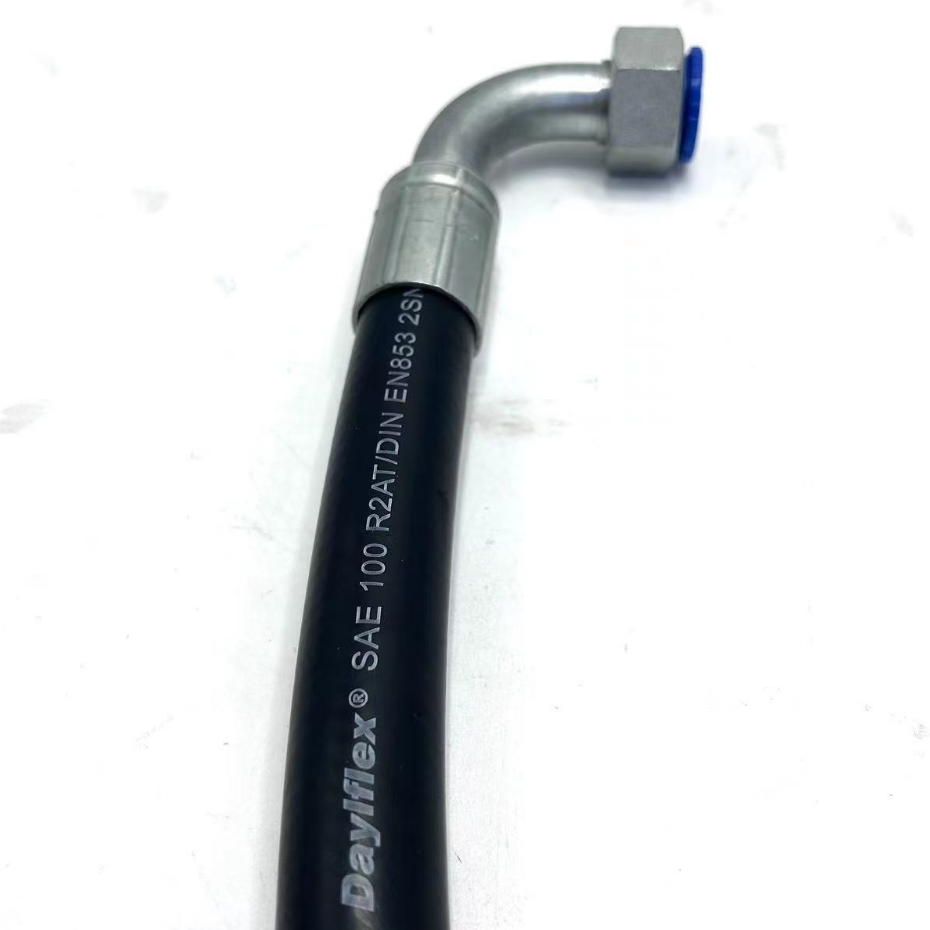
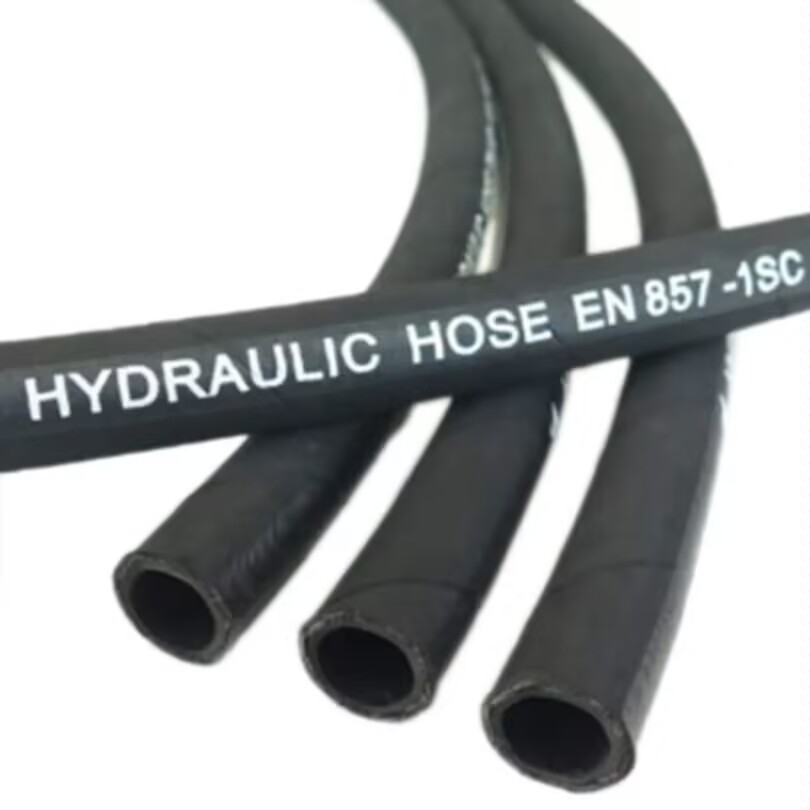
5/8 inch hydraulic hoses are typically constructed from several layers, each contributing to specific performance characteristics. The inner tube, designed for fluid compatibility, is commonly made of synthetic rubber compounds such as nitrile (NBR), neoprene (CR), or ethylene propylene diene monomer (EPDM). NBR offers excellent resistance to petroleum-based fluids, while CR excels in resistance to ozone and weathering. EPDM is particularly suited for phosphate ester fluids. The reinforcement layer provides structural integrity and pressure resistance. This is typically braided or spiraled from high-tensile steel wire, though aramid fiber reinforcement is increasingly used for reduced weight and increased flexibility. The outer cover, protecting the hose from abrasion, oil, and weathering, is generally composed of chloroprene rubber (CR) or polyurethane (PU). Manufacturing begins with extrusion of the inner tube, followed by application of the reinforcement layer through braiding or winding. The outer cover is then extruded over the reinforcement. Curing, a critical process, involves vulcanization of the rubber compounds to achieve desired elasticity, strength, and chemical resistance. Parameter control during extrusion (temperature, pressure, die geometry) and curing (temperature, time, pressure) are paramount to ensure consistent hose quality. Skiving of the outer cover at the hose ends is often performed to facilitate secure fitting attachment. Quality control includes hydrostatic pressure testing to verify burst strength and dimensional inspection to confirm adherence to specifications.
Performance & Engineering
The performance of a 5/8 inch hydraulic hose is dictated by several engineering considerations. Force analysis involves determining the hoop stress within the hose wall under internal pressure. The reinforcement layer bears the brunt of this stress. Hose selection must account for a substantial safety factor, typically 4:1 for working pressure relative to burst pressure. Environmental resistance is crucial; exposure to extreme temperatures, UV radiation, and corrosive chemicals can degrade hose materials. Temperature ratings dictate the operational limits of the hose. Hydraulic fluid compatibility is paramount; incompatible fluids can cause swelling, softening, or cracking of the inner tube. Compliance requirements vary by region and application. For example, hoses used in automotive applications must meet SAE J517 standards. Fatigue resistance is a critical factor in dynamic applications. Repeated pressure cycles can lead to fatigue cracking of the reinforcement layer. Hose assemblies, including fittings, are subject to rigorous testing to ensure leak-free operation and structural integrity. Proper installation, including correct bend radius and fitting torque, is essential for optimal performance and longevity. The use of guard sleeves is often recommended to protect hoses from abrasion and impact damage.
Technical Specifications
| Parameter | Unit | Typical Value (NBR Inner, Steel Wire Braid) | Typical Value (EPDM Inner, Aramid Fiber Braid) |
|---|---|---|---|
| Inner Diameter | inches | 0.625 | 0.625 |
| Working Pressure | psi | 2220 | 1880 |
| Burst Pressure | psi | 6660 | 5640 |
| Temperature Range | °F | -40 to +212 | -40 to +250 |
| Reinforcement Type | - | Steel Wire Braid (4SP/6SP) | Aramid Fiber Braid (4SH/6SH) |
| Cover Material | - | Chloroprene Rubber (CR) | Polyurethane (PU) |
Failure Mode & Maintenance
Common failure modes in 5/8 inch hydraulic hoses include burst failure due to exceeding working pressure, fatigue cracking from cyclical loading, pinhole leaks caused by abrasion or corrosion, and degradation of the rubber compounds from exposure to incompatible fluids or environmental factors. Burst failures are often catastrophic, resulting in fluid spray and potential injury. Fatigue cracking typically initiates at stress concentration points, such as near fittings or bends. Pinhole leaks can lead to gradual fluid loss and reduced system performance. Degradation manifests as swelling, softening, or cracking of the hose material. Failure analysis often involves visual inspection, pressure testing, and microscopic examination of fractured surfaces. Preventive maintenance is crucial. Regular visual inspections should be conducted to identify signs of wear, damage, or leaks. Hose assemblies should be replaced at specified intervals, or sooner if damage is detected. Proper routing and support of hoses are essential to minimize stress and abrasion. Ensure fittings are properly torqued and compatible with the hose material. Avoid sharp bends and excessive twisting. Fluid cleanliness is paramount; contamination can accelerate wear and damage. Implement a regular fluid filtration program. Use appropriate protective sleeves and guards to shield hoses from external hazards.
Industry FAQ
Q: What is the impact of hydraulic fluid type on hose selection?
A: Hydraulic fluid compatibility is paramount. Petroleum-based fluids generally require NBR inner tubes, while phosphate ester fluids necessitate EPDM. Incompatibility can cause swelling, softening, and cracking, leading to premature failure. Always consult fluid compatibility charts provided by hose manufacturers.
Q: What is the difference between steel wire and aramid fiber reinforcement?
A: Steel wire provides higher burst pressure and greater abrasion resistance but is heavier and less flexible. Aramid fiber offers reduced weight and increased flexibility, suitable for dynamic applications, but typically has a lower burst pressure.
Q: How does temperature affect hydraulic hose performance?
A: Extreme temperatures can degrade rubber compounds, reducing their elasticity and strength. High temperatures can cause hardening and cracking, while low temperatures can lead to brittleness. Always operate hoses within their specified temperature range.
Q: What is the importance of proper fitting attachment?
A: Improperly attached fittings can lead to leaks, blow-offs, and hose damage. Fittings must be correctly sized, torqued to the manufacturer's specifications, and compatible with the hose material. Use of appropriate sealing compounds is also critical.
Q: What are the recommended practices for hose routing and support?
A: Avoid sharp bends, excessive twisting, and direct contact with hot surfaces or abrasive materials. Support hoses adequately to prevent sagging and vibration. Utilize hose guards and sleeves where necessary. Maintain adequate clearance to prevent damage from moving parts.
Conclusion
The selection, installation, and maintenance of 5/8 inch hydraulic hoses are critical for ensuring the reliable and safe operation of hydraulic systems. Understanding the material science, manufacturing processes, and performance characteristics of these hoses is essential for engineers and procurement professionals. The increasing demand for high-performance, durable, and environmentally friendly hoses is driving innovation in materials and manufacturing techniques. Careful consideration of fluid compatibility, pressure ratings, temperature range, and environmental conditions is paramount to prevent premature failure and maintain system integrity.
Continued advancements in hose technology will focus on lightweight materials, improved chemical resistance, and enhanced fatigue life. Adhering to industry standards and implementing a proactive maintenance program are crucial for maximizing hose service life and minimizing downtime. Effective failure analysis will provide valuable insights for optimizing hose design and application, ultimately contributing to improved hydraulic system performance and safety.