
Apr . 01, 2024 17:55 Back to list
china 5/8 hydraulic hose factory Performance Analysis
Introduction
The 5/8 inch hydraulic hose represents a critical component within fluid power systems, facilitating the transmission of hydraulic fluid to actuators and other hydraulic components. Manufactured extensively in China, these hoses serve a broad spectrum of industries including construction, agriculture, mining, and material handling. They are distinguished by their internal diameter of 5/8 inches, a common size for moderate flow rate applications. The performance of a hydraulic hose is defined by its working pressure, burst pressure, temperature range, and fluid compatibility. Chinese manufacturers, particularly those specializing in hydraulic hose production, have become significant players in the global market, offering competitive pricing alongside increasingly refined engineering and quality control. The critical performance metric is the hose's ability to maintain pressure integrity while resisting degradation from both internal fluid characteristics and external environmental factors. This guide details the material science, manufacturing processes, performance characteristics, potential failure modes, and maintenance considerations for 5/8 inch hydraulic hoses originating from Chinese factories.
Material Science & Manufacturing
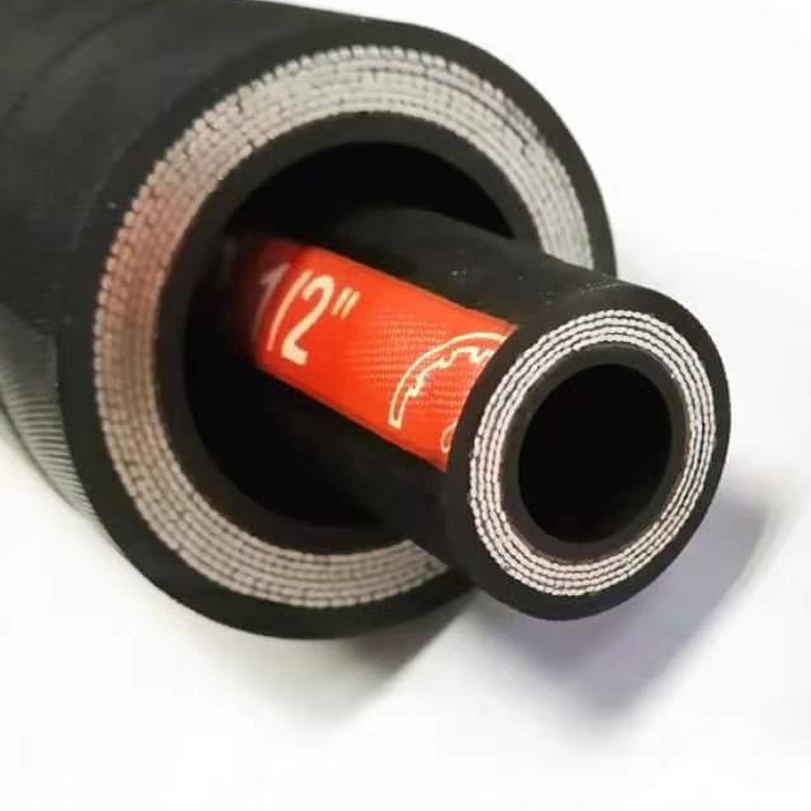
5/8 inch hydraulic hoses are typically constructed from a multi-layered configuration. The inner tube, in direct contact with the hydraulic fluid, is commonly made from synthetic rubbers such as Nitrile (NBR), also known as Buna-N, for general oil-based hydraulic fluids, or Ethylene Propylene Diene Monomer (EPDM) for phosphate ester fluids. NBR offers excellent resistance to petroleum-based fluids, abrasion, and heat, up to approximately 100°C. EPDM provides superior resistance to heat, ozone, and weathering, crucial for outdoor applications. The reinforcement layer is essential for pressure containment. It typically comprises one or more layers of high-tensile steel wire braid or spiral wound steel wire. The number of layers directly correlates with the hose’s working and burst pressure capabilities. A spiral wound construction generally offers higher pressure ratings compared to braided constructions. The outer cover, providing environmental protection, is generally constructed from Chloroprene (CR), also known as Neoprene, which resists abrasion, oil, ozone, and weathering. Manufacturing involves several key steps: Inner tube extrusion, reinforcement layer winding/braiding, outer cover extrusion, and final curing. Parameter control during extrusion (temperature, pressure, screw speed) is critical to ensure consistent wall thickness and material properties. The curing process, typically employing heat and pressure, crosslinks the rubber polymers, enhancing their strength, elasticity, and resistance to degradation. Quality control checkpoints include dimensional verification, pressure testing (hydrostatic and impulse testing), and material analysis to ensure compliance with relevant standards.
Performance & Engineering
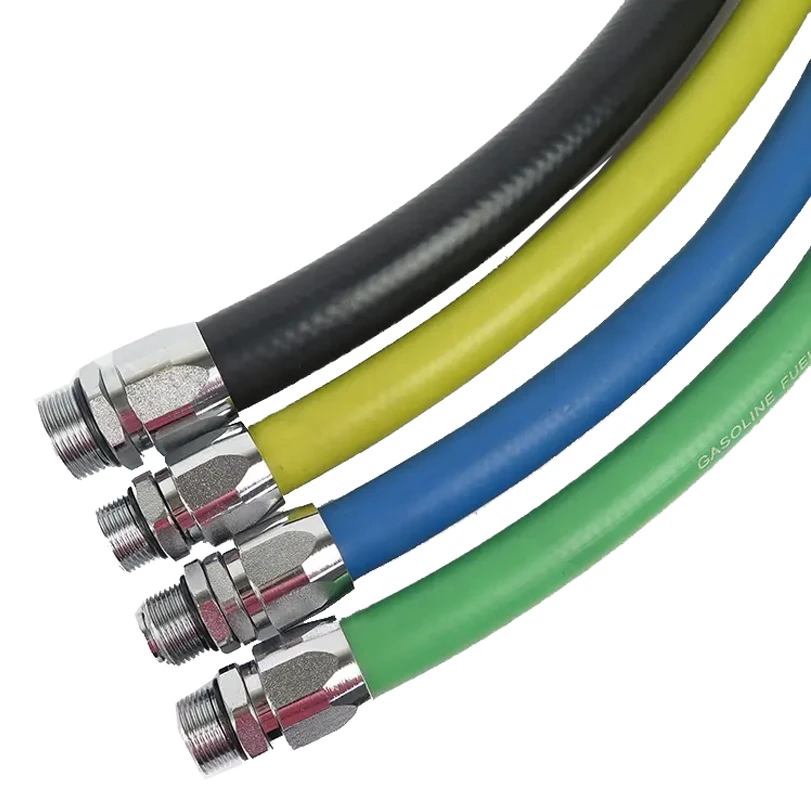
The performance of a 5/8 inch hydraulic hose is governed by several engineering principles. The hose must withstand significant internal pressure, dictated by the hydraulic system’s operating conditions. Force analysis dictates that the reinforcement layer bears the majority of the tensile load resulting from internal pressure. The allowable stress within the steel reinforcement is a primary design constraint. Fatigue resistance is also crucial, as hydraulic systems often experience cyclical pressure fluctuations. Impulse testing simulates these fluctuations to assess the hose’s ability to withstand repeated pressure surges. Environmental resistance is critical; exposure to UV radiation, ozone, temperature extremes, and corrosive fluids can degrade the rubber components. Hose assemblies incorporating fittings introduce additional stress concentrations. Fitting crimping must be precise to ensure a secure mechanical bond without damaging the hose. Compliance requirements, such as those stipulated by SAE J517 (hydraulic hose) and ISO 6898 (hydraulic fluid power - hose assemblies), dictate minimum performance standards for pressure rating, temperature range, and fluid compatibility. Bending radius is another key performance consideration; exceeding the minimum bending radius can induce stress concentrations and premature failure. Proper hose routing and support are essential to minimize bending stress and prevent abrasion.
Technical Specifications
| Parameter | Unit | NBR (Standard Grade) | EPDM (High Temp Grade) |
|---|---|---|---|
| Internal Diameter | inch | 0.625 | 0.625 |
| Working Pressure | psi | 2000 | 2250 |
| Burst Pressure | psi | 8000 | 9000 |
| Temperature Range | °F | -40 to 212 | -40 to 250 |
| Reinforcement | Layers | 2 Wire Braid | 2 Spiral Wire |
| Outer Cover | Material | CR (Neoprene) | CR (Neoprene) |
Failure Mode & Maintenance
Common failure modes for 5/8 inch hydraulic hoses include: Pinholes and cracks in the inner tube due to fluid erosion or chemical attack; reinforcement layer failure due to fatigue or corrosion; cover degradation from UV exposure, ozone cracking, or abrasion; and fitting failures resulting from improper crimping or corrosion. Fatigue cracking typically initiates at stress concentrations, such as near fittings or at sharp bends. Delamination of the hose layers can occur due to inadequate bonding between the layers. Oxidation of the rubber components can lead to embrittlement and cracking. Regular visual inspections are critical for identifying signs of damage, such as cuts, abrasions, bulges, or leaks. Hoses should be replaced immediately if any damage is detected. Periodic pressure testing can verify the hose’s integrity. Proper hose routing and support are essential to prevent abrasion and bending stress. Ensure compatibility between the hose material and the hydraulic fluid; using incompatible fluids can cause rapid degradation. Maintain clean hydraulic fluid to minimize internal erosion. When replacing hoses, use properly crimped fittings and torque them to the manufacturer’s specifications. Avoid exceeding the hose’s maximum working pressure and temperature limits. Implement a preventative maintenance schedule to proactively identify and address potential issues.
Industry FAQ
Q: What is the impact of hydraulic fluid type on hose lifespan?
A: The type of hydraulic fluid significantly impacts hose lifespan. Incompatible fluids can cause swelling, softening, or hardening of the inner tube, leading to premature failure. For example, using petroleum-based fluids with EPDM hoses will lead to rapid degradation. Always confirm fluid compatibility with the hose material (NBR for petroleum-based fluids, EPDM for phosphate ester fluids).
Q: How does temperature affect hose performance and longevity?
A: Temperature extremes degrade hose materials. High temperatures accelerate oxidation and embrittlement, while low temperatures can reduce flexibility and increase the risk of cracking. Exceeding the specified temperature range reduces the hose’s working pressure capacity and significantly shortens its lifespan.
Q: What are the key considerations when selecting a hose reinforcement type (braid vs. spiral)?
A: Braided reinforcement offers good flexibility and is suitable for moderate pressure applications. Spiral reinforcement provides higher pressure capacity and greater resistance to kinking but is less flexible. The choice depends on the system’s operating pressure, bending requirements, and space constraints.
Q: What are the common causes of hose fitting failures?
A: Common causes include improper crimping (too loose or too tight), corrosion of the fitting material, and damage during installation. Ensure fittings are correctly sized for the hose and crimped according to the manufacturer’s specifications. Regular inspection for corrosion and proper torqueing are critical.
Q: How often should hydraulic hoses be replaced as preventative maintenance?
A: Replacement frequency depends on operating conditions and hose usage. A general guideline is to replace hoses every 3-5 years, even if no visible damage is present. However, in harsh environments or with frequent use, more frequent replacement may be necessary. Maintaining detailed records of hose installation dates and usage patterns is vital for scheduling preventative maintenance.
Conclusion
The 5/8 inch hydraulic hose, while seemingly a simple component, plays a crucial role in the reliable operation of hydraulic systems. Understanding the material science, manufacturing processes, performance characteristics, and potential failure modes is paramount for ensuring long-term system performance and safety. Sourcing from reputable Chinese manufacturers, coupled with diligent inspection, proper installation practices, and a proactive maintenance regime, are essential for maximizing hose lifespan and minimizing downtime.
Continuous advancements in rubber technology and manufacturing techniques are leading to the development of hydraulic hoses with enhanced performance capabilities, including increased pressure ratings, improved temperature resistance, and extended service life. Future trends may include the incorporation of smart sensors within the hose assembly to provide real-time monitoring of pressure, temperature, and structural integrity, further enhancing reliability and preventative maintenance capabilities.