
Apr . 01, 2024 17:55 Back to list
china 4sh hydraulic hose supplier Performance Analysis
Introduction
4SH hydraulic hose represents a critical component in fluid power systems across diverse industrial applications. Characterized by its steel wire reinforcement, it delivers superior pressure handling capabilities compared to non-reinforced hoses. Manufactured by suppliers like china 4sh hydraulic hose supplier, these hoses facilitate the reliable transmission of hydraulic fluid in heavy-duty machinery, construction equipment, agricultural implements, and various manufacturing processes. Their robust construction is designed to withstand high pressures, temperature variations, and the demanding operating environments inherent in industrial use. This guide provides an in-depth examination of the materials, manufacturing processes, performance characteristics, failure modes, and industry standards pertaining to 4SH hydraulic hose, focusing on the technical aspects crucial for informed procurement and application.
Material Science & Manufacturing
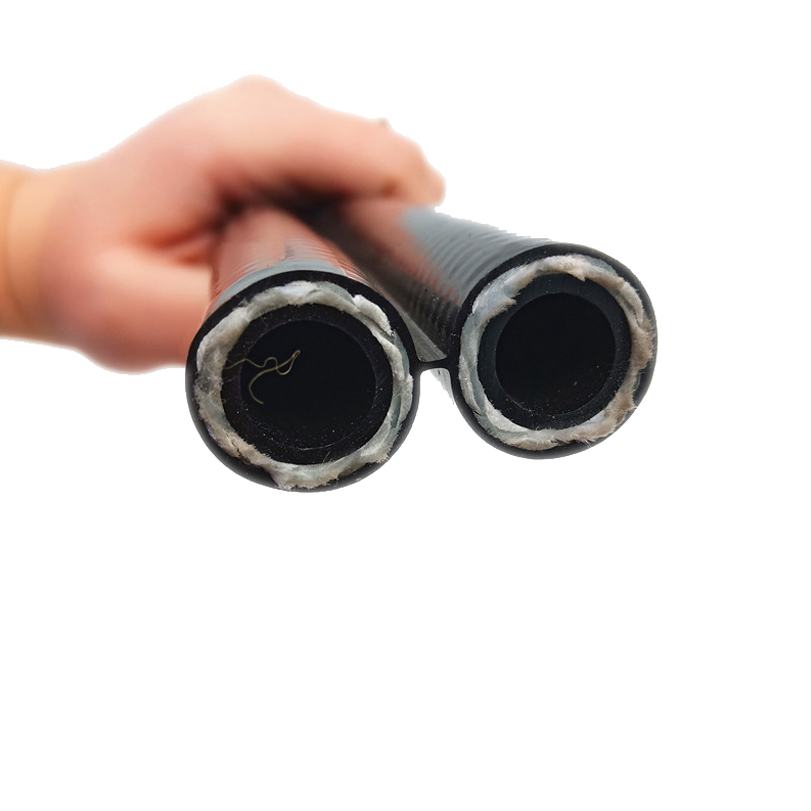
The construction of 4SH hydraulic hose relies on a precise combination of materials and manufacturing techniques. The inner tube is typically composed of oil-resistant synthetic rubber, commonly a nitrile rubber (NBR) blend or a polychloroprene (CR) elastomer, selected for compatibility with a wide range of hydraulic fluids. This layer provides a flexible barrier against fluid leakage and resists degradation from hydraulic oil exposure. The reinforcement layer, the defining characteristic of 4SH hose, consists of multiple helical steel wire braids. The steel wire used is high-tensile strength, typically carbon steel, providing the pressure resistance. The number of braids dictates the hose's maximum working pressure; 4SH designation implies four spiral steel wire layers. An outer cover, often composed of chlorinated polyether (CPE) or a similar synthetic rubber, provides abrasion resistance, weather protection, and resistance to oil and chemicals.
The manufacturing process begins with extrusion of the inner tube to the desired dimensions. The steel wire is then meticulously wound in a helical pattern around the inner tube, with precise tension control to ensure consistent reinforcement. This winding process is critical; improper tension can lead to localized stress concentrations and premature failure. Following reinforcement, the outer cover is extruded over the braided structure. The hose is then vulcanized, a curing process that crosslinks the rubber compounds, imparting elasticity and durability. Key parameters during vulcanization include temperature, pressure, and time. Post-vulcanization, rigorous quality control checks are performed, including pressure testing to ensure compliance with industry standards and leak testing to verify integrity. The crimping of end fittings (ferrules) is a critical final step, requiring specialized equipment and precise calibration to ensure a secure, leak-proof connection.

Performance & Engineering
The performance of 4SH hydraulic hose is governed by several key engineering principles. Pressure rating is paramount; the four steel wire braids contribute significantly to withstanding pressures up to 400 bar (approximately 5800 psi), although specific ratings vary based on manufacturer and hose size. Burst pressure is typically four times the working pressure, providing a safety margin. Fatigue resistance is another critical parameter, influenced by the hose’s ability to withstand repeated pressure cycles without failure. This is affected by wire quality, braid construction, and the integrity of the rubber compounds.
Environmental resistance is also crucial. Exposure to extreme temperatures (both high and low), ozone, UV radiation, and corrosive chemicals can degrade the hose materials. CPE outer covers offer good resistance to weathering and oil, but prolonged exposure can still lead to cracking and loss of flexibility. Hose bend radius is a critical engineering consideration. Exceeding the minimum bend radius can induce stress on the reinforcement layers, leading to premature failure. Proper hose routing and support are essential to prevent kinking and abrasion. Compliance with industry standards (detailed in the footer) dictates testing procedures for these performance characteristics, ensuring consistent quality and safety.
Technical Specifications
| Parameter | Unit | Typical Value (DN20/1/2") | Typical Value (DN50/2") |
|---|---|---|---|
| Working Pressure | bar | 315 | 315 |
| Burst Pressure | bar | 1260 | 1260 |
| Temperature Range | °C | -40 to +100 | -40 to +100 |
| Inner Tube Material | - | NBR | NBR |
| Reinforcement | layers | 4 Spiral Steel Wire | 4 Spiral Steel Wire |
| Outer Cover Material | - | CPE | CPE |
Failure Mode & Maintenance
4SH hydraulic hose is subject to several potential failure modes. Fatigue cracking, originating at stress concentration points (e.g., near end fittings or sharp bends), is a common failure mechanism resulting from repeated pressure cycles. Wire breakage within the reinforcement layer can lead to a sudden loss of pressure capacity and catastrophic failure. Rubber degradation, caused by exposure to heat, ozone, or incompatible hydraulic fluids, can result in cracking, hardening, and loss of flexibility. Abrasion damage to the outer cover exposes the reinforcement layers to corrosion and accelerates failure. Improper crimping of end fittings is a frequent cause of leaks.
Preventative maintenance is crucial for extending hose life. Regular visual inspections should be conducted to identify signs of cracking, abrasion, or swelling. Hose routing should be optimized to minimize bending and abrasion. Hydraulic fluid should be regularly analyzed to ensure compatibility with hose materials and to identify contamination. End fittings should be inspected for corrosion and proper crimping. Damaged hoses should be replaced immediately. Avoid exceeding the minimum bend radius. Proper storage is also essential; hoses should be stored in a cool, dry place away from direct sunlight and ozone sources. Periodic pressure testing can help identify potential weaknesses before they lead to failure. China 4sh hydraulic hose supplier recommends following manufacturer guidelines for maintenance schedules and procedures.
Industry FAQ
Q: What is the impact of hydraulic fluid type on 4SH hose lifespan?
A: The compatibility of the hydraulic fluid with the hose’s inner tube material (typically NBR) is critical. Using an incompatible fluid can cause swelling, softening, or degradation of the rubber, leading to leaks and premature failure. Ensure the fluid meets the specifications outlined by the hose manufacturer.
Q: How does temperature affect the performance of 4SH hose?
A: Exposure to extreme temperatures (both high and low) can significantly impact hose performance. High temperatures accelerate rubber degradation, while low temperatures can reduce flexibility and increase the risk of cracking. Always operate the hose within its specified temperature range.
Q: What are the primary causes of hose kinking and how can it be prevented?
A: Kinking occurs when the hose is bent beyond its minimum bend radius, causing internal stress and potentially damaging the reinforcement layers. Prevent kinking by ensuring proper hose routing, using appropriate support structures, and avoiding sharp bends.
Q: What is the significance of the '4' in '4SH' hydraulic hose?
A: The '4' in 4SH designates the number of spiral steel wire reinforcement layers within the hose construction. More layers equate to a higher pressure rating and increased strength.
Q: What are the best practices for crimping end fittings onto 4SH hose?
A: Proper crimping is essential for a leak-proof connection. Use a calibrated crimping machine and the correct die set for the hose size and fitting type. Follow the manufacturer’s crimping specifications precisely. Inspect the crimped connection for any signs of damage or looseness.
Conclusion
4SH hydraulic hose represents a robust and reliable solution for high-pressure fluid power applications. Its multi-layered construction, utilizing high-strength steel wire reinforcement and compatible rubber compounds, delivers exceptional performance and durability. Understanding the material science, manufacturing processes, performance characteristics, and potential failure modes is essential for selecting the appropriate hose for a given application and implementing effective preventative maintenance programs. Careful consideration of operating parameters such as pressure, temperature, and fluid compatibility is crucial for maximizing hose lifespan and ensuring system reliability.
The continued advancement of hydraulic hose technology focuses on developing materials with improved temperature resistance, chemical compatibility, and abrasion resistance. Future innovations may include the incorporation of smart sensors for real-time monitoring of hose condition and predictive maintenance capabilities. Selecting a reputable supplier like china 4sh hydraulic hose supplier, committed to quality control and adherence to international standards, is paramount for ensuring the integrity and safety of hydraulic systems.