
Apr . 01, 2024 17:55 Back to list
china 19mm hydraulic hose suppliers Performance Analysis
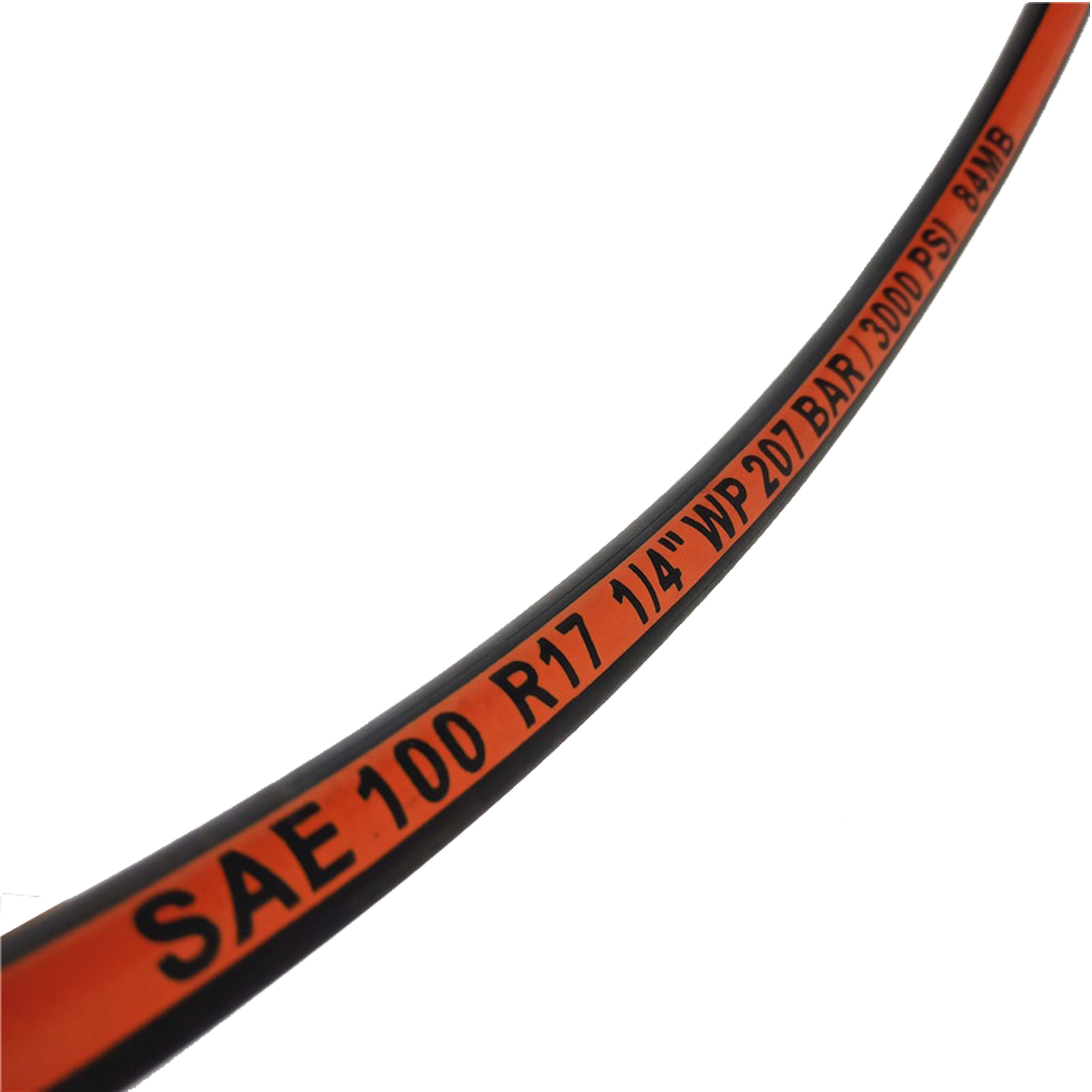
Introduction
19mm hydraulic hose, produced extensively by suppliers in China, represents a critical component within fluid power systems across a diverse range of industries including construction, agriculture, manufacturing, and automotive. These hoses are engineered to transmit hydraulic fluid under high pressure, facilitating the operation of hydraulic machinery. The prevalence of Chinese manufacturers stems from their capacity for large-scale production, competitive pricing, and increasing adherence to international quality standards. This guide provides a comprehensive technical overview of 19mm hydraulic hose, focusing on material science, manufacturing processes, performance characteristics, failure modes, and relevant industry standards. A key pain point for procurement managers is ensuring consistent quality and adherence to specifications, given the variability in the Chinese manufacturing landscape. Another challenge lies in understanding the limitations of different hose constructions in specific application environments, especially regarding temperature, chemical compatibility, and abrasion resistance. Finally, long-term cost of ownership, incorporating maintenance and potential failure consequences, is a primary concern.
Material Science & Manufacturing
The core construction of a 19mm hydraulic hose typically involves four key layers: the inner tube, reinforcement layer(s), and the outer cover. The inner tube is commonly composed of synthetic rubbers specifically chosen for fluid compatibility and flexibility. Nitrile Rubber (NBR) is the most prevalent material due to its excellent resistance to petroleum-based hydraulic fluids, with operating temperature ranges generally between -40°C to +100°C. For phosphate ester fluids, Ethylene Propylene Diene Monomer (EPDM) is frequently utilized, offering a wider temperature range (-54°C to +150°C) but reduced oil resistance. Fluorocarbon (FKM/Viton) provides superior chemical resistance and temperature stability (-40°C to +200°C) but at a significantly higher cost. The reinforcement layer provides the hose's pressure handling capability. High-tensile steel wire is the most common reinforcement, spirally wound to withstand internal pressure. The number of wire layers directly correlates to the hose’s working pressure rating. Textile braid reinforcement, typically polyester or aramid fiber, offers greater flexibility and is used in lower-pressure applications. The outer cover, typically made of Chloroprene (CR) rubber, protects the reinforcement layers from abrasion, ozone, and weathering. Manufacturing involves extrusion of the inner tube and outer cover, followed by the winding of the reinforcement layer. Precise control of extrusion temperatures, wire tension during winding, and curing processes are crucial for ensuring consistent hose performance. Variations in rubber compound formulations, wire gauge, and braid density significantly impact the final product's properties.
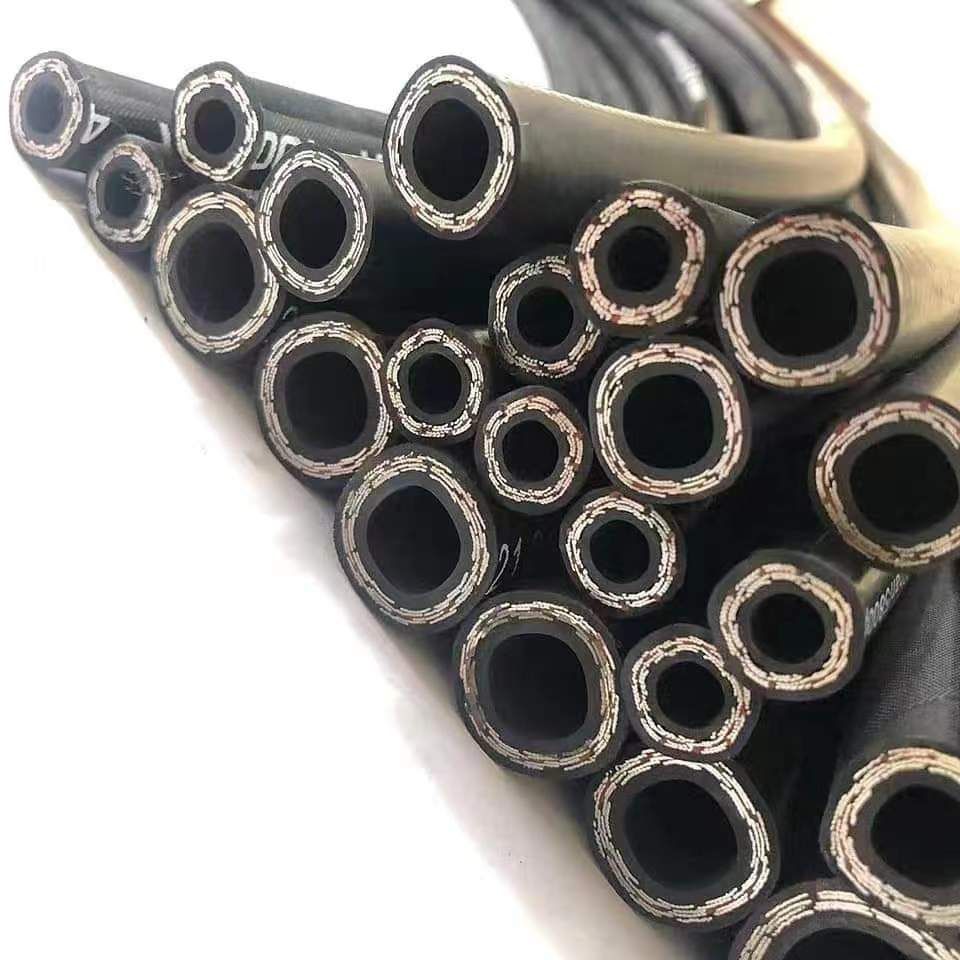
Performance & Engineering
The performance of a 19mm hydraulic hose is dictated by several key engineering parameters. Burst pressure, working pressure, and impulse pressure are critical ratings determined through rigorous testing. Burst pressure represents the maximum pressure the hose can withstand before rupture, while working pressure is a fraction of the burst pressure (typically 75%) representing the safe operating limit. Impulse pressure refers to the hose's ability to withstand pressure spikes and fluctuations. Hose diameter influences flow rate and pressure drop; a 19mm internal diameter offers a balance between flow capacity and flexibility. Bend radius is another important consideration. Exceeding the minimum bend radius can cause kinking, restricting flow and potentially damaging the reinforcement layers. Environmental factors significantly impact performance. Exposure to high temperatures can degrade the rubber compounds, reducing flexibility and increasing the risk of failure. Exposure to UV radiation can cause the outer cover to crack and become brittle. Chemical exposure can lead to swelling or degradation of the inner tube, compromising fluid compatibility. Finite Element Analysis (FEA) is commonly used during the design phase to optimize hose geometry and reinforcement configurations for specific application requirements, accounting for stress concentrations and fatigue life.
Technical Specifications
| Parameter | Unit | Standard Specification | Typical Range (China 19mm Hydraulic Hose) |
|---|---|---|---|
| Inner Diameter | mm | ISO 3864 | 19 ± 0.5 |
| Working Pressure | MPa | SAE J517 | 16 – 35 |
| Burst Pressure | MPa | SAE J517 | 48 – 105 |
| Temperature Range | °C | EN 853 | -40 to +100 (NBR), -54 to +150 (EPDM), -40 to +200 (FKM) |
| Reinforcement Type | - | ISO 3864 | Spiral Steel Wire (1SP, 2SP, 4SP), Textile Braid |
| Outer Cover Material | - | SAE J517 | Chloroprene Rubber (CR) |
Failure Mode & Maintenance
Common failure modes in 19mm hydraulic hoses include burst failure, kink failure, abrasion damage, and degradation due to fluid incompatibility or environmental exposure. Burst failures typically occur due to exceeding the working pressure or fatigue weakening of the reinforcement layers. Kink failures arise from excessive bending, causing localized stress concentrations and eventual rupture. Abrasion damage results from external contact with abrasive surfaces, leading to wear of the outer cover and subsequent degradation of the reinforcement layers. Fluid incompatibility can cause the inner tube to swell, soften, or crack, leading to leaks and reduced performance. Preventive maintenance is crucial for maximizing hose lifespan and preventing catastrophic failures. Regular visual inspections should be conducted to check for signs of wear, cracks, kinks, or leaks. Hose routing should be optimized to minimize bending and abrasion. Fluid contamination should be minimized through the use of filters. Hose assemblies should be replaced at recommended intervals, even if no visible damage is present. Proper storage conditions, avoiding direct sunlight and extreme temperatures, are also important. Failure analysis should be conducted on failed hoses to determine the root cause and prevent recurrence. Common techniques include microscopic examination of the fractured surfaces and chemical analysis of the rubber compounds.
Industry FAQ
Q: What is the difference between 1SP, 2SP, and 4SP reinforcement in a 19mm hydraulic hose?
A: The "SP" designation refers to Spiral reinforcement. The number preceding "SP" indicates the number of steel wire spirals used in the reinforcement layer. 1SP hoses have a single spiral and are suitable for lower pressure applications (typically up to 16 MPa). 2SP hoses have two spirals and offer increased pressure capacity (up to 25 MPa). 4SP hoses utilize four spirals, providing the highest pressure rating (up to 35 MPa or higher) and are used in demanding applications.
Q: How does temperature affect the performance of a nitrile rubber (NBR) hydraulic hose?
A: NBR rubber exhibits reduced flexibility and increased hardness at low temperatures, increasing the risk of kinking. At high temperatures, NBR can soften and swell, potentially leading to leaks. Prolonged exposure to temperatures exceeding 100°C will accelerate degradation and shorten the hose’s lifespan. Selection of a different rubber compound (EPDM or FKM) may be necessary for applications involving extreme temperatures.
Q: What is the significance of the SAE J517 standard?
A: SAE J517 is a widely recognized industry standard that defines the performance characteristics and testing procedures for hydraulic hoses. It specifies requirements for working pressure, burst pressure, impulse pressure, temperature range, and fluid compatibility. Compliance with SAE J517 ensures that the hose meets minimum safety and performance requirements.
Q: How can I identify a hose that is compatible with phosphate ester hydraulic fluid?
A: Phosphate ester fluids are not compatible with NBR rubber. Hoses intended for use with phosphate ester fluids must be constructed with EPDM rubber for the inner tube. The hose marking should clearly indicate compatibility with phosphate ester fluids, or the manufacturer's datasheet should be consulted.
Q: What preventative measures can be taken to extend the lifespan of a hydraulic hose assembly?
A: Implement a regular inspection schedule, optimize hose routing to minimize bending and abrasion, ensure proper fluid cleanliness through filtration, utilize appropriate hose guards to protect against external damage, and adhere to recommended replacement intervals. Avoid over-bending or twisting the hose during installation and operation.
Conclusion
The selection and implementation of appropriate 19mm hydraulic hoses from Chinese suppliers demands a comprehensive understanding of material science, manufacturing processes, and performance characteristics. Maintaining consistent quality requires rigorous supplier vetting and adherence to recognized industry standards such as SAE J517 and ISO 3864. Addressing common failure modes through preventative maintenance and proper operating practices is critical for maximizing hose lifespan and ensuring the reliable operation of hydraulic systems.
Looking forward, advancements in hose technology will likely focus on developing more durable and chemically resistant rubber compounds, optimizing reinforcement configurations for improved pressure handling and fatigue life, and incorporating smart sensing technologies for real-time monitoring of hose condition. Procurement strategies should prioritize long-term cost of ownership, considering not only the initial purchase price but also the costs associated with maintenance, downtime, and potential failures.