
Apr . 01, 2024 17:55 Back to list
china 19mm hydraulic hose supplier Technical Analysis
Introduction
19mm hydraulic hose, produced by suppliers in China, represents a critical component in fluid power systems across a diverse range of industries, including construction, agriculture, manufacturing, and automotive. Its function is to reliably transmit hydraulic fluid, enabling the operation of hydraulic machinery. This guide provides an in-depth technical analysis of these hoses, encompassing material science, manufacturing processes, performance characteristics, potential failure modes, and relevant industry standards. The core performance metrics of a 19mm hydraulic hose are defined by its pressure rating, temperature range, and resistance to chemical attack and abrasion. A key pain point for end-users is ensuring consistent quality and adherence to specifications, particularly when sourcing from international suppliers. This document aims to provide the technical rigor needed for informed procurement and application decisions. The 19mm designation refers to the inner diameter, a critical factor in determining flow rate and pressure drop within the system. Successful implementation hinges on proper hose selection based on the operating conditions and fluid compatibility.
Material Science & Manufacturing
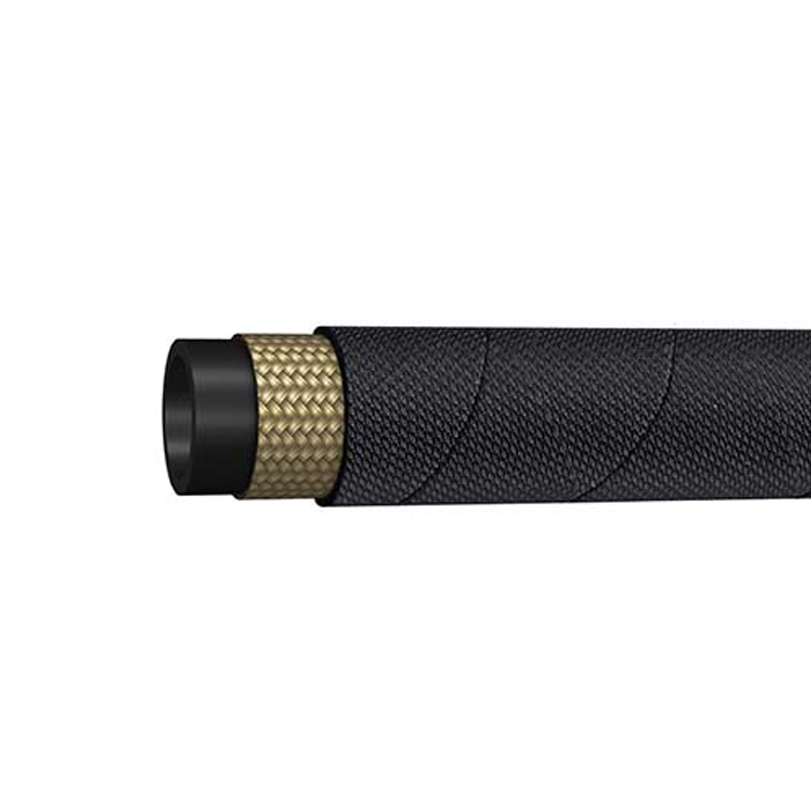
The construction of a 19mm hydraulic hose typically involves four primary layers: the inner tube, reinforcement layers, and the outer cover. The inner tube is commonly composed of synthetic rubber, specifically nitrile rubber (NBR), for its excellent oil resistance. Alternatives include ethylene propylene diene monomer (EPDM) for phosphate ester fluids and fluorocarbon rubber (FKM) for aggressive chemical environments. NBR exhibits a Shore A hardness typically between 50-70, determining its flexibility and resistance to permeation. The reinforcement layer is crucial for withstanding internal pressure. This layer usually consists of multiple plies of high-tensile steel wire, spirally wound or braided. The wire gauge and ply count directly influence the hose’s burst pressure. A typical steel wire used is SAE 1008, offering a balance of strength and ductility. The outer cover provides environmental protection and abrasion resistance. Materials commonly used include chloroprene rubber (CR) or a blend of CR and NBR. Manufacturing involves extrusion of the inner tube and outer cover, followed by precise winding or braiding of the reinforcement layers. Curing (vulcanization) is a critical process, performed under controlled temperature and pressure, to achieve the desired physical properties. Quality control includes dimensional checks, pressure testing, and destructive testing (burst pressure tests) to verify compliance with specifications. A critical parameter during extrusion is maintaining consistent wall thickness to avoid stress concentrations and premature failure.
Performance & Engineering
The performance of a 19mm hydraulic hose is primarily governed by its ability to withstand internal pressure without failure. Burst pressure is a critical parameter, typically exceeding the working pressure by a safety factor of 4:1. The hose must also maintain its integrity across a specified temperature range, typically -40°C to +100°C, depending on the application and fluid type. Force analysis involves calculating hoop stress within the hose wall under pressure, ensuring it remains below the material's tensile strength. Environmental resistance is paramount, including resistance to ozone, UV radiation, and various chemicals. Hose assemblies also require proper fitting selection and crimping to ensure a leak-proof connection. The crimp strength must be sufficient to prevent slippage or blow-off under pressure. Compliance requirements vary by region, with SAE J517 being a common standard in North America and EN 853/857 in Europe. Twisting and kinking significantly reduce the hose's lifespan and should be avoided through proper routing and support. The bend radius is a critical engineering parameter; exceeding the minimum bend radius introduces stress concentrations and accelerates fatigue failure. Proper hose guarding is essential to prevent abrasion and damage from external factors.
Technical Specifications
| Parameter | Unit | SAE J517 R1AT | EN 853 1SN |
|---|---|---|---|
| Inner Diameter | mm | 19.05 ± 0.15 | 19 ± 0.15 |
| Working Pressure | MPa | 20.7 | 16 |
| Burst Pressure | MPa | 82.7 | 64 |
| Temperature Range | °C | -40 to +100 | -40 to +100 |
| Reinforcement | - | Single Steel Wire Braid | Single Steel Wire Braid |
| Cover Material | - | Chloroprene Rubber (CR) | Chloroprene Rubber (CR) |
Failure Mode & Maintenance
Common failure modes for 19mm hydraulic hoses include fatigue cracking, burst failure, pinhole leaks, and degradation of the rubber compound. Fatigue cracking typically occurs due to repeated flexing and pressure cycling, initiating at stress concentration points such as at the crimp fitting or within the hose wall itself. Burst failure is a catastrophic event resulting from exceeding the hose’s pressure rating. Pinhole leaks can develop due to abrasion, chemical attack, or internal corrosion. Rubber degradation is caused by exposure to ozone, UV radiation, extreme temperatures, and incompatible fluids. Regular visual inspection is crucial, looking for cracks, abrasions, swelling, or discoloration. Hose assemblies should be replaced if any signs of damage are detected. Proper storage is essential; hoses should be stored in a cool, dry, dark environment, away from direct sunlight and ozone sources. Avoid kinking and twisting during installation and operation. Periodically check the crimp connections for tightness and integrity. Fluid contamination can significantly accelerate hose failure; implementing proper filtration is essential. If the hose is exposed to extreme temperatures or aggressive chemicals, consider using a hose with a more resistant inner tube and cover material.
Industry FAQ
Q: What is the impact of pulse pressure on hydraulic hose life?
A: Pulse pressure, the fluctuation in pressure within the hydraulic system, significantly reduces hose life. Each pressure pulse creates dynamic stress within the hose wall, accelerating fatigue failure. Hoses designed for pulsating systems often incorporate specialized construction features, such as thicker reinforcement layers and anti-collapse rings, to mitigate these effects.
Q: How does fluid compatibility affect hose selection?
A: Incorrect fluid compatibility can lead to severe hose degradation. Different hydraulic fluids have varying chemical compositions, and some can cause the rubber compound to swell, soften, or crack. Always verify that the hose’s inner tube material is compatible with the hydraulic fluid being used. Refer to fluid resistance charts provided by hose manufacturers.
Q: What are the best practices for hose routing to prevent damage?
A: Proper hose routing is critical for maximizing hose lifespan. Avoid sharp bends, kinking, and twisting. Provide adequate support to prevent abrasion and impact damage. Maintain sufficient clearance between the hose and moving parts. Use hose guards where necessary to protect against external hazards.
Q: What is the significance of the hose’s layline markings?
A: The layline markings on the hose provide crucial information, including the manufacturer's name, hose type, manufacturing date, and working pressure. This information is essential for traceability and identifying potential issues. It also allows for proper identification during maintenance and replacement.
Q: What considerations are important when selecting fittings for a 19mm hydraulic hose?
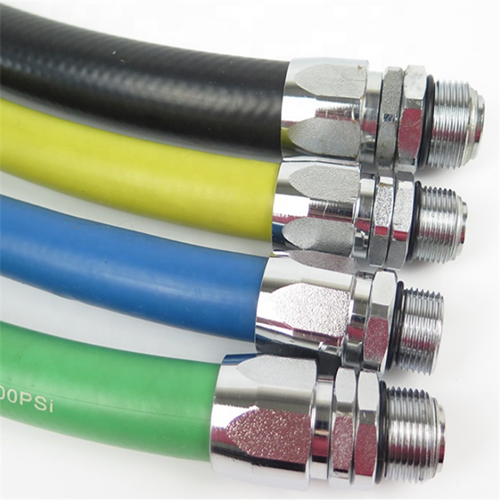
A: Fittings must be specifically designed for hydraulic hose applications and compatible with the hose’s material and pressure rating. The fitting’s thread type, angle, and crimp size must match the hose’s specifications. Improper fitting selection can lead to leaks, blow-off, and catastrophic failure. Always use fittings from reputable manufacturers and ensure they are properly crimped using calibrated tooling.
Conclusion
The selection and implementation of 19mm hydraulic hoses necessitate a thorough understanding of material science, manufacturing processes, performance characteristics, and potential failure modes. Sourcing from reputable China suppliers requires diligent verification of adherence to international standards and consistent quality control procedures. Prioritizing proper installation, maintenance, and fluid compatibility are paramount to ensuring reliable operation and maximizing service life.
Future trends in hydraulic hose technology include the development of advanced materials with improved chemical resistance and temperature stability, as well as the integration of sensor technology for real-time monitoring of hose condition. Continued advancements in manufacturing techniques will further enhance hose durability and performance. A proactive approach to hose management, based on sound engineering principles, will remain critical for maintaining the integrity and efficiency of hydraulic systems.