
Apr . 01, 2024 17:55 Back to list
china 19mm hydraulic hose manufacturers Performance Analysis
Introduction
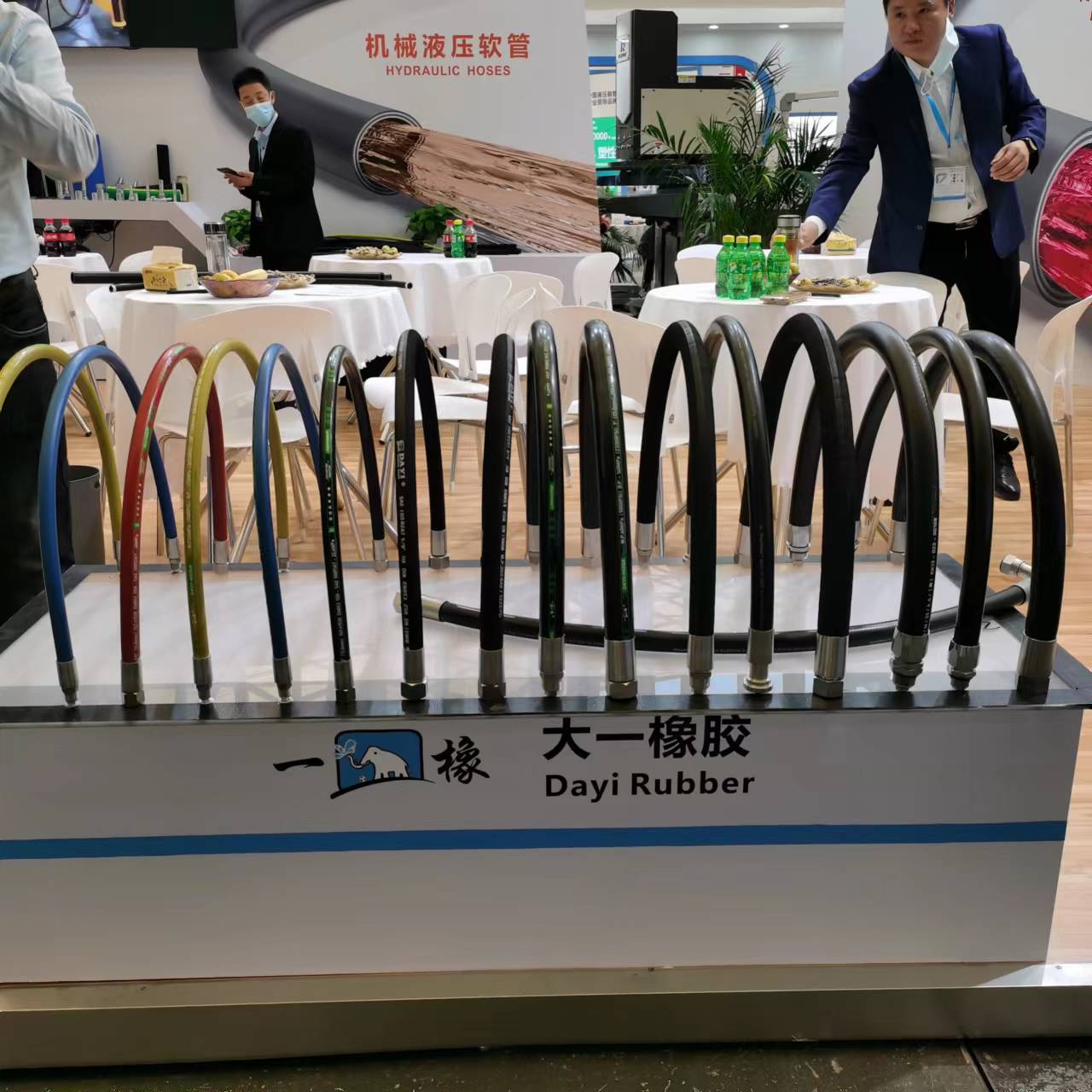
19mm hydraulic hoses manufactured in China represent a significant component in fluid power systems across a diverse range of industries, including construction equipment, agricultural machinery, industrial manufacturing, and material handling. These hoses are integral to transmitting hydraulic fluid, enabling the operation of actuators, motors, and other hydraulic components. The increasing demand for efficient and reliable hydraulic systems has driven substantial growth in the Chinese manufacturing sector specializing in these hoses. This guide provides an in-depth technical examination of 19mm hydraulic hose manufacturing, encompassing material science, production processes, performance characteristics, failure analysis, and relevant industry standards. The core performance revolves around burst pressure, working pressure, temperature resistance, and fluid compatibility, all critical for safe and effective operation. A primary pain point within the industry is ensuring consistent quality control across various manufacturers, alongside maintaining compliance with increasingly stringent international safety and environmental regulations. Further complicating matters is the need for specialized materials to withstand aggressive fluids and extreme operating conditions.
Material Science & Manufacturing
The core material for 19mm hydraulic hoses is typically a synthetic rubber compound, most commonly utilizing a combination of nitrile rubber (NBR) for oil resistance and other polymers such as chloroprene rubber (CR) for improved weather resistance and flexibility. Reinforcement layers are critical and commonly employ high-tensile steel wire, often spiraled or braided, to provide the necessary pressure-withstanding capabilities. Inner tube compounds require careful formulation to ensure compatibility with a wide range of hydraulic fluids, including mineral oils, synthetic esters, and phosphate esters. The manufacturing process begins with the extrusion of the inner tube, followed by the application of reinforcement layers. The reinforcement is applied using precision winding or braiding machines. A cover layer, typically composed of abrasion and weather-resistant synthetic rubber, is then extruded over the reinforcement. Critical parameters during extrusion include temperature control (typically 140-180°C for NBR) to ensure proper polymer flow and bonding, screw speed to maintain consistent material density, and die design to achieve the correct inner diameter and wall thickness. Curing is performed using vulcanization techniques, commonly employing steam or hot air at temperatures ranging from 150-170°C, and cure times determined by compound formulation and hose diameter. Post-curing inspection includes dimensional checks, pressure testing, and visual inspection for defects such as pinholes or inclusions. The steel wire used is typically carbon steel, requiring surface treatment (zinc coating) to prevent corrosion. The bonding agent between the rubber and steel is crucial; typically an adhesive based on resorcinol-formaldehyde is used. Achieving optimal adhesion necessitates strict control of surface preparation and adhesive application parameters.
Performance & Engineering
The primary engineering concern for 19mm hydraulic hoses is their ability to withstand high internal pressures without failure. Force analysis focuses on hoop stress within the hose wall, calculated using the Barlow’s formula (σ = PD/2t, where P is pressure, D is diameter, and t is wall thickness). Reinforcement layers are engineered to provide sufficient tensile strength to counteract this hoop stress. Environmental resistance is also critical. Exposure to elevated temperatures can degrade rubber compounds, reducing their elasticity and burst pressure. Operating temperatures typically range from -40°C to +100°C, depending on the compound formulation. Chemical compatibility is paramount, as exposure to incompatible fluids can cause swelling, softening, or degradation of the inner tube. Static and dynamic fatigue life are assessed through cyclical pressure testing, simulating real-world operating conditions. Compliance requirements are dictated by standards such as SAE J517 and EN 853, which specify minimum burst pressure, working pressure, and temperature ratings. Fitting selection and installation are critical components of performance. Improperly crimped fittings can create stress concentrations, leading to premature failure. The angle of bend and the radius of curvature significantly impact hose life; exceeding recommended bend radii induces stress on the reinforcement layers. The hose assembly must also be designed to minimize torsional stress, as twisting can weaken the reinforcement and cause leaks.
Technical Specifications
| Parameter | Unit | SAE J517 - R1AT | EN 853 - 1SN |
|---|---|---|---|
| Inner Diameter | mm | 19.0 ± 0.5 | 19.0 ± 0.3 |
| Working Pressure | MPa | 20.7 | 20 |
| Burst Pressure | MPa | 82.7 | 80 |
| Temperature Range | °C | -40 to +100 | -40 to +100 |
| Reinforcement | - | Single High-Tensile Steel Wire Braid | Single High-Tensile Steel Wire Braid |
| Cover Material | - | Synthetic Rubber (Abrasion & Weather Resistant) | Synthetic Rubber (Abrasion & Weather Resistant) |
Failure Mode & Maintenance
Common failure modes for 19mm hydraulic hoses include burst failure due to exceeding the working pressure, fatigue cracking from cyclical pressure and bending, and degradation of the rubber compound due to exposure to heat, chemicals, or UV radiation. Pinholes in the inner tube can occur due to manufacturing defects or abrasion from fluid contaminants. Delamination between the rubber and reinforcement layers can occur if the bonding agent fails or if improper curing techniques are employed. Oxidation of the steel wire reinforcement can lead to corrosion and a reduction in tensile strength. Failure analysis often involves microscopic examination of the fracture surface to identify the root cause. Fatigue cracking typically exhibits ratchet marks, while burst failures appear smooth and perpendicular to the hose axis. Maintenance procedures include regular visual inspection for signs of wear, cracking, or leakage. Hose assemblies should be replaced if any damage is detected. Proper fluid filtration is essential to remove contaminants that can accelerate wear. Hose assemblies should be stored in a cool, dry place away from direct sunlight and ozone sources. Periodic pressure testing can help identify hoses that are nearing the end of their service life. The implementation of a preventative maintenance schedule that incorporates regular inspections and timely replacements is crucial for ensuring the safe and reliable operation of hydraulic systems. When replacing hoses, it's imperative to use fittings appropriate for the hose type and fluid being conveyed.
Industry FAQ
Q: What is the impact of fluid velocity on the lifespan of a 19mm hydraulic hose?
A: Increased fluid velocity can significantly reduce hose lifespan. Higher velocities exacerbate erosion from particulate contamination, creating abrasive wear on the inner tube. Furthermore, increased velocity generates more heat, which can accelerate degradation of the rubber compound. Maintaining appropriate fluid velocity, typically within the range of 1.5-3.0 m/s, is critical for maximizing hose service life.
Q: How does hose layline marking contribute to safety and traceability?
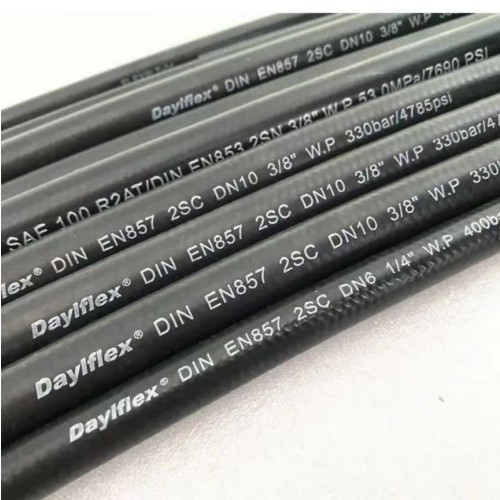
A: Hose layline markings provide critical information about the hose’s manufacturer, production date, working pressure, and hose type. This allows for easy identification and traceability in case of failures or recalls. Proper layline markings also help ensure that the hose is used within its specified operating parameters, enhancing safety.
Q: What is the significance of the 'dash size' in hydraulic hose nomenclature (e.g., -6, -8)?
A: The 'dash size' refers to the hose’s internal diameter in sixteenths of an inch. For example, a -6 hose has a 6/16 inch (approximately 9.5mm) internal diameter, while a -8 hose has an 8/16 inch (approximately 12.7mm) internal diameter. Accurate dash size selection is vital for maintaining proper flow rates and minimizing pressure drop in the hydraulic system.
Q: What are the best practices for storing hydraulic hoses to prevent premature degradation?
A: Hydraulic hoses should be stored in a cool, dry, and well-ventilated area, away from direct sunlight, ozone sources (such as electric motors), and extreme temperatures. Hoses should be coiled loosely to avoid kinking or stressing the reinforcement layers. Avoid storing hoses directly on concrete floors, as this can promote moisture absorption and accelerate degradation.
Q: What is the role of spiral versus braided reinforcement in 19mm hydraulic hoses?
A: Braided reinforcement offers a more flexible hose with greater resistance to kinking, making it suitable for applications with tight bend radii. Spiral reinforcement provides higher pressure ratings and greater resistance to torsional stress, ideal for applications requiring high flow rates and minimal twisting. The choice between spiral and braided reinforcement depends on the specific application requirements and operating conditions.
Conclusion
The manufacture of 19mm hydraulic hoses in China is a technically demanding process requiring precise control over material selection, manufacturing parameters, and quality assurance procedures. Understanding the interplay between material science, engineering principles, and industry standards is critical for producing hoses that meet the stringent performance and safety requirements of modern hydraulic systems. The consistent achievement of optimal burst pressure, temperature resistance, and fluid compatibility dictates the reliability and longevity of these components.
Looking ahead, the industry is likely to see increased adoption of advanced materials, such as thermoplastic hoses, offering superior chemical resistance and reduced weight. Furthermore, the development of smart hoses with integrated sensors for real-time pressure and temperature monitoring will enhance preventative maintenance and improve system performance. Continued adherence to international standards and a commitment to quality control will be essential for maintaining the competitiveness of Chinese manufacturers in the global hydraulic hose market.