
Apr . 01, 2024 17:55 Back to list
china 19mm hydraulic hose factory Performance Analysis
Introduction
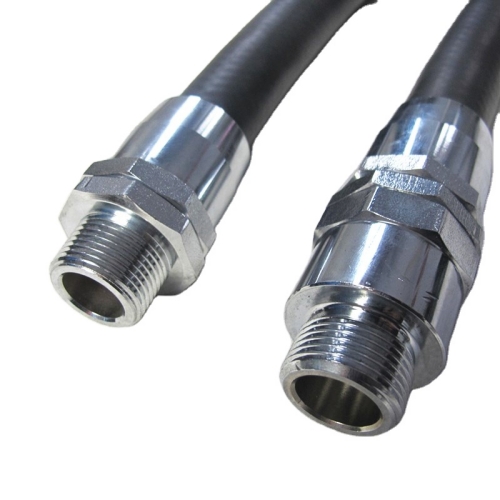
19mm hydraulic hose, manufactured in China, represents a critical component in fluid power systems across diverse industrial applications. These hoses are integral to transmitting hydraulic fluid, enabling the operation of heavy machinery, construction equipment, agricultural machinery, and various other hydraulic systems. The technical position within the industry chain is as a Tier 2 or Tier 3 component, supplied to Original Equipment Manufacturers (OEMs) and aftermarket distributors. Core performance characteristics center around burst pressure, working pressure, temperature resistance, fluid compatibility, and dimensional accuracy. Modern 19mm hydraulic hoses are increasingly engineered with synthetic rubber reinforcement – typically steel wire braid – to withstand high-pressure applications and provide long-term durability. This guide provides an in-depth analysis of their material science, manufacturing, performance parameters, failure modes, and relevant industry standards.
Material Science & Manufacturing
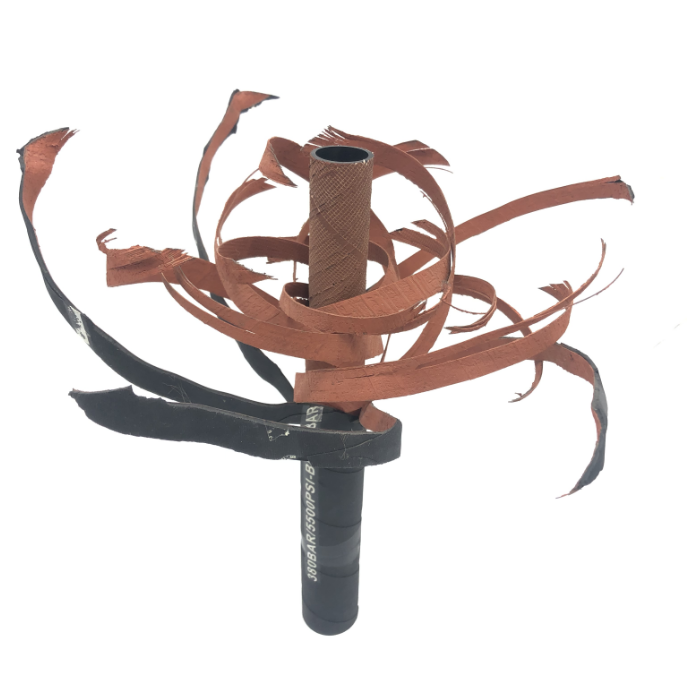
The construction of a 19mm hydraulic hose involves several key materials and processes. The inner tube is typically composed of nitrile rubber (NBR) for oil-based fluids, or ethylene propylene diene monomer (EPDM) for compatibility with water-glycol and other fluids. NBR offers excellent resistance to petroleum-based oils, fuels, and hydraulic fluids, with a temperature range of -40°C to +120°C. EPDM provides superior resistance to heat, ozone, and weathering, suitable for applications in harsh environments. Reinforcement layers usually consist of high-tensile steel wire braided in a spiral configuration. The number of braids directly correlates with the hose’s pressure rating. The outer cover is typically made of chloroprene rubber (CR), known for its abrasion, ozone, and weathering resistance. Manufacturing begins with the extrusion of the inner tube, followed by the application of reinforcement layers through a winding process. The outer cover is then extruded over the reinforcement. Key parameter control during manufacturing includes precise temperature regulation during extrusion, consistent braid tension, and accurate dimensional control of the inner diameter. Post-manufacturing testing includes burst pressure testing, impulse testing, and leak testing to ensure compliance with safety standards. Rubber compounds are meticulously formulated, with additives controlling viscosity, curing rate, and final material properties like tensile strength and elongation at break. Consistency in raw material sourcing and rigorous quality control are crucial.
Performance & Engineering
The performance of a 19mm hydraulic hose is governed by several engineering principles. Force analysis is critical in determining the hose’s ability to withstand internal pressure. The hoop stress within the hose wall is calculated using the thin-walled cylinder formula (σ = Pr/t, where P is pressure, r is radius, and t is wall thickness). The reinforcement layer bears the majority of this stress. Impulse testing simulates pressure surges and fluctuations within the system, evaluating the hose’s resistance to fatigue failure. Environmental resistance is paramount, with considerations for temperature extremes, UV exposure, and chemical compatibility. Hydraulic fluid compatibility is a major concern; using an incompatible fluid can lead to swelling, degradation, and ultimately, hose failure. Compliance requirements vary by region but generally adhere to standards like SAE J517, EN 853, and DIN EN 489. Functional implementation necessitates proper hose routing and bend radius control. Excessive bending can induce stress concentrations and reduce the hose’s lifespan. Fitting selection is also crucial; incorrect fittings can cause leaks or premature failure. Selecting the appropriate hose for a specific application involves careful consideration of operating pressure, fluid type, temperature range, and environmental conditions. Proper hose guarding and protection are essential to prevent abrasion and impact damage.
Technical Specifications
| Parameter | Unit | SAE J517 (R1AT) | EN 853 1SN |
|---|---|---|---|
| Inner Diameter | mm | 19.1 | 19.0 |
| Working Pressure | MPa | 20.7 | 20.0 |
| Burst Pressure | MPa | 82.7 | 80.0 |
| Temperature Range | °C | -40 to +100 | -40 to +100 |
| Reinforcement | - | Single Steel Wire Braid | Single Steel Wire Braid |
| Cover Material | - | Chloroprene Rubber (CR) | Chloroprene Rubber (CR) |
Failure Mode & Maintenance
Hydraulic hose failure can manifest in several ways. Fatigue cracking, particularly near fittings, is a common occurrence, stemming from repeated pressure cycles and flexure. Delamination, the separation of reinforcement layers, is often caused by improper bonding during manufacturing or fluid incompatibility. Degradation of the rubber compounds due to prolonged exposure to heat, ozone, or harsh chemicals can lead to loss of flexibility and eventual failure. Oxidation, especially in EPDM hoses, can cause surface cracking and reduced strength. Fitting corrosion can also contribute to hose failure by weakening the connection point. Maintenance involves regular visual inspection for cracks, abrasions, and leaks. Hose should be replaced if any damage is detected. Proper storage is crucial; hoses should be stored in a cool, dry, and dark environment to prevent degradation. Avoid kinking or sharp bending during installation. Periodic fluid analysis can help identify potential compatibility issues. When replacing hoses, always use fittings that are compatible with the hose material and pressure rating. Proper torqueing of fittings is essential to prevent leaks and ensure a secure connection. Implement a preventative maintenance schedule based on operating conditions and hose usage.
Industry FAQ
Q: What is the significance of the 'dash size' (e.g., -19) in hydraulic hose nomenclature?
A: The dash size refers to the nominal inner diameter of the hose in sixteenths of an inch. So, a '-19' hose has a nominal inner diameter of 19/16 inches, which equates to approximately 19.1mm. This standardized naming convention allows for easy identification and compatibility assessment within hydraulic systems.
Q: How does the number of steel wire braids affect the working pressure of a hydraulic hose?
A: The number of braid layers directly correlates with the hose’s burst and working pressure capabilities. Each additional layer of steel wire provides increased tensile strength and resistance to hoop stress. A single braid hose generally has a lower pressure rating than a two-braid or four-braid hose.
Q: What are the consequences of using a hydraulic hose with an incompatible fluid?
A: Using an incompatible fluid can cause the hose material to swell, soften, or degrade, leading to a loss of mechanical properties and eventual failure. This can manifest as leaks, reduced pressure capacity, and increased risk of rupture. Always verify fluid compatibility with the hose manufacturer's specifications.
Q: What is the proper procedure for determining the minimum bend radius of a hydraulic hose?
A: The minimum bend radius is typically specified by the hose manufacturer and is dependent on the hose construction and diameter. Exceeding the minimum bend radius can induce stress concentrations, leading to premature failure. Refer to the hose datasheet or technical manual for the recommended bend radius.
Q: What role do fittings play in the overall reliability of a hydraulic hose assembly?
A: Fittings are critical components of the hose assembly. Incorrectly sized or incompatible fittings can create leak paths and stress concentrations. Fittings must be properly crimped or swaged onto the hose to ensure a secure and leak-free connection. Regular inspection of fittings for corrosion and damage is essential.
Conclusion
The 19mm hydraulic hose, manufactured by facilities in China, represents a core element within countless hydraulic systems. Its performance is a direct result of precise material selection—NBR or EPDM for the inner tube, steel wire braiding for reinforcement, and CR for the outer cover—combined with stringent manufacturing control. Understanding the engineering principles governing its operation, encompassing force analysis, environmental resistance, and compliance with standards like SAE J517 and EN 853, is paramount for ensuring system reliability.
Effective maintenance, including regular inspection, proper storage, and careful selection of compatible fluids and fittings, significantly extends the lifespan of these critical components. The ongoing trend towards higher pressure systems and more demanding operating environments necessitates continuous innovation in hydraulic hose technology, focusing on materials with enhanced durability, chemical resistance, and temperature stability.