
Apr . 01, 2024 17:55 Back to list
china 19mm hydraulic hose factories Performance Engineering
Introduction
19mm hydraulic hose manufactured in China represents a significant segment of the global fluid power industry. These hoses are critical components in a diverse range of applications, including construction machinery, agricultural equipment, industrial manufacturing, and automotive systems. Their technical position within the supply chain falls between raw material suppliers (rubber, steel, synthetic polymers) and original equipment manufacturers (OEMs) requiring hydraulic power transmission. Core performance characteristics defining this product include working pressure, burst pressure, temperature range, fluid compatibility, and abrasion resistance. A key industry pain point centers around ensuring consistent quality control across various Chinese manufacturers, particularly regarding adherence to international safety and performance standards. The variability in rubber compound formulations and reinforcement materials necessitates rigorous testing and validation procedures for end-users. Another challenge lies in mitigating the risk of counterfeit hoses entering the market, posing a significant safety hazard and potential for operational failures. Finally, the cost-benefit analysis of various hose constructions (e.g., spiral, braided) and material choices (e.g., synthetic rubber types) requires a deep understanding of application-specific requirements.
Material Science & Manufacturing
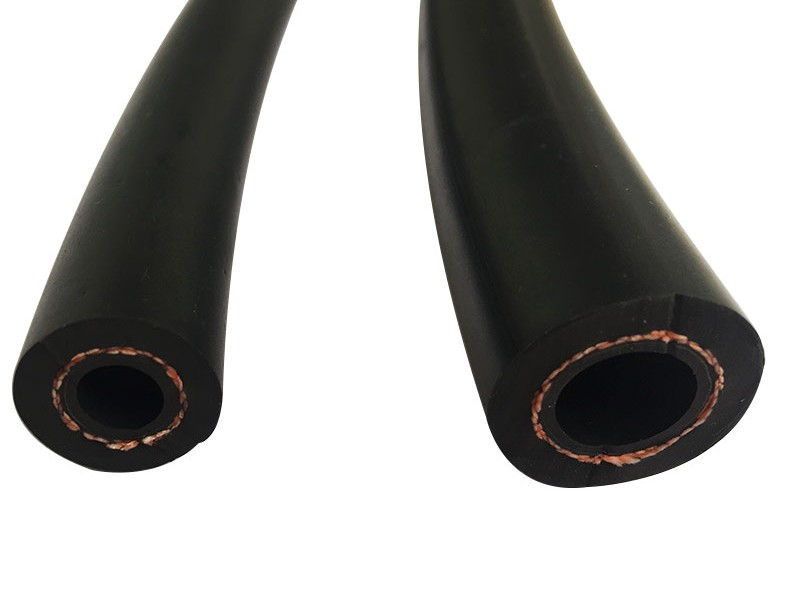
The core material for 19mm hydraulic hose is typically a synthetic rubber compound, most commonly a blend of nitrile rubber (NBR) for oil resistance, and polychloroprene (CR) for weathering and abrasion resistance. The specific formulation dictates the hose’s fluid compatibility and operating temperature range. Other additives include carbon black for reinforcement and UV stabilizers for prolonged outdoor exposure. Steel wire reinforcement is crucial, with high-tensile steel wire spirally wound or braided within the rubber matrix to provide pressure resistance. The manufacturing process begins with rubber mixing and calendaring to create the inner tube. The reinforcement layer is then applied, followed by an outer cover, also constructed from synthetic rubber. Key parameter control during manufacturing focuses on: precise rubber compound ratios, consistent wire winding tension, proper vulcanization (curing) time and temperature, and dimensional accuracy. Vulcanization is critical; under-curing results in insufficient strength and flexibility, while over-curing leads to brittleness and reduced elongation. Extrusion processes are used to form the hose body, followed by building up layers of reinforcement and cover. Quality control checks at each stage, including visual inspection for defects, dimensional measurements, and pressure testing, are essential. The selection of steel grade (e.g., high-carbon steel) directly impacts the burst pressure rating of the hose. The Shore A hardness of the rubber compound influences its flexibility and resistance to abrasion. Chemical compatibility assessments are performed to ensure the hose material resists degradation from the fluids it will convey.
Performance & Engineering
The performance of a 19mm hydraulic hose is governed by several engineering principles. Force analysis focuses on hoop stress within the hose wall under internal pressure. The reinforcement layer bears the majority of this stress, preventing the hose from bursting. Burst pressure is typically rated at a 4:1 safety factor relative to the working pressure. Environmental resistance is crucial; hoses must withstand temperature fluctuations, exposure to UV radiation, ozone, and various chemicals. Hydraulic fluid compatibility is paramount; incompatibility can lead to swelling, degradation, and eventual failure. Fatigue resistance is also critical, particularly in applications involving pulsating pressure. Bending radius is a key engineering consideration, as exceeding the minimum bend radius can cause kinking and premature failure. Compliance requirements (e.g., SAE J517, EN 853) dictate minimum performance standards. Functional implementation requires careful selection of fittings; incorrect fittings can cause leaks or catastrophic failure. Thread engagement, fitting material compatibility, and proper crimping techniques are all critical. The hose’s ability to transmit hydraulic power efficiently, minimizing pressure drop due to internal friction, is also a key performance metric. The internal surface roughness of the hose and the fluid viscosity influence pressure drop. Long-term durability is assessed through accelerated aging tests, exposing hoses to elevated temperatures and pressures over extended periods.
Technical Specifications
| Parameter | Unit | Specification (Typical Range) | Test Standard |
|---|---|---|---|
| Working Pressure | MPa | 16 - 35 | SAE J517 / EN 853 |
| Burst Pressure | MPa | 64 - 140 | SAE J517 / EN 853 |
| Temperature Range | °C | -40 to +100 | SAE J517 / EN 853 |
| Inner Tube Material | - | NBR, CR, or blends | ASTM D2000 |
| Reinforcement | - | Spiral Steel Wire (2 or 4 spirals) | SAE J517 / EN 853 |
| Outer Cover Material | - | CR or synthetic rubber blend | ASTM D2000 |
Failure Mode & Maintenance
Common failure modes for 19mm hydraulic hoses include: fatigue cracking (due to repeated flexing and pressure cycling), pinhole leaks (caused by corrosion or abrasion), burst failure (resulting from exceeding the working pressure), and end connection failure (due to improper crimping or thread damage). Fatigue cracking typically initiates at areas of high stress concentration, such as near fittings. Corrosion can occur if the hose is exposed to corrosive fluids or environments. Abrasion can damage the outer cover, exposing the reinforcement layer. Failure analysis often involves microscopic examination of the fractured surface to determine the root cause. Preventative maintenance is crucial. Regular visual inspections should be conducted to check for signs of wear, cracks, or leaks. Hoses should be replaced if any damage is detected. Maintaining proper system pressure within the hose’s rated limits is essential. Correct routing and support of the hose prevents excessive bending and abrasion. Avoid sharp bends and contact with hot surfaces. Regularly check fitting connections for tightness. When storing hoses, protect them from sunlight, ozone, and extreme temperatures. Implement a hose management program, tracking hose age and usage to facilitate timely replacement. Proper handling during installation and removal is critical to avoid damaging the fittings or hose ends.
Industry FAQ
Q: What is the significance of the ‘dash size’ (e.g., -19) in a hydraulic hose designation?
A: The dash size refers to the inner diameter of the hose in sixteenths of an inch. Therefore, a -19 hose has an inner diameter of 19/16 inches, or approximately 1.1875 inches (29.9mm). This is a critical parameter for determining the flow capacity of the hose and ensuring compatibility with the hydraulic system.
Q: How does the reinforcement type (spiral vs. braided) affect hose performance?
A: Spiral reinforcement generally offers higher pressure ratings and greater flexibility than braided reinforcement. Spiral hoses are better suited for applications requiring high flow rates and frequent bending. Braided hoses are typically less expensive and offer good abrasion resistance. The choice depends on the specific application requirements.
Q: What is the importance of choosing the correct hose fitting material?
A: The fitting material must be compatible with both the hose material and the hydraulic fluid. Incompatible materials can lead to corrosion, leaks, or catastrophic failure. Common fitting materials include carbon steel, stainless steel, and brass. The choice depends on the fluid being conveyed and the operating environment.
Q: What are the key considerations for selecting a hose cover material?
A: The hose cover material should provide protection against abrasion, weathering, ozone, and chemical exposure. CR (chloroprene) is a common choice for general-purpose applications, while other materials, such as polyurethane, may be necessary for specialized environments.
Q: What is the role of testing certifications (e.g., ISO, SAE) for hydraulic hoses?
A: Testing certifications demonstrate that the hose has been independently tested and meets established performance standards. These certifications provide assurance of quality, safety, and reliability. They are essential for ensuring compliance with industry regulations and customer specifications.
Conclusion
The selection and implementation of 19mm hydraulic hoses from Chinese manufacturers demand a comprehensive understanding of material science, manufacturing processes, performance characteristics, and potential failure modes. Prioritizing quality control, adherence to international standards, and proper maintenance practices are crucial for ensuring operational safety and maximizing the service life of these critical components. A rigorous evaluation process, encompassing thorough testing and validation, is essential to mitigate risks associated with variable manufacturing standards.
Looking forward, advancements in rubber compound technology, reinforcement materials, and manufacturing techniques will continue to drive improvements in hydraulic hose performance and durability. Furthermore, the increasing emphasis on sustainability will likely lead to the development of more environmentally friendly hose materials and manufacturing processes. Ongoing collaboration between hose manufacturers, OEMs, and end-users is vital for addressing emerging challenges and advancing the state-of-the-art in hydraulic power transmission.