
Apr . 01, 2024 17:55 Back to list
china 16mm hydraulic hose suppliers Performance Analysis
Introduction
16mm hydraulic hose, produced extensively by suppliers in China, represents a critical component within fluid power systems across diverse industries. These hoses facilitate the transmission of hydraulic fluid, enabling the operation of heavy machinery in sectors like construction, agriculture, manufacturing, and mining. They are categorized under SAE J517 standards (though Chinese manufacturers often adhere to equivalent GB standards), defining performance characteristics like pressure rating, temperature range, and fluid compatibility. The competitive landscape of Chinese suppliers is driven by cost-effectiveness and increasing capabilities in high-performance hose construction. Core performance metrics for these hoses include burst pressure, working pressure, impulse strength, and resistance to abrasion, chemical exposure, and temperature fluctuations. The industry faces ongoing challenges related to quality control, material consistency, and meeting increasingly stringent international safety standards.
Material Science & Manufacturing
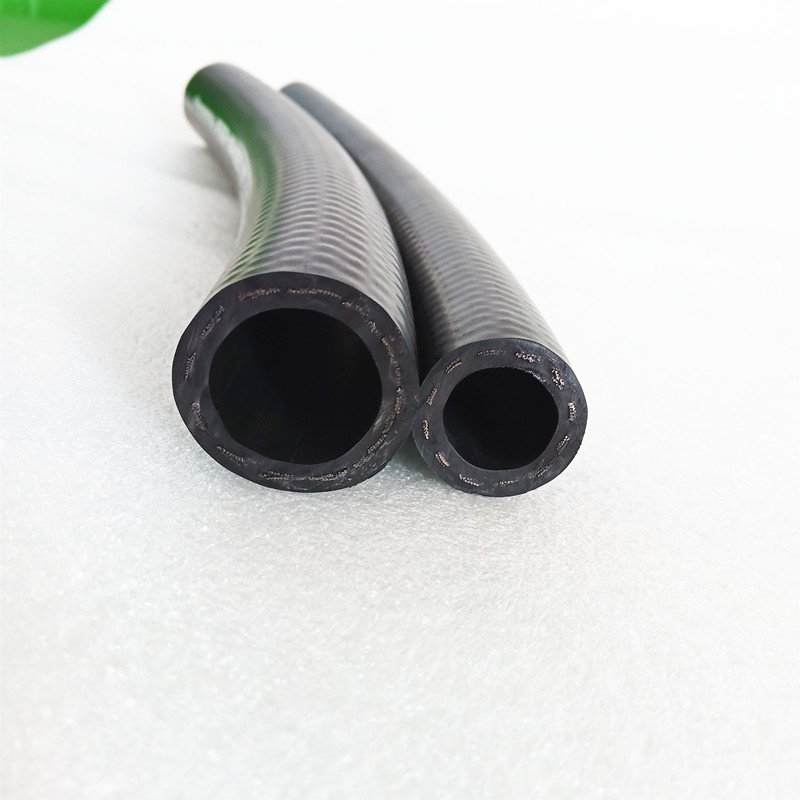
The primary material constituting a 16mm hydraulic hose is a synthetic rubber compound, typically a blend of nitrile rubber (NBR) for oil resistance, and potentially other elastomers like Chloroprene (CR) for improved weather resistance and abrasion resistance. Reinforcement layers are critical, generally constructed from multiple high-tensile steel wire braids. The number of braids directly correlates to the hose’s working and burst pressure capabilities. The inner tube material must demonstrate compatibility with the hydraulic fluid being conveyed, preventing swelling, degradation, or leaching of plasticizers. Manufacturing processes begin with the extrusion of the inner tube, followed by the winding of reinforcement layers. An outer cover, usually made of synthetic rubber, provides environmental protection. Key parameter control during manufacturing includes maintaining consistent rubber compound ratios, precise braid winding tension, and accurate vulcanization temperatures and times. Vulcanization, the curing process, fundamentally alters the rubber's physical properties – increasing elasticity, tensile strength, and resistance to degradation. Quality control at this stage involves rigorous testing of compound hardness, tensile strength, and elongation. Adhesion between layers is another crucial parameter monitored through peel tests.
Performance & Engineering
The performance of a 16mm hydraulic hose is governed by fundamental principles of fluid mechanics and material science. Burst pressure, typically expressed in PSI or MPa, represents the maximum pressure the hose can withstand before catastrophic failure. Working pressure is significantly lower, typically 50-75% of burst pressure, providing a safety margin. Impulse strength is particularly important in applications involving pressure pulsations, such as hydraulic hammers. These pulsations create cyclical stresses that can lead to fatigue failure. Engineering considerations include selecting the appropriate reinforcement braid configuration (e.g., 2-wire, 4-wire, 6-wire) to meet the application’s pressure and impulse requirements. Environmental resistance encompasses factors like temperature extremes, UV exposure, and chemical exposure. Hoses used in outdoor applications must be formulated with UV stabilizers to prevent degradation. Compliance with industry standards (SAE J517, EN 853, GB 3682) dictates minimum performance requirements and testing procedures. Proper hose routing and fitting selection are also critical engineering considerations to minimize bending stress and prevent premature failure. The bend radius must be adhered to, as exceeding it can cause kinking and damage to the reinforcement layers.
Technical Specifications
| Parameter | Unit | SAE 100R2 AT (Typical) | SAE 100R1 AT (Typical) |
|---|---|---|---|
| Inner Tube | - | Oil Resistant Synthetic Rubber (NBR) | Oil Resistant Synthetic Rubber (NBR) |
| Reinforcement | - | Two Steel Wire Braids | One Steel Wire Braid |
| Cover | - | Abrasion & Weather Resistant Synthetic Rubber | Abrasion & Weather Resistant Synthetic Rubber |
| Working Pressure | MPa | 10.5 | 7.0 |
| Burst Pressure | MPa | 31.5 | 21.0 |
| Temperature Range | °C | -40 to +100 | -40 to +100 |
Failure Mode & Maintenance
Common failure modes in 16mm hydraulic hoses include burst failure due to exceeding the working pressure, impulse failure from cyclical pressure stresses, and fatigue cracking from repeated bending. Abrasion damage, particularly in exposed applications, can lead to cover degradation and ultimately, reinforcement exposure. Chemical attack from incompatible fluids can cause swelling and weakening of the inner tube. Another prevalent failure mode is hose kinking, resulting from excessively tight bending radii, causing internal damage and restricting flow. Failure analysis often reveals weaknesses in bonding between layers or defects in the rubber compound. Maintenance practices should include regular visual inspections for signs of abrasion, cracking, or leakage. Hoses should be replaced if any damage is detected. Fluid contamination can significantly reduce hose life; therefore, implementing proper filtration is crucial. Correct fitting installation, ensuring proper crimping and sealing, is essential to prevent leaks and maintain structural integrity. Avoid twisting the hose during installation, as this can induce stress and reduce its lifespan. Periodic pressure testing can proactively identify potential weaknesses before catastrophic failure occurs.
Industry FAQ
Q: What is the primary difference between SAE 100R1AT and SAE 100R2AT hoses and which should I choose for a high-pressure system?
A: The key difference lies in the reinforcement. 100R2AT hoses utilize two steel wire braids, providing significantly higher pressure ratings and impulse strength compared to 100R1AT hoses which use a single braid. For high-pressure systems, 100R2AT is the preferred choice, offering a greater safety margin and durability. However, 100R2AT hoses are typically more expensive and less flexible.
Q: How does temperature affect the performance and lifespan of a hydraulic hose?
A: Extreme temperatures, both high and low, can degrade the rubber compound, reducing its flexibility and tensile strength. High temperatures accelerate oxidation and can cause hardening, while low temperatures can make the hose brittle and susceptible to cracking. Exceeding the specified temperature range can drastically reduce hose lifespan and increase the risk of failure.
Q: What is the importance of proper fitting selection and crimping?
A: Improperly selected or crimped fittings are a major cause of hydraulic hose failures. Fittings must be compatible with the hose and the fluid being conveyed. Incorrect crimping can create stress concentrations, leading to leaks or even burst failure. It’s critical to use calibrated crimping machines and follow the manufacturer's recommendations for crimp specifications.
Q: What role does hydraulic fluid compatibility play in hose selection?
A: Hydraulic fluid compatibility is paramount. Using an incompatible fluid can cause the inner tube to swell, soften, or degrade, leading to leaks and premature failure. The hose’s inner tube material must be specifically rated for the type of hydraulic fluid being used (e.g., petroleum-based, synthetic, phosphate ester).
Q: How can I extend the lifespan of my hydraulic hoses?
A: Implementing a preventative maintenance program is key. This includes regular visual inspections, proper hose routing (avoiding sharp bends and abrasion), maintaining fluid cleanliness through filtration, using compatible fluids, and ensuring correct fitting installation. Avoid exceeding the hose's working pressure and temperature limits.
Conclusion
The selection and application of 16mm hydraulic hoses from Chinese suppliers require a thorough understanding of material science, manufacturing processes, and performance parameters. Meeting stringent industry standards like SAE J517 (and equivalent GB standards) is vital for ensuring safety and reliability. The performance of these hoses is directly linked to factors like reinforcement configuration, fluid compatibility, and proper installation techniques.
Future advancements in hydraulic hose technology will likely focus on developing more durable and lightweight materials, improving resistance to extreme temperatures and aggressive fluids, and integrating smart sensing capabilities for predictive maintenance. Adhering to best practices in maintenance and proactive failure analysis will remain crucial for maximizing hose lifespan and minimizing downtime in critical hydraulic systems.