
Apr . 01, 2024 17:55 Back to list
china 16mm hydraulic hose factories Performance Analysis
Introduction
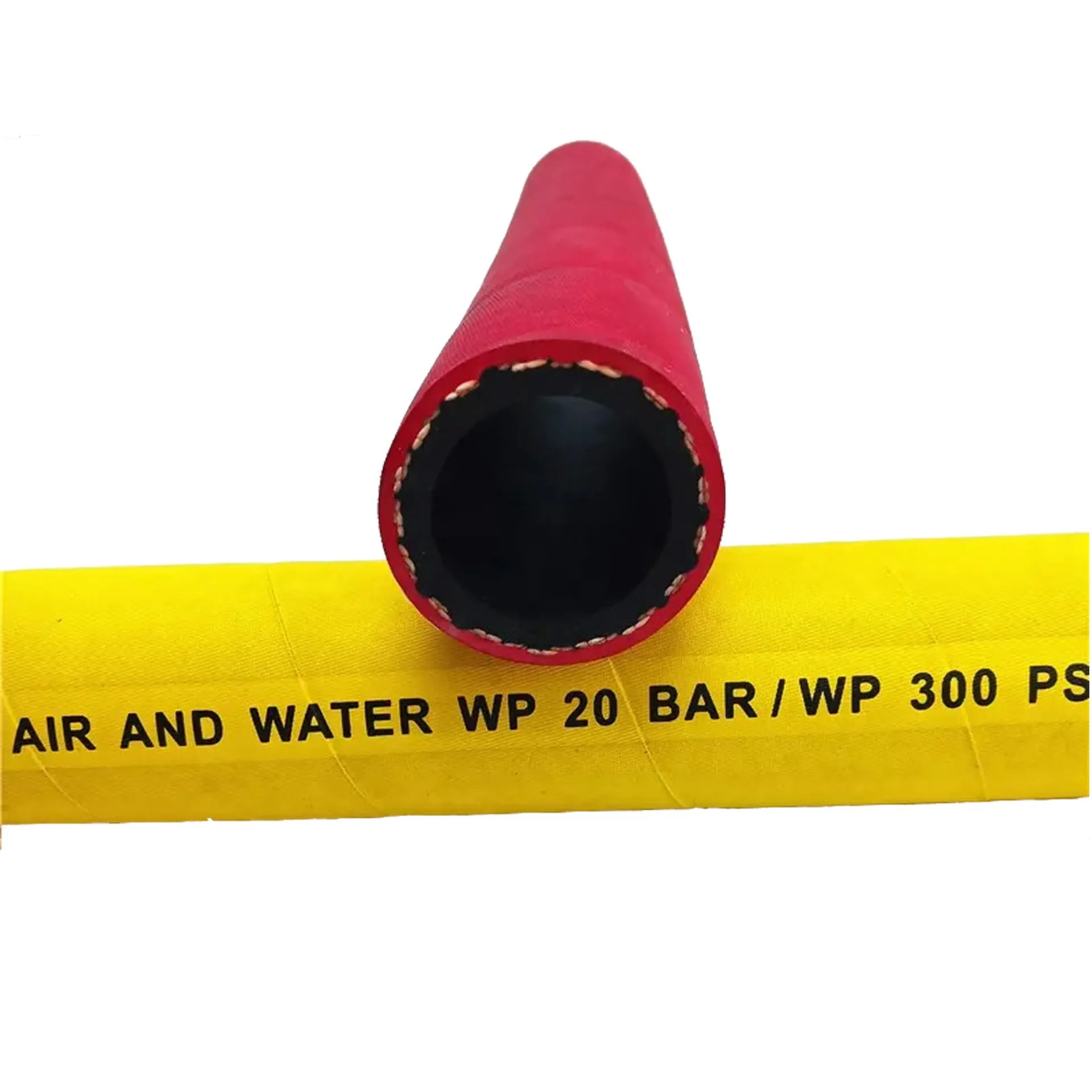
16mm hydraulic hose, manufactured extensively in China, represents a critical component in fluid power systems across diverse industries including construction, agriculture, mining, and manufacturing. These hoses are engineered to transmit hydraulic fluid under high pressure, enabling the operation of hydraulic machinery. The Chinese manufacturing sector has become a dominant global supplier due to its cost-effectiveness, production capacity, and increasingly stringent quality control measures. However, navigating the myriad of manufacturers and understanding the technical nuances of these hoses is crucial for procurement professionals. This guide provides an in-depth technical analysis of 16mm hydraulic hose production in China, covering material science, manufacturing processes, performance characteristics, failure modes, and relevant industry standards. Core performance metrics revolve around pressure capacity, temperature resistance, fluid compatibility, and dimensional accuracy, directly impacting system efficiency and reliability. The industry's primary pain points involve maintaining consistent quality across manufacturers, ensuring adherence to international safety standards, and mitigating the risk of premature failure due to material defects or improper assembly.
Material Science & Manufacturing
The core material for 16mm hydraulic hoses is typically a synthetic rubber compound, most commonly based on nitrile rubber (NBR) for oil-based hydraulic fluids, or ethylene propylene diene monomer (EPDM) for water-based fluids. NBR offers excellent resistance to petroleum-based oils, fuels, and hydraulic fluids, while EPDM exhibits superior resistance to heat, ozone, and weathering. The reinforcement layer is crucial for pressure handling and typically consists of multiple plies of high-tensile steel wire, spirally wound or braided. The cover layer, often composed of chloroprene rubber (CR) or polyurethane (PU), provides abrasion resistance and protection against environmental factors. Manufacturing commences with the extrusion of the inner tube. Precise temperature control during extrusion is paramount to ensure consistent wall thickness and optimal curing of the rubber compound. The reinforcement layer is then applied, requiring careful alignment and tension control to maintain structural integrity. Finally, the outer cover is extruded, and the hose is cured in a vulcanization process. Key parameters monitored during manufacturing include rubber compound viscosity, extrusion temperature, wire winding tension, and curing time/temperature. Variation in these parameters can lead to defects such as porosity, inconsistent reinforcement distribution, and reduced burst pressure.
Performance & Engineering
The performance of a 16mm hydraulic hose is defined by its ability to withstand internal pressure, external damage, and environmental stressors. Force analysis focuses on hoop stress within the hose wall, calculated using the Barlow formula (P = 2St/D, where P is pressure, S is tensile stress, t is wall thickness, and D is diameter). Finite Element Analysis (FEA) is increasingly used to model stress distribution under various loading conditions, including bending, flexing, and pressure surges. Environmental resistance is critical; NBR hoses typically operate within a temperature range of -40°C to 100°C, while EPDM hoses can tolerate higher temperatures up to 150°C. Fluid compatibility is also essential. Incorrect fluid selection can cause swelling, degradation, or cracking of the inner tube. Compliance requirements vary geographically but generally include ISO 6899 (hydraulic hose requirements), SAE J517 (rubber hose – petroleum base), and EN 853 (steel wire reinforced hydraulic hoses). The design incorporates safety factors to account for pressure spikes and dynamic loads. Crimping, the process of attaching fittings, is a critical engineering step; improper crimping can lead to leakage or hose failure. Crimping pressure and fitting selection must be matched to the hose's specifications and the operating conditions.
Technical Specifications
| Parameter | NBR Hose (Typical) | EPDM Hose (Typical) | Reinforcement Type |
|---|---|---|---|
| Inner Diameter (mm) | 16 ± 0.3 | 16 ± 0.3 | Single or Double Wire Braid |
| Working Pressure (MPa) | 20-35 | 15-30 | Spiral Wire Reinforcement |
| Burst Pressure (MPa) | 60-105 | 45-90 | Number of Braids/Layers |
| Temperature Range (°C) | -40 to 100 | -30 to 150 | Outer Cover Material |
| Fluid Compatibility | Petroleum-based oils | Water, Glycols | Hose Length (m) |
| Standard Conformance | SAE J517, ISO 6899 | SAE J517, ISO 6899 | Fitting Type |
Failure Mode & Maintenance
Common failure modes for 16mm hydraulic hoses include burst failure due to exceeding pressure limits, extrusion failure resulting from excessive pressure and inadequate support, abrasion damage from external contact, and permeation failure caused by fluid leakage through the hose wall. Fatigue cracking occurs due to repeated flexing and exposure to dynamic loads. Delamination of the reinforcement layer can occur due to improper bonding during manufacturing or exposure to aggressive fluids. Oxidation and ozone cracking are prevalent in EPDM hoses exposed to harsh environmental conditions. Failure analysis involves visual inspection for cracks, bulges, and abrasion; pressure testing to identify leaks; and microscopic examination of fractured surfaces to determine the root cause. Preventative maintenance includes regular visual inspections, leak checks, and hose replacement based on service life or condition. Hoses should be protected from abrasion by using protective sleeves or routing them away from potential contact points. Proper support is crucial to prevent sagging and kinking. Crimped fittings should be inspected for proper seating and tightness. Avoid sharp bends and excessive flexing. Contamination of the hydraulic fluid can accelerate hose degradation; regular fluid filtration is essential.
Industry FAQ
Q: What is the impact of different reinforcement types (braid vs. spiral) on hose performance?
A: Braided reinforcement provides excellent flexibility and is suitable for applications with moderate pressure requirements and frequent flexing. Spiral reinforcement offers higher pressure capacity and is preferred for applications with demanding pressure cycles and minimal movement. The choice depends on the specific application's pressure, temperature, and bend radius requirements.
Q: How does the quality of the rubber compound affect the hose's service life?
A: The rubber compound's formulation significantly impacts the hose’s resistance to abrasion, ozone, weathering, and fluid compatibility. Higher-quality compounds with optimized filler loading and antioxidant additives exhibit superior durability and longer service life, even under harsh operating conditions.
Q: What are the critical considerations when selecting fittings for 16mm hydraulic hose?
A: Fittings must be compatible with the hose's pressure rating, fluid type, and operating temperature. The fitting material should resist corrosion and erosion. Proper crimping is crucial to ensure a leak-free seal and prevent premature failure. Incorrect fitting selection or improper crimping can significantly reduce the hose assembly’s reliability.
Q: How can I identify potential hose failures before they occur?
A: Regular visual inspections are vital. Look for signs of cracking, abrasion, blistering, or deformation. Perform leak checks by observing the hose and fittings for any signs of fluid leakage. Monitor pressure gauges for fluctuations that may indicate internal damage. Implement a scheduled replacement program based on operating hours and environmental conditions.
Q: What are the common causes of hose permeation and how can it be mitigated?
A: Permeation occurs when fluid molecules pass through the hose wall. It’s often exacerbated by high temperatures, incompatible fluids, and aging rubber. Mitigation strategies include selecting hoses with low permeability ratings, using appropriate fluid types, and maintaining optimal operating temperatures. Consider using hoses with multi-layered construction or specialized barrier materials.
Conclusion
The 16mm hydraulic hose, particularly those sourced from Chinese manufacturers, represents a fundamental element in countless industrial applications. Understanding the intricacies of its material science – the nuances between NBR and EPDM, the criticality of reinforcement materials, and the impact of rubber compound quality – is paramount for ensuring reliable operation and minimizing downtime. Adherence to stringent manufacturing controls and rigorous testing protocols, alongside compliance with international standards, is essential for consistently delivering high-performance products.
Looking forward, advancements in hose technology will likely focus on developing more durable and environmentally friendly materials, improving hose assembly techniques, and incorporating smart monitoring systems for predictive maintenance. Prioritizing quality control, investing in research and development, and fostering collaboration between manufacturers and end-users will be crucial for driving innovation and addressing the evolving demands of the hydraulic power industry. Proper selection, installation, and maintenance remain the cornerstone of maximizing hose service life and ensuring system safety.