
Apr . 01, 2024 17:55 Back to list
china 10mm hydraulic hose suppliers Performance Analysis
Introduction
10mm hydraulic hoses manufactured by Chinese suppliers represent a crucial component in fluid power systems across diverse industries, including construction equipment, agricultural machinery, and industrial manufacturing. These hoses facilitate the transmission of hydraulic fluid under high pressure, enabling the operation of actuators and motors. The competitive landscape of Chinese suppliers has led to significant advancements in hose technology, focusing on durability, performance, and cost-effectiveness. A key industry pain point revolves around maintaining consistent quality control and adherence to international safety standards given the volume of production. This guide provides an in-depth technical overview of these hoses, covering material science, manufacturing processes, performance characteristics, failure modes, and relevant industry standards. Understanding these aspects is vital for procurement managers and engineers seeking reliable and efficient hydraulic hose solutions from Chinese vendors.
Material Science & Manufacturing
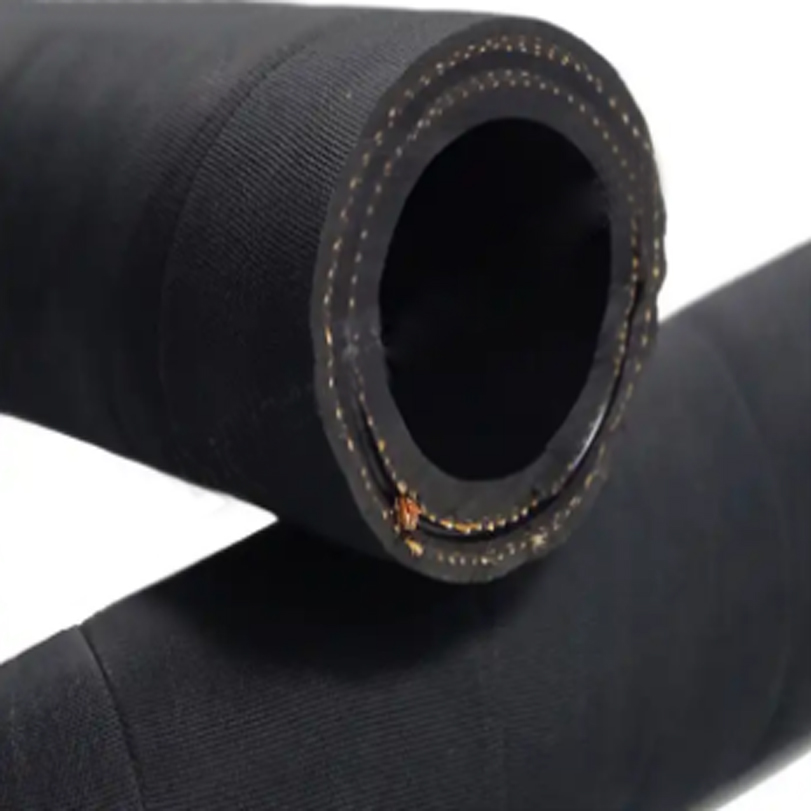
The core material of a 10mm hydraulic hose is typically a synthetic rubber compound, primarily based on Nitrile Butadiene Rubber (NBR) for oil resistance, or Ethylene Propylene Diene Monomer (EPDM) for compatibility with phosphate ester fluids. NBR exhibits excellent resistance to petroleum-based oils, fuels, and hydraulic fluids, with a typical operating temperature range of -40°C to 120°C. EPDM provides superior resistance to heat, ozone, and weathering, making it suitable for applications exposed to environmental factors. Reinforcement layers are crucial for withstanding high pressure. These layers commonly consist of multiple plies of high-tensile steel wire, spirally wound or braided. The number and construction of these layers directly impact the hose’s burst pressure and working pressure ratings. The manufacturing process begins with the extrusion of the inner rubber tube, followed by the application of reinforcement layers. Critical parameters during extrusion include temperature control to ensure uniform rubber density and diameter, and precise wire tension during winding or braiding to maintain consistent reinforcement. Finally, an outer cover, typically made of Chloroprene Rubber (CR) for abrasion and weathering resistance, is applied. Quality control at each stage, including dimensional accuracy, material composition verification (using techniques like Fourier-Transform Infrared Spectroscopy - FTIR), and adhesion testing between layers, is paramount. Improper curing of the rubber compound can lead to reduced elasticity and premature failure. The selection of raw materials is also critical; sourcing from reputable suppliers is essential to ensure consistent quality and adherence to REACH and RoHS regulations.
Performance & Engineering
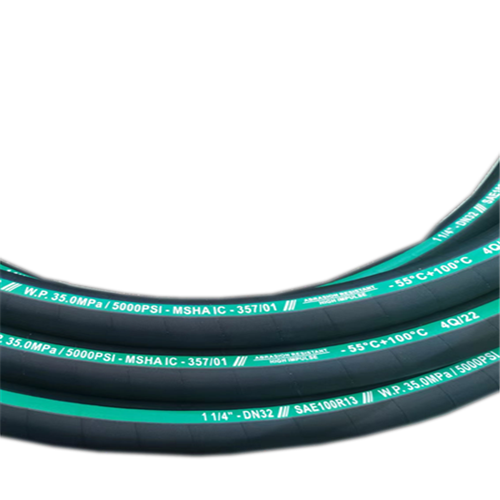
The performance of a 10mm hydraulic hose is fundamentally defined by its ability to withstand internal pressure without failure. Burst pressure, typically three to four times the working pressure, is a critical specification. Force analysis involves calculating hoop stress within the hose wall based on internal pressure and hose diameter using the Barlow formula (σ = PD/2t, where σ is hoop stress, P is internal pressure, D is diameter, and t is wall thickness). Fatigue life is another key performance indicator, determined by subjecting hoses to cyclic pressure testing. Environmental resistance is also vital. Exposure to extreme temperatures, UV radiation, and corrosive fluids can degrade the rubber compound, reducing its flexibility and strength. Standard tests include ozone resistance (ASTM D5618), heat aging (ASTM D573), and fluid compatibility testing (ASTM D790). Compliance with international standards, such as SAE J517 (Hydraulic Hose – Requirements for Performance), is essential for ensuring safety and reliability. Engineering considerations also include hose bend radius; exceeding the minimum bend radius can induce stress concentration and lead to premature failure. Proper hose assembly, including the selection of compatible fittings and correct crimping procedures, is crucial for achieving optimal performance and preventing leakage. Finite Element Analysis (FEA) is increasingly used to optimize hose designs and predict stress distribution under various operating conditions.
Technical Specifications
| Parameter | Unit | NBR Hose (Standard Grade) | EPDM Hose (High Temp) |
|---|---|---|---|
| Inner Diameter | mm | 10.0 ± 0.2 | 10.0 ± 0.2 |
| Working Pressure | MPa | 20 | 25 |
| Burst Pressure | MPa | 60 | 75 |
| Temperature Range | °C | -40 to +120 | -30 to +150 |
| Reinforcement | - | 2 Spiral Steel Wire | 4 Spiral Steel Wire |
| Cover Material | - | CR (Chloroprene) | CR (Chloroprene) |
| Tensile Strength (Cover) | MPa | 15 | 18 |
Failure Mode & Maintenance
Common failure modes in 10mm hydraulic hoses include burst failure due to exceeding pressure limits, fatigue cracking resulting from repeated pressure cycles and vibration, abrasion damage from external contact, and degradation of the rubber compound due to exposure to heat, ozone, or incompatible fluids. Burst failures often originate at weaknesses in the hose wall, such as defects in the reinforcement layers or areas of thinning caused by abrasion. Fatigue cracking typically initiates at stress concentration points, such as near fittings or sharp bends. Failure analysis often involves microscopic examination of the fracture surface to identify the root cause. Preventive maintenance is crucial for maximizing hose lifespan. Regular visual inspections should be conducted to check for signs of wear, abrasion, cracking, or leakage. Hose assemblies should be replaced at recommended intervals, even if no visible damage is present. Proper routing and support are essential to prevent excessive bending, abrasion, and vibration. Fluid contamination can significantly accelerate hose degradation; implementing a robust filtration system is vital. Avoid using incompatible fluids; always verify fluid compatibility with the hose material. When replacing hoses, ensure that fittings are compatible and properly crimped. Proper storage of unused hoses in a cool, dry, and dark environment can prevent premature degradation.
Industry FAQ
Q: What is the impact of steel wire braid angle on hose pressure rating?
A: A smaller braid angle generally results in a higher pressure rating. This is because a smaller angle provides more reinforcement layers per unit length, increasing the hose’s resistance to hoop stress. However, a very small angle can reduce flexibility.
Q: How does temperature affect the working pressure of a hydraulic hose?
A: Elevated temperatures typically decrease the working pressure of a hydraulic hose. As temperature increases, the rubber compound softens, reducing its ability to withstand internal pressure. Manufacturers provide derating factors for use at higher temperatures.
Q: What are the common causes of hose kinking, and how can it be prevented?
A: Hose kinking is often caused by exceeding the minimum bend radius or insufficient hose support. Prevention includes ensuring adequate bend radius, providing proper hose support using clamps or sleeves, and avoiding sharp bends.
Q: What is the significance of ISO 14307 in hydraulic hose selection?
A: ISO 14307 defines a system for identifying and classifying hydraulic hose fittings, ensuring interchangeability and compatibility. Adherence to this standard is critical for safe and reliable hose assembly.
Q: What methods are used to test for fluid compatibility with hose materials?
A: Fluid compatibility is typically assessed through immersion testing, where hose samples are exposed to the fluid for a specified period and then evaluated for changes in volume, hardness, and tensile strength. Standard tests like ASTM D790 are commonly used.
Conclusion
The selection and implementation of 10mm hydraulic hoses from Chinese suppliers necessitates a thorough understanding of material science, manufacturing processes, and performance characteristics. Prioritizing quality control, adherence to international standards (SAE, ISO), and preventative maintenance practices are vital for ensuring operational reliability and minimizing downtime. A robust understanding of potential failure modes – stemming from factors such as pressure exceedance, fatigue, and fluid incompatibility – allows for proactive mitigation strategies.
Looking ahead, advancements in hose technology will likely focus on the development of lighter-weight materials, improved abrasion resistance, and enhanced fluid compatibility. Continued refinement of manufacturing processes and quality control measures by Chinese suppliers will further enhance the competitiveness and reliability of these essential components. Focusing on comprehensive specifications and rigorous testing, combined with an understanding of the potential risks and best practices, will prove crucial for sourcing reliable hydraulic hose solutions.