
Apr . 01, 2024 17:55 Back to list
china 10mm hydraulic hose supplier Performance Analysis

Introduction
10mm hydraulic hose, supplied globally by manufacturers in China, represents a critical component in fluid power systems across diverse industries. These hoses facilitate the transmission of hydraulic fluid, enabling the operation of heavy machinery in construction, agriculture, manufacturing, and automotive applications. Unlike general-purpose tubing, hydraulic hose is engineered to withstand extremely high pressures, temperature fluctuations, and aggressive fluid compatibility requirements. This guide details the material science, manufacturing processes, performance characteristics, potential failure modes, and maintenance protocols associated with these hoses, focusing on the nuances relevant to industrial procurement and engineering professionals. The core performance criteria center around burst pressure, working pressure, temperature range, and fluid resistance, impacting system reliability and safety. China’s position as a leading supplier is predicated on competitive pricing and increasingly stringent quality control measures.
Material Science & Manufacturing
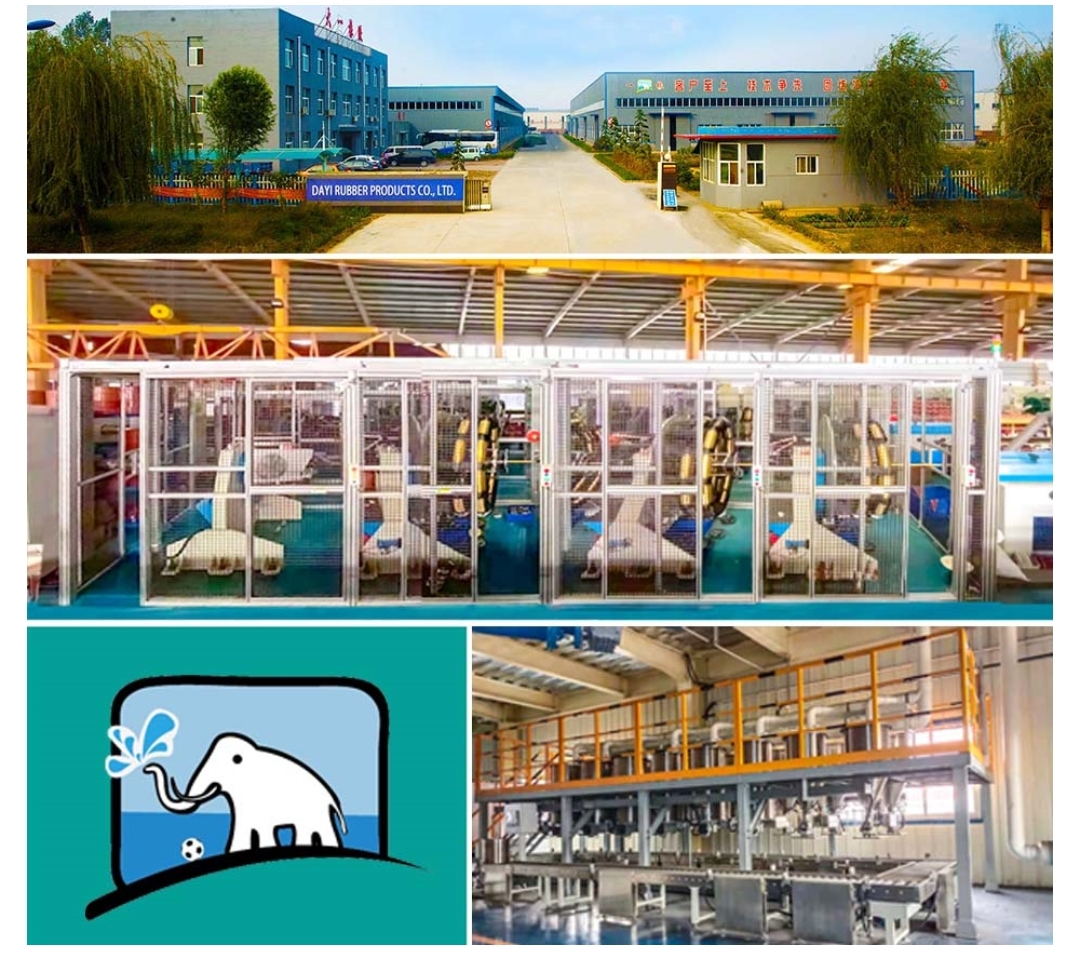
The construction of a 10mm hydraulic hose typically involves several layers, each contributing to specific performance characteristics. The inner tube is commonly composed of synthetic rubber, specifically Nitrile (NBR) for petroleum-based fluids, or Ethylene Propylene Diene Monomer (EPDM) for phosphate ester fluids. These elastomers offer excellent resistance to swelling, degradation, and abrasion. The reinforcement layer, crucial for pressure resistance, is usually a braided or spiraled high-tensile steel wire. The number of braids and the wire diameter directly correlate to the hose’s maximum working pressure. An outer cover, often composed of Chloroprene (CR) rubber, provides environmental protection against abrasion, ozone, and UV exposure. Manufacturing begins with the extrusion of the inner tube, followed by the application of the reinforcement layer via automated braiding or spiraling machines. Precise tension control during reinforcement application is paramount to ensure uniform pressure distribution. Finally, the outer cover is extruded and vulcanized to bond all layers together. Vulcanization, a chemical process involving sulfur, accelerates the cross-linking of polymer chains, enhancing elasticity, strength, and temperature resistance. Key parameter control during extrusion includes maintaining consistent rubber viscosity, precise wire tension, and accurate layer alignment. Post-production testing encompasses hydrostatic pressure testing to verify burst pressure, impulse testing to assess fatigue resistance, and dimensional checks to ensure adherence to specifications.
Performance & Engineering
The performance of a 10mm hydraulic hose is dictated by fundamental engineering principles related to fluid mechanics and material strength. Burst pressure, typically four times the working pressure, is a critical safety parameter calculated based on the tensile strength of the reinforcement layer and the inner tube’s resistance to hoop stress. Force analysis during operation considers both static pressure loads and dynamic pressure pulsations, which can induce fatigue failure over time. Environmental resistance is paramount, particularly in outdoor applications. Exposure to extreme temperatures can alter the rubber’s elasticity and reduce its pressure-holding capacity. UV radiation degrades the outer cover, leading to cracking and reduced abrasion resistance. Fluid compatibility dictates the choice of inner tube material; incompatible fluids can cause swelling, softening, or chemical attack, compromising the hose’s integrity. Compliance requirements vary by region, with standards like SAE J517 and EN 853 specifying minimum performance criteria for hydraulic hoses. Proper hose assembly, including the selection of compatible fittings and correct crimping procedures, is critical. Incorrect crimping can lead to premature failure due to fitting slippage or over-stressing the hose ends. The bend radius must also be observed to avoid kinking and localized stress concentrations. Furthermore, consideration should be given to hose routing to minimize abrasion against moving parts or sharp edges.
Technical Specifications
| Parameter | Unit | SAE 100R1 AT | SAE 100R2 AT |
|---|---|---|---|
| Inner Tube | - | Synthetic Rubber (NBR) | Synthetic Rubber (NBR) |
| Reinforcement | Layers | Single Wire Braid | Double Wire Braid |
| Outer Cover | - | Synthetic Rubber (CR) | Synthetic Rubber (CR) |
| Working Pressure | MPa | 20.7 | 34.5 |
| Burst Pressure | MPa | 82.7 | 138.0 |
| Temperature Range | °C | -40 to +100 | -40 to +100 |
| Minimum Bend Radius | mm | 40 | 50 |
Failure Mode & Maintenance
Hydraulic hose failure can manifest in several ways, each with distinct root causes. Fatigue cracking, induced by repeated pressure pulsations and flexing, is a common failure mode, particularly in applications with high vibration. Delamination, the separation of layers, often occurs due to inadequate bonding during vulcanization or exposure to incompatible fluids. Abrasion, caused by external contact with rough surfaces, compromises the outer cover, leading to reinforcement exposure and subsequent corrosion. Oxidation, driven by exposure to oxygen and ozone, degrades the rubber compounds, reducing their elasticity and strength. Pinholes, small punctures in the inner tube, can result from internal erosion by fluid contaminants or external damage. Maintenance practices are critical to extending hose life. Regular visual inspections should identify signs of abrasion, cracking, and swelling. Fluid analysis can detect contaminants that accelerate degradation. Proper hose routing and support are essential to minimize stress and abrasion. Periodic pressure testing can reveal weaknesses before catastrophic failure. When replacing hoses, it is crucial to use compatible fittings and follow the manufacturer’s recommended crimping procedures. Avoid sharp bends and kinks. Furthermore, implement a preventative maintenance schedule to proactively address potential issues before they escalate into costly downtime or safety hazards. Proper storage of hoses, shielded from direct sunlight and extreme temperatures, is also recommended.
Industry FAQ
Q: What is the impact of impulse pressure on hydraulic hose life?
A: Impulse pressure, or pressure spikes, significantly reduces hose life. These fluctuations create cyclical stress, leading to fatigue cracking in the reinforcement layer. Hoses rated for “impulse” applications are specifically designed with reinforced construction to withstand these dynamic loads. Choosing a hose with a higher impulse rating than the system requires is always a prudent practice.
Q: How does fluid temperature affect hose performance?
A: Extreme temperatures, both high and low, degrade hose performance. High temperatures can cause rubber to soften, reducing pressure capacity and increasing susceptibility to abrasion. Low temperatures can make rubber brittle, increasing the risk of cracking. Selecting a hose with a temperature range compatible with the operating fluid and ambient conditions is crucial.
Q: What are the common causes of hose fitting failure?
A: Fitting failures often stem from improper crimping. Undercrimping leads to fitting slippage, while overcrimping can damage the hose reinforcement. Corrosion, particularly in environments with salt exposure, can also weaken fittings. Using high-quality fittings and employing calibrated crimping tools are essential.
Q: What is the significance of hose layline markings?
A: Hose layline markings provide critical information about the hose’s manufacturer, production date, pressure rating, and fluid compatibility. These markings are essential for traceability and ensuring the correct hose is used in the appropriate application.
Q: How do I determine the correct hose size for my application?
A: The hose size is determined by the required flow rate and working pressure. Insufficient hose diameter creates excessive pressure drop, reducing system efficiency. Consult hydraulic system design guides and manufacturer specifications to determine the appropriate hose size based on these parameters.
Conclusion
The selection and maintenance of 10mm hydraulic hoses require a thorough understanding of material science, manufacturing processes, and performance characteristics. China’s role as a significant supplier necessitates a focus on quality control and adherence to international standards. By carefully considering factors such as fluid compatibility, temperature range, pressure requirements, and potential failure modes, industrial professionals can ensure the reliable and safe operation of hydraulic systems.
Effective preventative maintenance, including regular inspections, fluid analysis, and proper hose assembly, is paramount to maximizing hose lifespan and minimizing downtime. Staying abreast of evolving industry standards and best practices will further enhance the longevity and performance of these critical components. The integration of advanced materials and manufacturing techniques continues to drive improvements in hydraulic hose technology, offering increased durability and efficiency.