
Apr . 01, 2024 17:55 Back to list
china 1/4 in hydraulic hose suppliers Performance Analysis
Introduction
Hydraulic hoses with a 1/4 inch inner diameter are ubiquitous in a diverse range of industrial applications, serving as critical components in fluid power systems. China has emerged as a significant global supplier of these hoses, offering competitive pricing and increasingly sophisticated manufacturing capabilities. This technical guide provides an in-depth examination of 1/4 inch hydraulic hoses sourced from China, covering material science, manufacturing processes, performance characteristics, failure modes, and relevant industry standards. The consistent demand for these hoses arises from their utilization in compact hydraulic machinery, agricultural equipment, construction tools, and various automated systems where precision and reliability are paramount. A key industry pain point revolves around maintaining consistent quality control across varying supplier tiers and ensuring compliance with stringent international safety regulations. This guide aims to address these concerns and provide a comprehensive understanding of the product.
Material Science & Manufacturing
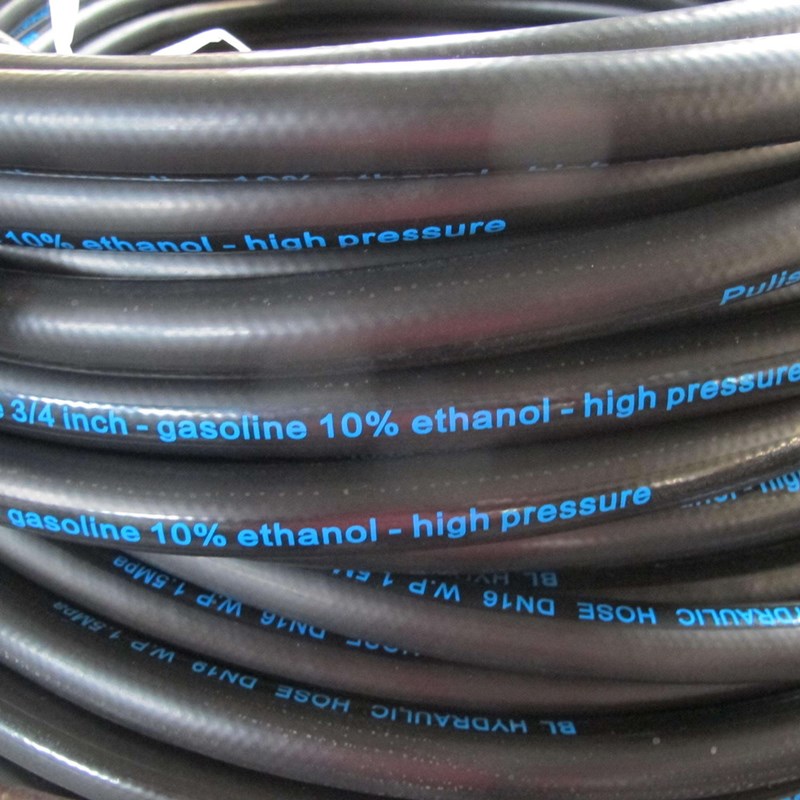
The core construction of a 1/4 inch hydraulic hose involves several key materials. The inner tube is typically composed of synthetic rubber compounds like Nitrile (NBR), which provides excellent resistance to petroleum-based hydraulic fluids. For applications requiring higher temperature resistance or compatibility with specific fluids, other elastomers like Ethylene Propylene Diene Monomer (EPDM) or Fluorocarbon (FKM/Viton) are employed. Reinforcement layers are crucial for pressure handling capability and are commonly constructed from multiple plies of high-tensile steel wire, often spiral wound. The outer cover, providing abrasion and weather resistance, is usually a synthetic rubber blend like Chloroprene (CR) or a thermoplastic polyurethane (TPU). Manufacturing processes commence with rubber compounding, where raw elastomers are mixed with reinforcing fillers (carbon black, silica), plasticizers, processing aids, and vulcanizing agents. The inner tube is extruded through a die, followed by the winding of reinforcement layers. A subsequent extrusion process forms the outer cover, encasing the reinforcement. Key parameter control involves precise temperature regulation during extrusion to ensure consistent wall thickness and material bonding. Vulcanization, a critical curing step, dictates the final mechanical properties of the rubber components. Steel wire surface treatment prior to winding is essential to promote adhesion and prevent corrosion. Improper vulcanization can lead to reduced elasticity and premature failure. The selection of appropriate rubber compounds is predicated on fluid compatibility, temperature range, and pressure requirements.
Performance & Engineering
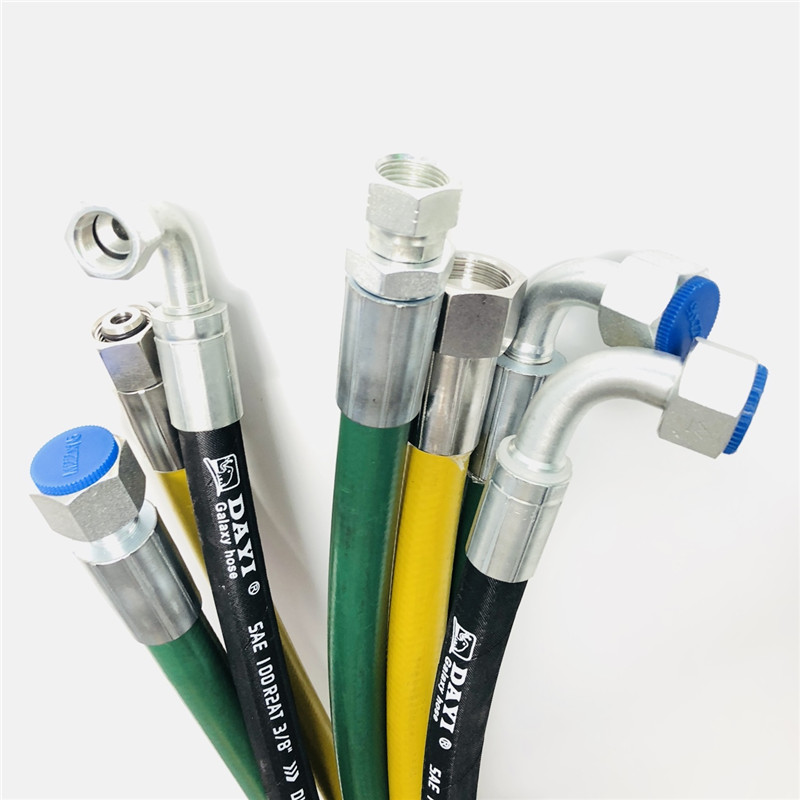
The performance of a 1/4 inch hydraulic hose is governed by its pressure rating, burst pressure, and impulse performance. Pressure rating, typically expressed in PSI or MPa, represents the maximum continuous working pressure. Burst pressure is significantly higher – typically 3-4 times the working pressure – indicating the point of catastrophic failure. Impulse performance refers to the hose's ability to withstand pressure pulsations, common in hydraulic pumps and valves. Finite element analysis (FEA) is routinely used during the design phase to optimize reinforcement layer configuration and predict stress distribution under varying load conditions. Environmental resistance is another critical aspect. Exposure to UV radiation, ozone, and extreme temperatures can degrade the rubber components, leading to cracking and loss of flexibility. Compliance requirements, such as those stipulated by SAE J517, define standardized test procedures and performance criteria. Functional implementation relies on proper hose assembly using compatible fittings, ensuring a leak-free seal. Incorrect fitting selection or improper crimping can compromise the hose’s integrity. Hose bend radius is also critical; exceeding the minimum bend radius can induce stress concentrations and premature failure. The tensile strength of the reinforcement layers must be meticulously controlled to prevent wire breakage under sustained pressure.
Technical Specifications
| Parameter | Unit | Typical Value (NBR Inner Tube, Steel Wire Reinforcement, CR Cover) | Tolerance |
|---|---|---|---|
| Inner Diameter | inch | 0.250 | ±0.005 |
| Outer Diameter | inch | 0.437 | ±0.010 |
| Working Pressure | PSI | 2000 | ±10% |
| Burst Pressure | PSI | 8000 | ±15% |
| Temperature Range | °F | -40 to +212 | N/A |
| Reinforcement Type | - | Spiral Steel Wire | N/A |
| Hose Length | ft | 50 | ±2 |
Failure Mode & Maintenance
Common failure modes in 1/4 inch hydraulic hoses include fatigue cracking, pinhole leaks, hose splitting, and fitting failure. Fatigue cracking originates from repeated pressure cycles and flexure, often initiated at areas of stress concentration, such as near fittings or sharp bends. Pinhole leaks result from localized degradation of the inner tube, potentially caused by incompatible fluids or internal corrosion. Hose splitting is typically a consequence of exceeding the burst pressure or significant damage to the reinforcement layers. Fitting failure can occur due to improper crimping, corrosion, or material defects. Failure analysis often involves microscopic examination of fractured surfaces to identify the root cause. Maintenance practices should include regular visual inspection for signs of cracking, abrasion, or leakage. Hose routing should be optimized to minimize bending and exposure to harsh environments. Proper storage, away from direct sunlight and extreme temperatures, is crucial to prevent premature degradation. Hydraulic fluid contamination can accelerate hose deterioration, necessitating regular fluid filtration and analysis. When replacing hoses, it’s critical to use compatible fittings and ensure correct crimping procedures are followed. Implement a scheduled replacement program based on operating hours and environmental conditions to proactively mitigate failure risks.
Industry FAQ
Q: What is the impact of hydraulic fluid type on hose lifespan?
A: The compatibility of the hydraulic fluid with the hose's inner tube material is paramount. Using an incompatible fluid can cause swelling, softening, or degradation of the rubber, leading to premature failure. For example, using petroleum-based fluids in an EPDM tube can cause significant deterioration. Always consult the hose manufacturer’s fluid compatibility chart.
Q: How does temperature affect the performance of a hydraulic hose?
A: Extreme temperatures can significantly impact hose performance. High temperatures accelerate rubber degradation and reduce its elasticity. Low temperatures can cause the rubber to become brittle and less flexible. Operating outside the specified temperature range can lead to cracking and leaks. Select a hose material suitable for the operating temperature range.
Q: What are the key differences between spiral and braided hose reinforcement?
A: Spiral reinforcement provides higher pressure capacity and flexibility compared to braided reinforcement. Braided hoses are generally more economical but are less resistant to kinking. Spiral reinforcement excels in applications requiring high-pressure and dynamic bending.
Q: What are the common causes of hose fittings failing?
A: Common causes include improper crimping, corrosion, material defects, and exceeding the fitting's pressure rating. Ensure fittings are correctly matched to the hose and that the crimping process is performed by a qualified technician using calibrated equipment. Regularly inspect fittings for signs of corrosion.
Q: How important is proper hose routing and bend radius?
A: Proper hose routing and adherence to the minimum bend radius are critical to prevent stress concentrations and premature failure. Avoid sharp bends, kinks, and abrasion against other components. Support the hose at appropriate intervals to minimize strain.
Conclusion
The 1/4 inch hydraulic hose, while a seemingly simple component, is a complex assembly of materials and engineered designs. Sourcing from Chinese suppliers presents both opportunities and challenges, requiring diligent quality control and a thorough understanding of material properties and manufacturing processes. Maintaining optimal performance and preventing failures necessitates proper fluid selection, temperature management, and adherence to recommended maintenance practices.
Future trends in hydraulic hose technology focus on developing more durable and chemically resistant materials, as well as incorporating smart sensors for real-time pressure and temperature monitoring. Proactive adoption of these advancements and a commitment to rigorous quality assurance protocols will ensure the reliable operation of hydraulic systems and mitigate the risks associated with hose failure.