
Apr . 01, 2024 17:55 Back to list
china 1/4 in hydraulic hose manufacturer Performance Analysis
Introduction
The 1/4 inch hydraulic hose, manufactured extensively in China, represents a critical component in fluid power systems across a diverse range of industries, including construction, agriculture, manufacturing, and automotive. These hoses are designed to transmit hydraulic fluid under high pressure to operate machinery and equipment. Their technical position within the industry chain lies between the hydraulic pump/reservoir and the hydraulic actuators (cylinders, motors), functioning as the flexible conduit necessary for system operation. Core performance characteristics hinge on burst pressure, working pressure, temperature resistance, fluid compatibility, and dimensional stability. A significant industry pain point is ensuring consistent quality and adherence to international safety standards due to the variability in manufacturing practices amongst Chinese suppliers. Selection criteria go beyond mere cost, focusing increasingly on long-term reliability, minimized fluid loss, and resistance to environmental degradation. Furthermore, the correct hose assembly, including fitting selection and crimping procedures, is paramount to avoid premature failure and maintain system integrity.
Material Science & Manufacturing
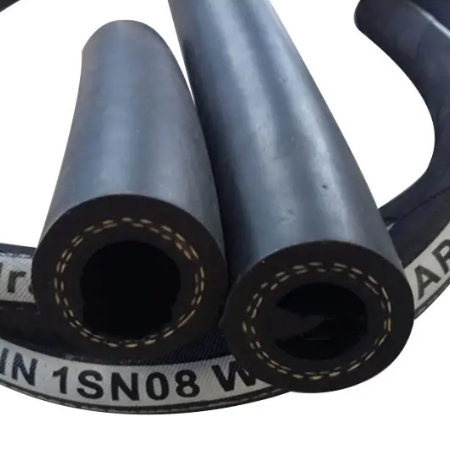
The construction of a 1/4 inch hydraulic hose typically involves multiple layers, each with a specific function. The inner tube, in contact with the hydraulic fluid, is commonly made of synthetic rubbers such as nitrile rubber (NBR), chloroprene rubber (CR, Neoprene), or ethylene propylene diene monomer (EPDM) rubber. NBR offers excellent resistance to petroleum-based fluids, CR provides good ozone and weathering resistance, and EPDM excels in high-temperature applications and phosphate ester fluid compatibility. The reinforcement layer provides the necessary pressure resistance. Common reinforcement materials include high-tensile steel wire (single or multi-spiral), aramid fiber (Kevlar), or textile braids. Steel wire offers the highest pressure capacity, while aramid provides a lighter weight alternative. An outer cover, typically composed of chloroprene rubber (CR) or polyurethane (PU), protects the reinforcement layer from abrasion, ozone, and UV degradation. Manufacturing involves extrusion of the inner tube and outer cover, followed by the application of the reinforcement layer. Critical parameters during extrusion include die temperature, screw speed, and material viscosity. The reinforcement layer is spiraled or braided onto the inner tube with precise tension control. Finally, the hose is cured using a vulcanization process, ensuring crosslinking of the rubber polymers to achieve desired physical properties. Process control during vulcanization (temperature, time, pressure) is vital for optimal performance. Chemical compatibility testing between the hose materials and the intended hydraulic fluid is a crucial quality control step.

Performance & Engineering
The performance of a 1/4 inch hydraulic hose is governed by several engineering principles. Burst pressure, the maximum pressure the hose can withstand before rupture, is a critical safety parameter and is determined by the reinforcement layer’s strength and construction. Working pressure, typically a fraction of the burst pressure (often a 4:1 safety factor), defines the maximum continuous operating pressure. Hose flexibility, or bend radius, is important to prevent kinking and stress concentration. Force analysis considers both internal pressure loads and external bending stresses. Environmental resistance is crucial; hydraulic hoses are often exposed to harsh conditions including temperature extremes, UV radiation, and chemical spills. The hose materials must be selected to withstand these conditions without degradation. Compliance requirements, particularly regarding fluid containment and environmental protection, are increasingly stringent. Standards such as SAE J517 and EN 853 dictate testing procedures and performance criteria. Functional implementation necessitates proper hose routing, minimizing bending stress and avoiding abrasion against other components. Proper fitting selection and crimping are paramount; mismatched fittings or inadequate crimping can lead to leakage and hose failure. The hose must also be compatible with the hydraulic fluid; incompatible fluids can cause swelling, softening, or degradation of the hose materials, leading to premature failure.
Technical Specifications
| Parameter | Unit | NBR/Steel Wire | EPDM/Aramid Fiber |
|---|---|---|---|
| Inner Diameter | inch | 0.25 | 0.25 |
| Working Pressure | psi | 2000 | 1500 |
| Burst Pressure | psi | 8000 | 6000 |
| Temperature Range | °F | -40 to 212 | -40 to 250 |
| Reinforcement Type | - | Single Spiral Steel Wire | Multi-Spiral Aramid Fiber |
| Outer Cover Material | - | Chloroprene Rubber (CR) | Polyurethane (PU) |
Failure Mode & Maintenance
Failure modes in 1/4 inch hydraulic hoses are diverse. Fatigue cracking, caused by repeated flexing and pressure cycles, is a common failure mechanism, particularly near fittings. Delamination, the separation of layers, often occurs due to inadequate bonding during manufacturing or exposure to incompatible fluids. Abrasion, resulting from contact with abrasive surfaces, degrades the outer cover, exposing the reinforcement layer. Oxidation and UV degradation cause the rubber materials to become brittle and crack. Pinholes, small leaks in the inner tube, can arise from internal corrosion or damage during handling. Crimping failure, stemming from improper fitting crimping, leads to leakage and potential hose ejection. Maintenance involves regular visual inspection for signs of damage (cracks, abrasions, swelling). Hose assemblies should be pressure tested periodically to detect leaks. Fluid analysis can identify contamination and fluid degradation, which can accelerate hose failure. Hoses should be replaced when damage is detected or when they reach their recommended service life. Proper storage is also critical; hoses should be stored in a cool, dry place away from direct sunlight and ozone sources. Avoid sharp bends and kinking during installation and operation. Implementing a preventative maintenance schedule and documenting hose replacements are essential for maximizing system reliability.
Industry FAQ
Q: What is the significance of the 'dash size' designation for hydraulic hoses, and how does it relate to the 1/4 inch specification?
A: The 'dash size' is a standardized naming convention in the hydraulic industry. While it's commonly associated with the inner diameter, the dash size isn't always a direct measurement. For a 1/4 inch hose, the dash size is typically '-6'. This designation is widely recognized by fitting manufacturers, ensuring compatibility. It’s important to note that the actual inner diameter might deviate slightly from a perfect 1/4 inch due to manufacturing tolerances and rubber expansion under pressure.
Q: How does the choice of reinforcement material (steel wire vs. aramid fiber) impact the hose's suitability for different applications?
A: Steel wire reinforcement provides superior burst pressure and is ideal for high-pressure applications where strength and durability are paramount, such as heavy machinery. However, it results in a heavier, less flexible hose. Aramid fiber reinforcement offers a lighter weight and greater flexibility, making it suitable for applications where ease of routing and weight reduction are critical, but at a lower burst pressure. It is often used in mobile hydraulic systems and applications with less demanding pressure requirements.
Q: What are the key considerations when selecting fittings for a 1/4 inch hydraulic hose?
A: The fitting type (e.g., crimp, field attachable, threaded) must be compatible with the hose construction and the application requirements. The fitting material must be compatible with the hydraulic fluid. The fitting’s pressure rating must meet or exceed the hose's working pressure. Correct crimp dimensions are crucial for secure attachment; improper crimping can lead to leakage or hose failure. The fitting's thread type and size must match the port on the hydraulic system.
Q: What is the role of a hose guard in extending the service life of a hydraulic hose?
A: A hose guard, typically a spiral wrapping or a protective sleeve, provides external protection against abrasion, cuts, and impacts. It significantly extends the hose's service life, especially in harsh environments where hoses are exposed to moving parts, sharp edges, or debris. Hose guards also help prevent kinking and protect against UV degradation.
Q: How important is fluid compatibility when selecting a hydraulic hose, and what are the potential consequences of incompatibility?
A: Fluid compatibility is critically important. Using a hose with incompatible fluid can cause the rubber materials to swell, soften, or degrade, leading to leaks, reduced pressure capacity, and premature failure. Some fluids can also attack the reinforcement layer, compromising its integrity. Always consult a fluid compatibility chart and select a hose specifically rated for the intended hydraulic fluid.
Conclusion
The 1/4 inch hydraulic hose, while seemingly a simple component, is a sophisticated engineered product crucial to the safe and efficient operation of hydraulic systems. Selecting the appropriate hose involves a detailed understanding of material science, manufacturing processes, performance characteristics, and potential failure modes. A focus on quality, adherence to international standards, and proper installation and maintenance practices are paramount to ensuring long-term reliability and minimizing downtime.
Looking ahead, advancements in hose technology are likely to focus on developing lighter-weight, more durable materials, and incorporating smart features such as embedded sensors for real-time pressure monitoring and leak detection. Optimizing hose designs for improved flow characteristics and reduced pressure drop will also be a key area of development, leading to more efficient and responsive hydraulic systems. Continued emphasis on sustainable materials and environmentally friendly manufacturing processes will be vital for the long-term viability of the industry.