
Apr . 01, 2024 17:55 Back to list
china 1/4 in hydraulic hose factory Performance Analysis
Introduction
The 1/4 inch hydraulic hose, manufactured extensively in China, represents a critical component within fluid power systems across diverse industrial applications. Positioned within the hydraulic system’s supply chain between the fluid source (pump) and actuators (cylinders, motors), its primary function is the reliable and safe transmission of pressurized hydraulic fluid. These hoses are employed in sectors including construction machinery, agricultural equipment, material handling, automotive maintenance, and industrial manufacturing. Core performance characteristics – burst pressure, working pressure, temperature resistance, and fluid compatibility – dictate suitability for specific applications. A key industry pain point is maintaining consistent quality control amidst fluctuating raw material costs and diverse manufacturer capabilities, particularly when sourcing from a global market like China. Furthermore, adherence to stringent international safety standards and the increasing demand for specialized hose constructions (e.g., high-temperature, chemically resistant) present ongoing challenges for both manufacturers and end-users.
Material Science & Manufacturing
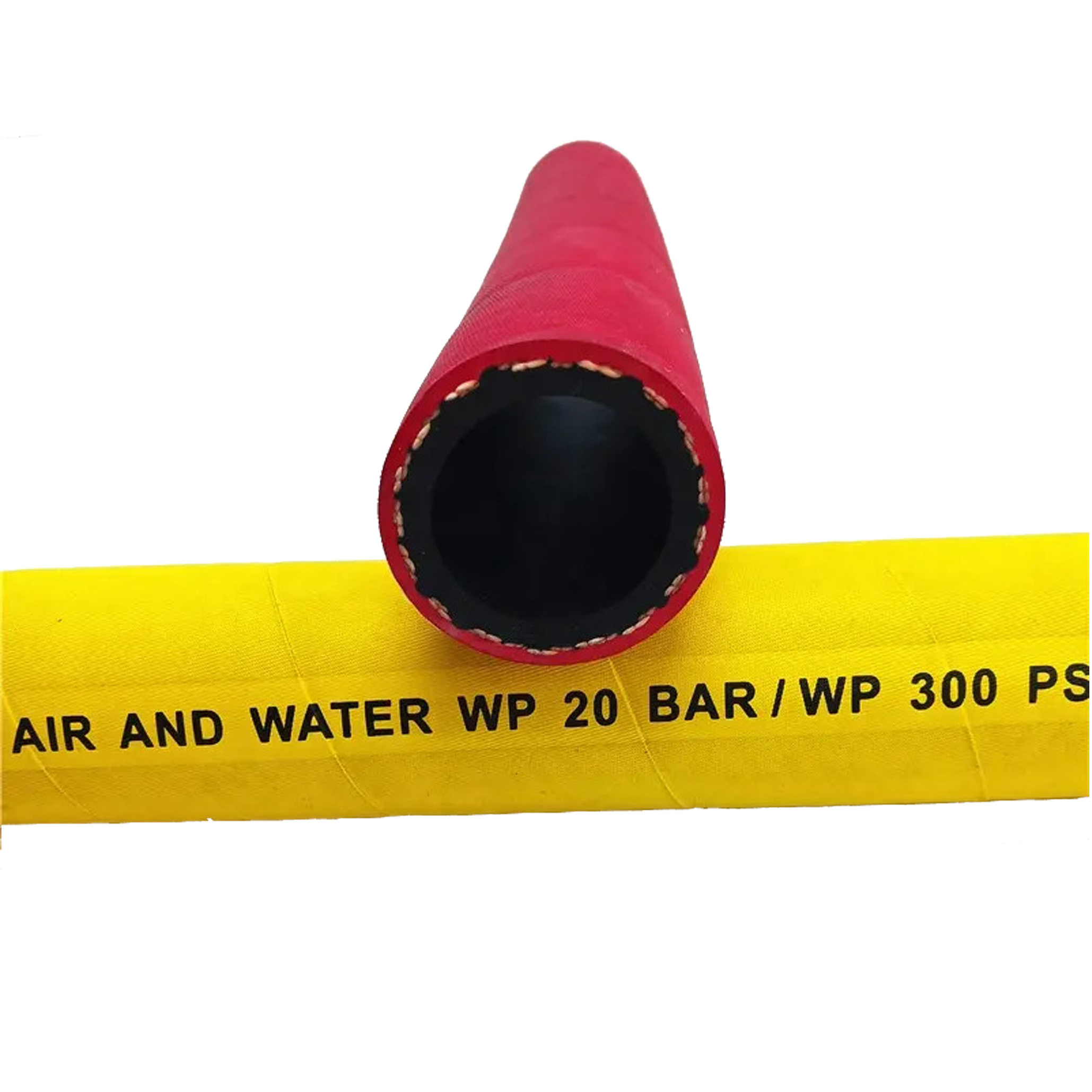
The construction of a 1/4 inch hydraulic hose fundamentally relies on several key materials. The inner tube, in direct contact with the hydraulic fluid, is typically composed of synthetic rubbers such as Nitrile (NBR) for general oil-based fluids, Ethylene Propylene Diene Monomer (EPDM) for phosphate ester fluids, or Fluorocarbon (FKM/Viton) for aggressive chemicals and high temperatures. NBR offers good abrasion resistance and cost-effectiveness, while EPDM exhibits superior heat and ozone resistance. FKM provides the highest level of chemical compatibility but at a greater cost. Reinforcement layers, crucial for withstanding high pressures, are commonly constructed from multiple plies of high-tensile steel wire braid or spiral-wound steel wire. The number and configuration of these layers directly impact the hose’s burst pressure rating. The outer cover, designed for environmental protection and abrasion resistance, is usually a synthetic rubber compound like Chloroprene (CR) or a blend of CR and NBR. Manufacturing processes involve extrusion of the inner tube and outer cover, followed by precise winding of the reinforcement layers. Precise control of extrusion temperatures, cooling rates, and braiding tensions is paramount to ensure dimensional accuracy and mechanical integrity. A critical parameter is vulcanization – the chemical process of crosslinking the rubber compounds to enhance elasticity, strength, and resistance to degradation. Improper vulcanization can lead to reduced service life and premature failure. Quality control procedures include hydrostatic testing to verify burst pressure, impulse testing to assess fatigue resistance, and dimensional inspections to confirm adherence to specifications.

Performance & Engineering
The performance of a 1/4 inch hydraulic hose is governed by several engineering principles. Force analysis focuses on hoop stress within the hose wall due to internal pressure. The reinforcement layer is engineered to withstand this stress, preventing expansion and failure. Burst pressure is typically rated at a 4:1 safety factor relative to the working pressure, determined by calculations based on material properties and hose geometry. Environmental resistance is critical; hoses operating outdoors are subjected to UV degradation, ozone attack, and temperature fluctuations. The outer cover material must be selected to mitigate these effects. Fluid compatibility is equally important. Incompatibility can lead to swelling, softening, or degradation of the inner tube, resulting in leaks and failure. Compliance requirements, such as those outlined by SAE International (SAE J517 and SAE J518) and EN standards (EN 853, EN 857), dictate minimum performance standards and testing procedures. Specific applications may necessitate specialized constructions; for example, high-temperature applications require hoses with heat-resistant inner tubes and covers, while applications involving corrosive fluids demand chemically compatible materials. Impulse testing simulates the pulsating pressure waves commonly encountered in hydraulic systems, assessing the hose’s resistance to fatigue cracking. Kink radius must also be considered – exceeding the minimum bend radius can damage the reinforcement layers and compromise the hose’s integrity.
Technical Specifications
| Parameter | Standard Specification (SAE J517 - R1AT) | Typical Chinese Manufacturer Offering (Example) | Unit |
|---|---|---|---|
| Inner Tube | Oil Resistant Synthetic Rubber (NBR) | NBR/SBR Blend | - |
| Reinforcement | One Steel Wire Braid | One/Two Steel Wire Braid | - |
| Outer Cover | Oil and Weather Resistant Synthetic Rubber (CR) | CR/SBR Blend | - |
| Working Pressure | 1000 psi | 1000 - 2000 psi | psi |
| Burst Pressure | 4000 psi | 4000 - 8000 psi | psi |
| Temperature Range | -40°C to +100°C | -40°C to +120°C | °C |
Failure Mode & Maintenance
Common failure modes for 1/4 inch hydraulic hoses include burst failure due to exceeding the working pressure, fatigue cracking from repeated pressure cycles, pinhole leaks caused by abrasion or damage to the inner tube, and degradation of the rubber compounds due to exposure to extreme temperatures or incompatible fluids. Failure analysis often reveals that burst failures originate at weak points in the reinforcement layers, such as areas of inconsistent braiding or corrosion. Fatigue cracking typically initiates at the inner tube surface, propagating through the wall until a complete rupture occurs. Pinholes are often a consequence of external damage, such as abrasion from rubbing against other components. Preventative maintenance is crucial. Regular visual inspections should be conducted to identify signs of wear, cracking, or swelling. Hoses should be replaced if any damage is detected. Proper routing and support are essential to prevent kinking and abrasion. Protecting hoses from excessive heat and exposure to incompatible fluids can significantly extend their service life. When disconnecting hoses, care should be taken to avoid contamination of the fluid. Storage of unused hoses should be in a cool, dry, and dark environment to prevent degradation. A proactive leak detection program can identify and address minor leaks before they escalate into major failures. Analyzing failed hoses can provide valuable insights into the root causes of failure and inform future maintenance practices.
Industry FAQ
Q: What is the difference between R1AT and R2AT hose specifications?
A: R1AT hoses feature a single steel wire braid reinforcement, making them suitable for moderate pressure applications. R2AT hoses utilize two steel wire braid layers, providing significantly higher burst pressure and improved fatigue resistance, making them ideal for demanding applications with higher pressure cycles.
Q: How does temperature affect hydraulic hose performance?
A: Extreme temperatures can significantly degrade the rubber compounds in both the inner tube and outer cover. High temperatures accelerate oxidation and can cause hardening and cracking. Low temperatures can reduce flexibility and increase the risk of cracking during bending. Always select a hose rated for the expected operating temperature range.
Q: What are the implications of using a hose with an incompatible fluid?
A: Using a hose with an incompatible fluid can lead to swelling, softening, or degradation of the inner tube material. This results in leaks, reduced hose life, and potentially catastrophic failure. Refer to the hose manufacturer's chemical compatibility chart to ensure the hose is suitable for the intended fluid.
Q: What is the recommended minimum bend radius for a 1/4 inch hydraulic hose?
A: The minimum bend radius typically ranges from 6 to 8 times the hose’s outer diameter. Exceeding this radius can damage the reinforcement layers, reduce flow, and compromise the hose's integrity. Check the manufacturer’s specifications for the precise recommended bend radius.
Q: What certifications should I look for when sourcing hydraulic hoses from China?
A: Look for certifications demonstrating compliance with international standards such as ISO 9001 (quality management system), CE marking (European conformity), and testing certifications from recognized laboratories verifying adherence to SAE or EN standards. Verification of factory audits and quality control procedures is also recommended.
Conclusion
The 1/4 inch hydraulic hose, while seemingly a simple component, represents a sophisticated application of material science and engineering principles. Selecting the appropriate hose for a given application requires a thorough understanding of factors such as working pressure, temperature, fluid compatibility, and environmental conditions. Sourcing from China offers cost-effective options, but diligent quality control and verification of compliance with international standards are paramount to ensure reliability and safety.
The continued development of advanced hose constructions – incorporating materials like thermoplastic polymers and utilizing innovative reinforcement techniques – promises to enhance performance and extend service life further. Proactive maintenance practices and adherence to recommended operating guidelines will remain critical for maximizing the longevity and minimizing the risk of failure of these essential fluid power components.