
Apr . 01, 2024 17:55 Back to list
china 1/4 in hydraulic hose factories Performance Analysis
Introduction
1/4 inch hydraulic hose, manufactured extensively in China, constitutes a critical component in fluid power systems across diverse industries, including construction, agriculture, manufacturing, and material handling. These hoses facilitate the transmission of hydraulic fluid, enabling the operation of machinery and equipment. Positioned within the hydraulic system supply chain, these hoses represent a relatively mature, yet highly competitive, segment demanding consistent quality, reliability, and adherence to stringent safety standards. Core performance characteristics center around pressure rating, burst strength, temperature resistance, and fluid compatibility. The prevalence of Chinese manufacturers is driven by cost-effectiveness, expanding production capacity, and increasingly sophisticated manufacturing processes. However, significant variation in quality exists, necessitating diligent sourcing and rigorous quality control measures. Understanding the nuances of material science, manufacturing techniques, and applicable industry standards is paramount for effective procurement and application of these hoses.
Material Science & Manufacturing
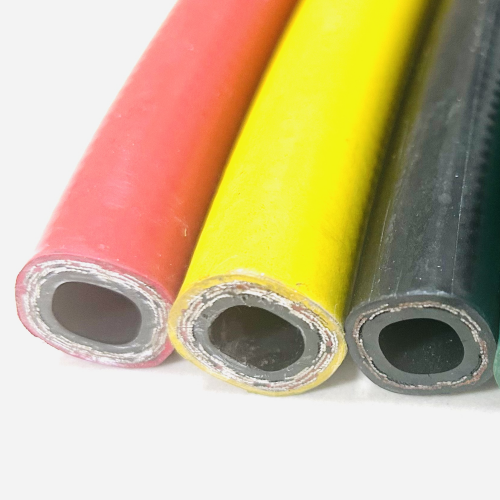
The foundation of a 1/4 inch hydraulic hose lies in its layered construction, typically comprising an inner tube, reinforcement layers, and an outer cover. The inner tube is commonly composed of synthetic rubber compounds – Nitrile (NBR), also known as Buna-N, is prevalent due to its excellent resistance to petroleum-based hydraulic fluids. Ethylene Propylene Diene Monomer (EPDM) is utilized when compatibility with phosphate ester fluids is required. Chloroprene rubber (Neoprene) offers a balance of properties, including oil and weathering resistance. The reinforcement layer(s) impart the hose's strength and resistance to pressure. High-tensile steel wire, spiraled or braided, is the most common reinforcement material. The number of layers and wire diameter directly correlate with the hose’s working pressure capacity. The outer cover, typically a synthetic rubber such as SBR (Styrene-Butadiene Rubber) or polyurethane, provides abrasion resistance, weathering protection, and resistance to ozone degradation. Manufacturing processes include extrusion for the inner tube and outer cover, followed by wire winding or braiding for reinforcement. Precise control of extrusion temperature, pressure, and screw speed is critical to ensure dimensional accuracy and homogeneity of the rubber compounds. Curing, or vulcanization, is a crucial step, involving heating the rubber compounds to induce cross-linking, thereby enhancing their mechanical properties. Post-curing processes involve dimensional inspection, pressure testing (hydrostatic testing), and surface finishing. Adhesion between the layers is critically dependent on surface preparation and the use of appropriate adhesives.
Performance & Engineering
The performance of a 1/4 inch hydraulic hose is governed by fundamental engineering principles. Force analysis dictates the hose’s ability to withstand internal pressure without failure. The hoop stress in the hose wall is directly proportional to the pressure and radius, and inversely proportional to the wall thickness. This necessitates careful selection of reinforcement materials and layer configurations. Fatigue analysis is crucial, as hydraulic systems are subject to cyclical loading. Repeated pressure fluctuations can lead to fatigue cracking, particularly at connection points. Environmental resistance is a critical consideration. Exposure to extreme temperatures, UV radiation, and corrosive fluids can degrade the rubber compounds, compromising the hose's integrity. Compliance requirements, such as those dictated by SAE J517 and EN 853, specify minimum performance standards for pressure rating, burst strength, and temperature range. Functional implementation necessitates consideration of hose bend radius. Exceeding the minimum bend radius can induce kinking and restrict fluid flow. Furthermore, hose routing should minimize abrasion and contact with sharp edges. Proper fitting selection is paramount; mismatched fittings can lead to leakage or hose failure. The use of crimped fittings ensures a secure and leak-proof connection, and the crimp specifications must be carefully controlled based on the hose and fitting materials.
Technical Specifications
| Parameter | Typical Value (China Manufactured 1/4" Hose) | SAE J517 R1AT Specification | Unit |
|---|---|---|---|
| Working Pressure | 1000 - 2000 | 1000 (minimum) | PSI |
| Burst Pressure | 3000 - 6000 | 3000 (minimum) | PSI |
| Temperature Range | -40 to +100 | -40 to +100 | °C |
| Inner Tube Material | NBR (Nitrile) | NBR | - |
| Reinforcement | Single Steel Wire Braid | Single Steel Wire Braid | - |
| Outer Cover Material | SBR (Styrene-Butadiene Rubber) | SBR | - |
Failure Mode & Maintenance
Common failure modes in 1/4 inch hydraulic hoses include fatigue cracking, particularly at the hose ends and around crimp connections. This is initiated by cyclical pressure loading and exacerbated by vibration and abrasion. Bursting, resulting from exceeding the working pressure or the presence of a pre-existing flaw, is a catastrophic failure mode. Pinholing, or localized leakage, can occur due to degradation of the inner tube from fluid incompatibility or chemical attack. Abrasion of the outer cover leads to exposure of the reinforcement layer, increasing the risk of corrosion and subsequent failure. Kinking, caused by excessive bending, restricts fluid flow and can permanently damage the hose. Oxidation and ozone cracking degrade the rubber compounds, reducing their elasticity and strength. Maintenance involves regular visual inspection for signs of damage, such as cuts, abrasions, bulges, or leaks. Hoses should be replaced if any damage is detected. Proper hose routing and support are essential to prevent abrasion and kinking. Regularly check fitting connections for tightness. Fluid contamination can accelerate hose degradation; therefore, maintaining fluid cleanliness is critical. Record keeping of hose installation dates and service history enables proactive replacement and minimizes the risk of unexpected failures. Avoid using hoses in applications exceeding their specified temperature or pressure limits.
Industry FAQ
Q: What is the impact of fluid compatibility on the lifespan of a 1/4 inch hydraulic hose?
A: Fluid incompatibility can severely reduce hose lifespan. For example, using a nitrile (NBR) hose with phosphate ester fluids will cause swelling and degradation of the inner tube, leading to leaks and premature failure. Always verify the hose material's compatibility with the hydraulic fluid being used, referencing compatibility charts provided by hose manufacturers.
Q: How does the steel wire braid configuration affect the hose's performance?
A: The braid angle and number of wires significantly impact the hose’s burst pressure and flexibility. A steeper braid angle generally provides higher pressure capability but reduces flexibility. Multiple braids provide increased strength and resistance to kinking, but at a higher cost.
Q: What are the key differences between R1AT and R2AT hose specifications?
A: R2AT hoses offer a wider temperature range and improved oil resistance compared to R1AT hoses. R2AT hoses typically employ a more robust rubber compound and may feature a more durable outer cover, making them suitable for more demanding applications.
Q: How can I identify a properly crimped fitting?
A: A properly crimped fitting will exhibit a uniform crimp around the hose, with no gaps or distortions. The crimp should conform to the fitting's profile. Incorrect crimping can lead to leakage or hose slippage.
Q: What preventative measures can be taken to mitigate hose failure due to abrasion?
A: Implement proper hose routing to avoid contact with abrasive surfaces. Use hose guards or sleeves to protect the hose in areas prone to abrasion. Regularly inspect hoses for signs of wear and replace them before they are compromised. Avoid sharp bends and excessive flexing.
Conclusion
The selection and implementation of 1/4 inch hydraulic hoses require a comprehensive understanding of material science, manufacturing processes, and engineering principles. Chinese manufacturers offer a cost-effective solution, but quality control and adherence to international standards are paramount. Careful consideration of working pressure, temperature range, fluid compatibility, and environmental factors are essential for ensuring reliable performance and minimizing the risk of failure.
Future advancements in hydraulic hose technology will likely focus on the development of lighter-weight materials, improved abrasion resistance, and enhanced fluid compatibility. Increased automation in manufacturing processes and the adoption of advanced testing methods will contribute to improved quality control. Continued adherence to and refinement of industry standards will be critical for maintaining safety and reliability in hydraulic systems.