
Apr . 01, 2024 17:55 Back to list
china 1/4 hydraulic hose suppliers Technical Analysis
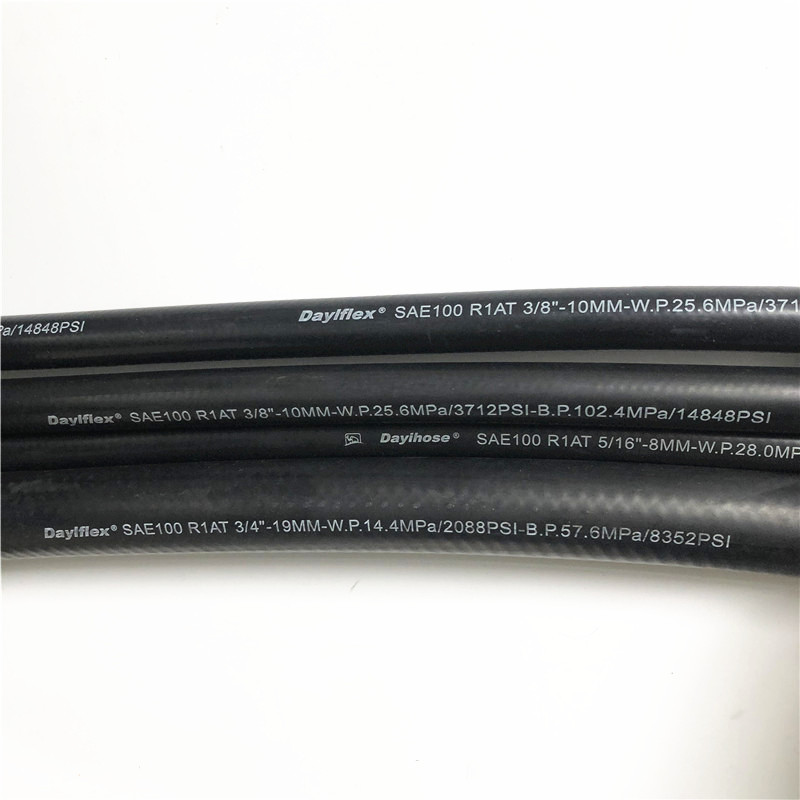
Introduction
1/4 inch hydraulic hoses are a critical component in fluid power systems, facilitating the transmission of hydraulic fluid to actuators and other components. China has emerged as a significant global supplier of these hoses, offering a broad range of options to meet diverse industrial needs. This guide provides an in-depth technical analysis of 1/4 inch hydraulic hoses sourced from China, covering material science, manufacturing processes, performance characteristics, failure modes, and relevant industry standards. The core performance attributes of these hoses—pressure rating, temperature resistance, and fluid compatibility—are paramount, dictating their suitability for specific applications ranging from mobile hydraulics in construction and agriculture to industrial machinery and tooling. A primary pain point for procurement managers is ensuring consistent quality and adherence to international safety standards when sourcing from diverse Chinese manufacturers. This document aims to address that challenge by providing a comprehensive technical overview.
Material Science & Manufacturing
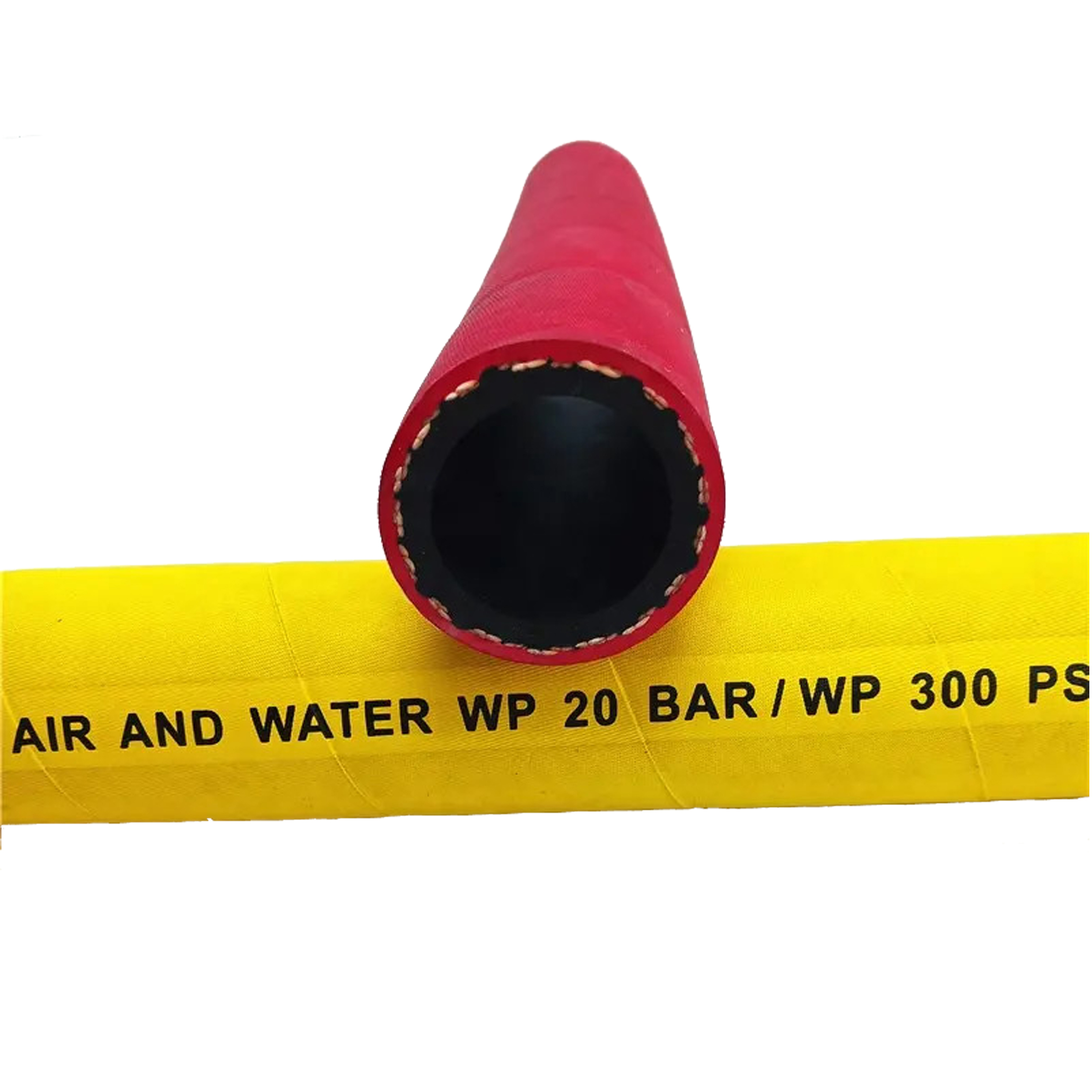
The core material for 1/4 inch hydraulic hose construction is typically a synthetic rubber compound, most commonly based on nitrile rubber (NBR), ethylene propylene diene monomer (EPDM), or chloroprene rubber (CR), depending on the fluid compatibility and temperature requirements. NBR offers excellent resistance to petroleum-based oils, while EPDM excels in applications involving water-glycol fluids and high-temperature environments. CR provides good resistance to ozone, weathering, and abrasion. Reinforcement layers are crucial for pressure containment and are commonly comprised of one or more braids of high-strength steel wire. The number of braids directly correlates to the hose’s pressure rating. Manufacturing processes begin with rubber compounding, carefully mixing the base polymer with reinforcing fillers (carbon black, silica), plasticizers, antioxidants, and curing agents. The compound is then extruded through a die to form the inner tube. The reinforcement braid is applied using a helical winding machine, ensuring consistent coverage and density. A cover layer, also extruded, protects the reinforcement from abrasion, weathering, and chemical attack. Key parameter control during manufacturing includes maintaining precise rubber compound ratios, controlling extrusion temperatures and pressures to achieve consistent wall thickness, and ensuring proper braid tension. Post-curing vulcanization is critical for developing the rubber’s final mechanical properties. Quality control measures include hydrostatic testing to verify burst pressure and impulse testing to assess fatigue resistance.
Performance & Engineering
The performance of a 1/4 inch hydraulic hose is dictated by several engineering considerations. Burst pressure is the maximum pressure the hose can withstand before rupture, and it's a critical safety parameter. Working pressure, typically a fraction of the burst pressure (often defined as 1/4 of the burst pressure), is the maximum pressure for continuous operation. Impulse pressure, representing cyclical pressure fluctuations, is a key factor in determining hose fatigue life. Hose bend radius is also important; exceeding the minimum bend radius can lead to kinking and premature failure. Finite Element Analysis (FEA) is routinely used to optimize hose design for stress distribution and fatigue resistance. Environmental resistance, including temperature variation, ozone exposure, and UV radiation, must also be considered. Chemical compatibility is paramount; the hose material must be inert to the hydraulic fluid being used to prevent swelling, degradation, or contamination. For applications involving high-vibration environments, special hose constructions with enhanced vibration dampening characteristics are employed. Compliance requirements, such as those specified by SAE (Society of Automotive Engineers) and EN (European Norms) standards, dictate minimum performance criteria and testing protocols. Force analysis is performed on the reinforcement layers to ensure they can withstand the internal pressures and external loads without yielding or fracturing.
Technical Specifications
| Parameter | NBR Hose (Typical) | EPDM Hose (Typical) | CR Hose (Typical) | Steel Wire Braid |
|---|---|---|---|---|
| Inner Diameter (in) | 0.25 | 0.25 | 0.25 | N/A |
| Working Pressure (PSI) | 2000-3000 | 1500-2500 | 1000-2000 | 1-2 layers (affecting pressure) |
| Burst Pressure (PSI) | 8000-12000 | 6000-10000 | 4000-8000 | N/A |
| Temperature Range (°F) | -40 to 212 | -58 to 275 | -65 to 212 | -40 to 350 |
| Fluid Compatibility | Petroleum-based oils | Water-glycol, Phosphate Ester | Ozone, Weathering, Abrasion | N/A |
| Minimum Bend Radius (in) | 4-6 | 5-7 | 4-6 | N/A |
Failure Mode & Maintenance
Common failure modes for 1/4 inch hydraulic hoses include burst failure due to exceeding the working pressure, fatigue cracking resulting from cyclical pressure fluctuations and vibration, abrasion of the cover layer leading to reinforcement exposure, and degradation of the rubber compound due to exposure to incompatible fluids or extreme temperatures. Pinholes can develop in the tube due to corrosion or internal damage. Kinking, caused by exceeding the minimum bend radius, can restrict flow and induce stress concentrations. Swelling or shrinking of the rubber compound can occur due to fluid incompatibility. Failure analysis typically involves visual inspection for cracks, abrasions, and bulges, followed by hydrostatic testing to assess residual strength. Preventative maintenance is crucial and includes regular visual inspections for damage, proper hose routing to avoid abrasion and kinking, and ensuring fluid compatibility. Hoses should be replaced at predetermined intervals based on operating conditions and manufacturer recommendations. Connections should be regularly inspected for leaks and tightened as necessary. Avoid over-tightening fittings, as this can damage the hose end. When storing hoses, they should be kept in a cool, dry place away from direct sunlight and ozone sources.
Industry FAQ
Q: What is the impact of steel wire braid construction on hose performance?
A: The number of layers of steel wire braid directly correlates to the hose’s pressure rating and its resistance to kinking. More braids provide higher burst pressure and improved flexibility, but also increase the hose’s stiffness and cost. Selecting the appropriate braid configuration is a trade-off between performance requirements and budgetary constraints.
Q: How do different rubber compounds affect fluid compatibility?
A: NBR is best suited for petroleum-based hydraulic fluids, offering excellent resistance to oil degradation. EPDM excels with water-glycol and phosphate ester fluids, exhibiting superior resistance to swelling and chemical attack. CR provides broad chemical resistance but may not be ideal for all types of hydraulic fluids.
Q: What is the significance of impulse pressure testing?
A: Impulse pressure testing simulates the cyclical pressure fluctuations encountered in real-world hydraulic systems. It assesses the hose’s resistance to fatigue failure, which is a common cause of premature hose failure. Passing impulse testing demonstrates the hose’s long-term durability under dynamic loading conditions.
Q: What are the typical consequences of exceeding the minimum bend radius?
A: Exceeding the minimum bend radius can cause kinking, which restricts fluid flow and induces stress concentrations in the hose wall. This can lead to premature failure, particularly under pressure. Proper hose routing and support are essential to prevent kinking.
Q: What quality control standards are typically applied to 1/4 inch hydraulic hoses from China?
A: Reputable Chinese manufacturers typically adhere to ISO 9001 quality management systems and conduct hydrostatic testing, impulse testing, and dimensional inspections to ensure compliance with SAE and EN standards. Third-party certification from organizations like TUV or SGS can provide additional assurance of quality.
Conclusion
The selection of appropriate 1/4 inch hydraulic hoses from Chinese suppliers requires a thorough understanding of material science, manufacturing processes, and performance characteristics. NBR, EPDM, and CR rubber compounds offer distinct advantages depending on the specific application and fluid compatibility requirements. The number of steel wire braid layers dictates the hose’s pressure rating and flexibility. Rigorous quality control, adherence to international standards (SAE, EN, ISO), and proper preventative maintenance are essential for ensuring long-term reliability and preventing premature failure.
Moving forward, continued advancements in rubber compounding technology and reinforcement materials will likely lead to hydraulic hoses with even higher pressure ratings, improved temperature resistance, and enhanced durability. Increased focus on sustainable materials and manufacturing processes will also become increasingly important. Procurement managers must prioritize comprehensive technical evaluation and supplier qualification to mitigate risks and ensure the optimal performance of hydraulic systems utilizing these critical components.