
Apr . 01, 2024 17:55 Back to list
china 1/4 hydraulic hose factories Performance Analysis
Introduction
1/4 inch hydraulic hoses represent a critical component in fluid power systems across a diverse range of industries, including construction, agriculture, manufacturing, and material handling. Chinese manufacturers have become a significant global supplier of these hoses, offering competitive pricing and increasing technical capabilities. This guide provides a comprehensive technical overview of these hoses, encompassing material science, manufacturing processes, performance characteristics, potential failure modes, and relevant industry standards. The core pain point within the industry revolves around ensuring consistent quality, particularly regarding burst pressure, fatigue life, and chemical compatibility, while navigating increasingly stringent environmental regulations. Variations in rubber compound formulations, reinforcement materials, and manufacturing controls contribute to significant performance discrepancies between suppliers. This detailed analysis aims to equip procurement managers and engineers with the knowledge necessary to make informed sourcing decisions and implement effective quality control measures.
Material Science & Manufacturing
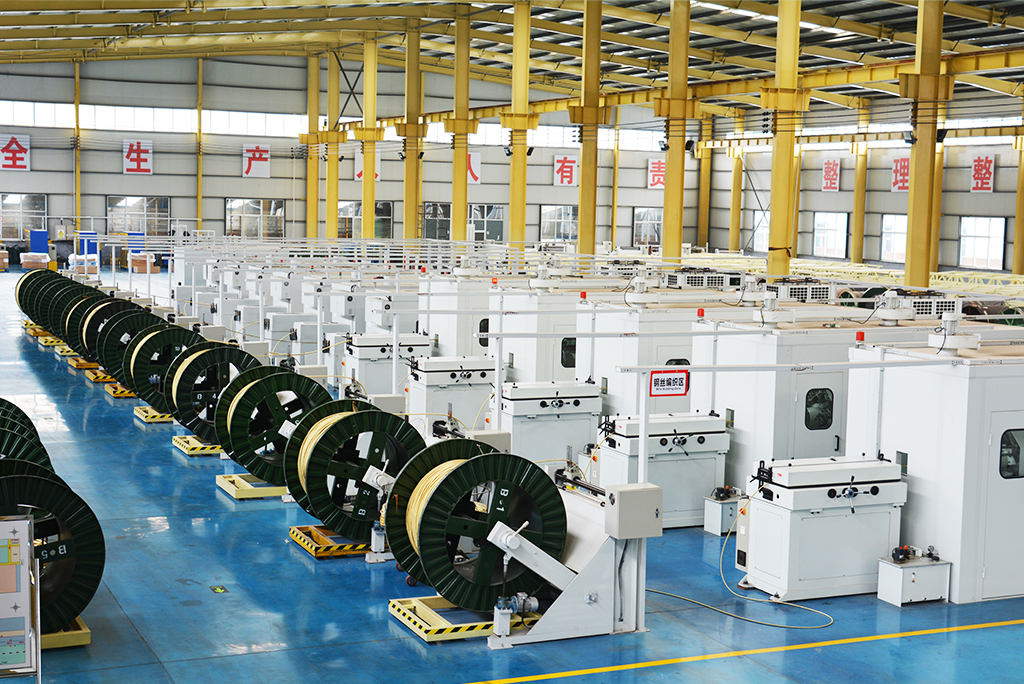
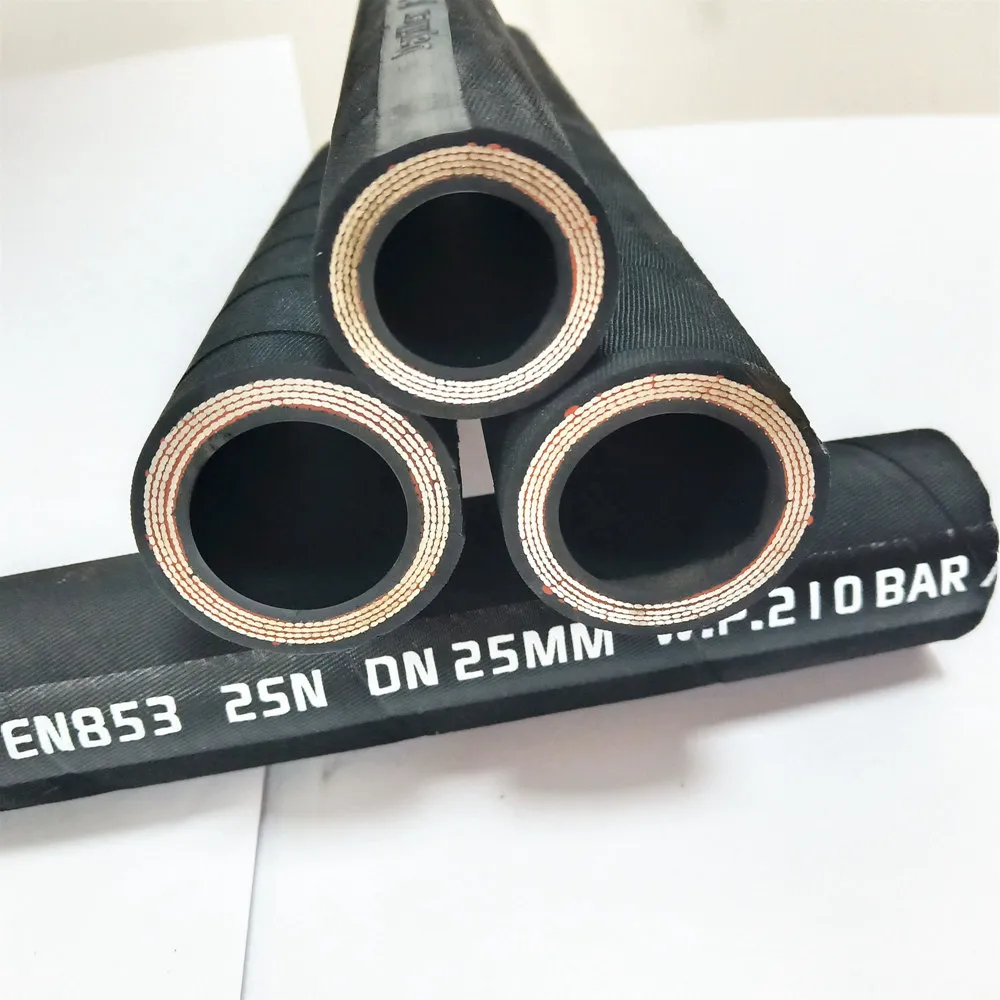
The core construction of a 1/4 inch hydraulic hose comprises several key materials. The inner tube is typically composed of synthetic rubber compounds, most commonly Nitrile Butadiene Rubber (NBR) for oil-based hydraulic fluids, or Ethylene Propylene Diene Monomer (EPDM) for applications requiring resistance to water, heat, and weathering. NBR offers excellent abrasion resistance and tensile strength but has limited temperature range. EPDM excels in high-temperature and ozone environments. Reinforcement is crucial for pressure handling and is usually provided by one or more layers of high-tensile steel wire, spirally wound or braided. The number of layers dictates the working pressure rating of the hose. The outer cover is typically a Chloroprene rubber (CR) compound offering protection against abrasion, oil, ozone, and UV exposure. Manufacturing processes begin with extrusion of the inner tube and outer cover. Steel wire is then precisely wound or braided around the inner tube, followed by vulcanization – a chemical process utilizing heat and pressure to crosslink the rubber polymers, imparting elasticity, strength, and durability. Critical parameters during vulcanization include temperature, pressure, and time; deviations can lead to under-cured or over-cured rubber, affecting hose performance. Chinese manufacturers often employ continuous vulcanization lines to maximize production efficiency. Quality control at this stage includes dimensional checks, pressure testing, and material composition analysis to ensure adherence to specifications.
Performance & Engineering
Performance of a 1/4 inch hydraulic hose is primarily dictated by its burst pressure, working pressure, and fatigue life. Burst pressure is the maximum pressure the hose can withstand before failure; it's typically four times the working pressure. Working pressure is the maximum pressure at which the hose can be safely operated continuously. Fatigue life refers to the number of pressure cycles the hose can endure before failure. Engineering considerations include proper hose routing to avoid kinking or twisting, which can significantly reduce the hose's lifespan. Force analysis is crucial, particularly regarding the bending radius. Exceeding the minimum bending radius creates stress concentrations, leading to premature failure. Environmental resistance is also critical. Exposure to extreme temperatures, corrosive fluids, and UV radiation can degrade the rubber compounds. Chemical compatibility between the hose material and the hydraulic fluid is paramount; incompatible fluids can cause swelling, softening, or cracking of the inner tube. Compliance requirements, such as those stipulated by SAE J517, dictate the performance standards hoses must meet. Hose end fittings also play a crucial role in overall system performance. Improperly crimped fittings can lead to leakage or hose detachment under pressure. Finite element analysis (FEA) is increasingly used in hose design to optimize reinforcement configuration and predict stress distribution under various loading conditions.
Technical Specifications
| Parameter | Unit | Standard Specification (SAE J517 R1AT) | Typical Chinese Manufacturer Range |
|---|---|---|---|
| Inner Diameter | inch | 0.25 | 0.24 - 0.26 |
| Working Pressure | psi | 1000 | 800 - 1200 |
| Burst Pressure | psi | 4000 | 3200 - 4800 |
| Reinforcement Type | - | Single Wire Braid | Single or Double Wire Braid |
| Cover Material | - | Chloroprene (CR) | Chloroprene (CR) or Polyurethane (PU) |
| Temperature Range | °F | -40 to +212 | -40 to +230 (depending on compound) |
Failure Mode & Maintenance
Common failure modes in 1/4 inch hydraulic hoses include burst failure due to exceeding the working pressure, fatigue cracking from repeated pressure cycles, pinhole leaks caused by internal abrasion, and degradation of the rubber compounds due to exposure to harsh environments. Burst failures often originate at imperfections in the reinforcement or at the hose ends. Fatigue cracking typically initiates at areas of high stress concentration, such as bends or near fittings. Pinhole leaks are more prevalent in hoses handling abrasive fluids. Degradation manifests as hardening, cracking, and loss of elasticity. Maintenance practices to mitigate these failures include regular visual inspections for signs of wear, damage, or leaks. Hoses should be replaced if they exhibit any signs of deterioration. Proper hose routing and support are essential to prevent kinking and abrasion. Ensure compatibility between the hose material and the hydraulic fluid. When replacing hoses, use only certified fittings and follow the manufacturer’s recommended crimping procedures. Preventative maintenance programs that include pressure testing and fluid analysis can help identify potential problems before they lead to catastrophic failure. Understanding the root cause of failure through failure analysis (fractography) is critical for implementing corrective actions and improving hose reliability.
Industry FAQ
Q: What is the impact of varying steel wire braid density on the burst pressure of a 1/4 inch hydraulic hose?
A: Increasing the steel wire braid density directly correlates with increased burst pressure. A higher density provides greater tensile strength and resistance to hoop stress. However, it also increases the hose's stiffness and reduces its flexibility. The optimal braid density is a trade-off between pressure handling capability and application requirements.
Q: How does the chemical compatibility of the inner tube affect long-term hose performance with different hydraulic fluids?
A: Incompatible hydraulic fluids can cause the inner tube material to swell, soften, or crack, leading to leaks and premature failure. For example, using petroleum-based fluids in an EPDM hose will cause rapid degradation. Careful selection of the inner tube compound based on the intended fluid is crucial for long-term reliability.
Q: What are the typical quality control procedures implemented by reputable Chinese hydraulic hose manufacturers?
A: Reputable manufacturers employ rigorous quality control procedures, including raw material inspection, dimensional checks, pressure testing (burst and impulse), leak testing, and visual inspection for defects. They often possess ISO 9001 certification and adhere to international standards like SAE J517.
Q: How does temperature affect the working pressure rating of a hydraulic hose?
A: Higher temperatures generally reduce the working pressure rating of a hydraulic hose. Elevated temperatures cause the rubber compounds to soften, reducing their strength and resistance to pressure. Manufacturers provide derating curves that specify the allowable working pressure at different temperatures.
Q: What is the significance of impulse testing, and what standards govern its execution?
A: Impulse testing simulates the pressure pulsations commonly encountered in hydraulic systems. It assesses the hose’s ability to withstand repeated pressure surges without failure. SAE J517 and ISO 6607 outline the procedures for conducting impulse testing, specifying the pressure amplitude, frequency, and number of cycles.
Conclusion
The performance and reliability of 1/4 inch hydraulic hoses are intrinsically linked to the careful selection of materials, precise manufacturing processes, and adherence to stringent quality control standards. Chinese manufacturers are increasingly capable of producing hoses that meet or exceed international specifications, but quality can vary significantly. Understanding the interplay between material properties, reinforcement configurations, and operational parameters is crucial for selecting the optimal hose for a given application.
Implementing robust inspection procedures, verifying material certifications, and conducting regular maintenance are essential for maximizing hose lifespan and preventing costly downtime. Continued innovation in rubber compound formulations and manufacturing techniques will drive further improvements in hose performance and durability, enabling more efficient and reliable hydraulic systems.