
Apr . 01, 2024 17:55 Back to list
china 1/4 3/8 air hose suppliers Performance Analysis
Introduction
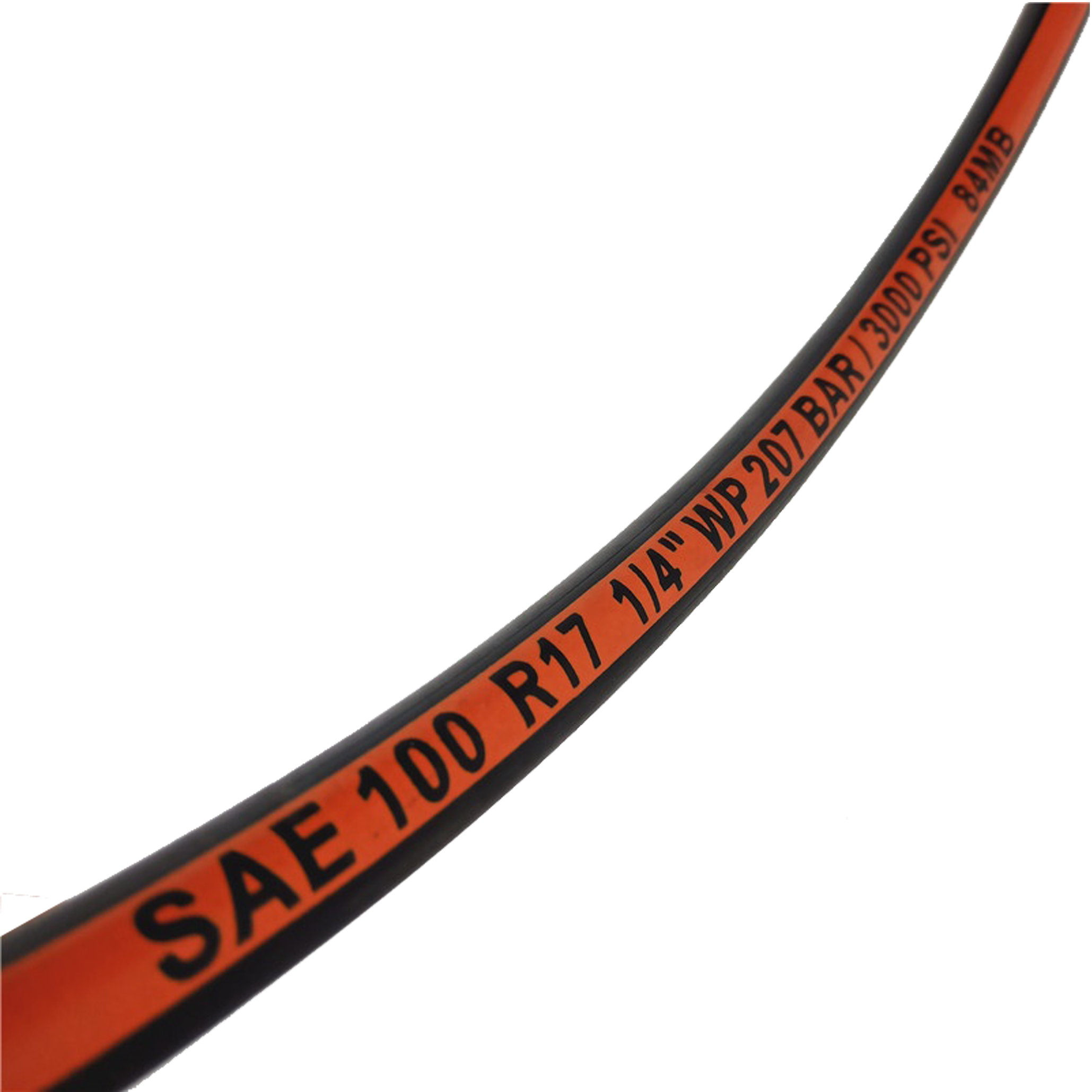
Pneumatic air hoses, specifically those conforming to 1/4 inch and 3/8 inch inner diameter specifications, represent a critical component in a vast array of industrial, construction, and automotive applications. China has emerged as a leading global supplier of these hoses, offering a diverse range of products manufactured to meet international standards. This technical guide provides an in-depth examination of these hoses, covering material science, manufacturing processes, performance characteristics, potential failure modes, and relevant industry standards. The proliferation of Chinese suppliers necessitates a comprehensive understanding of the inherent tradeoffs between cost, performance, and durability. This guide focuses on assisting procurement professionals and engineers in navigating this complex landscape and selecting the optimal hose for their specific application, addressing core industry concerns related to burst pressure, abrasion resistance, and chemical compatibility. A key pain point is ensuring consistent quality control across diverse manufacturing facilities and adherence to rigorous testing protocols.
Material Science & Manufacturing
The vast majority of 1/4 and 3/8 inch air hoses are constructed from a combination of materials designed to provide flexibility, strength, and resistance to environmental factors. The core tube is typically made from synthetic rubber compounds, most commonly Polyvinyl Chloride (PVC), Nitrile Butadiene Rubber (NBR, also known as Buna-N), or a Styrene-Butadiene Rubber (SBR) blend. PVC offers cost-effectiveness and good abrasion resistance, but suffers from limited flexibility at low temperatures. NBR provides superior oil resistance and flexibility but is more expensive. SBR offers a balance between cost and performance. Reinforcement layers are crucial for withstanding internal pressure. These layers are typically composed of high-tensile strength textile plies – often polyester or nylon – spirally wound or braided within the rubber tube. The outer cover is typically a blend of PVC or polyurethane, providing abrasion resistance, weather protection, and chemical resistance. Manufacturing processes vary. Extrusion is used to form the inner tube and outer cover. Braiding or spiraling of reinforcement plies is a critical step; the angle and tension of these plies directly impact the hose's burst pressure and kink resistance. Parameter control during extrusion – temperature, pressure, and screw speed – are essential for maintaining consistent wall thickness and material homogeneity. Vulcanization, a chemical process involving sulfur, is used to crosslink the rubber polymers, enhancing elasticity, strength, and temperature resistance. Quality control focuses on ensuring proper cure time and temperature distribution. The selection of plasticizers and stabilizers also plays a vital role in the long-term durability of the hose.

Performance & Engineering
The performance of air hoses is governed by several critical engineering parameters. Burst pressure, measured in PSI (pounds per square inch), is the maximum pressure the hose can withstand before failure, and is directly related to the reinforcement ply material, construction (braid vs. spiral), and tube wall thickness. Working pressure is typically a fraction (e.g., 1/4) of the burst pressure, providing a safety margin. Tensile strength, measured in MPa (megapascals), dictates the hose's resistance to stretching and tearing. Elongation at break indicates the hose's ductility. Environmental resistance is paramount. Ozone degradation, caused by exposure to ozone in the atmosphere, can lead to cracking and embrittlement, particularly in unsaturated rubber compounds. UV exposure can similarly degrade the outer cover. Temperature range is also critical; hoses must maintain flexibility and pressure resistance across a specified temperature spectrum. Compliance with safety regulations, such as those established by OSHA (Occupational Safety and Health Administration) in the US and equivalent bodies in Europe, is non-negotiable. Force analysis during use reveals that dynamic loads (e.g., impact, bending) significantly contribute to fatigue failure. Proper hose routing and the use of appropriate fittings are essential to minimize stress concentrations. Furthermore, the flow rate through the hose is influenced by its inner diameter and smoothness; a rough inner surface increases friction losses and reduces efficiency.
Technical Specifications
| Parameter | 1/4" Air Hose (Typical) | 3/8" Air Hose (Typical) | Unit |
|---|---|---|---|
| Inner Diameter | 6.35 mm (0.25 inch) | 9.53 mm (0.375 inch) | mm/inch |
| Working Pressure | 300 | 300 | PSI |
| Burst Pressure | 900 | 900 | PSI |
| Outer Diameter | 10-12 | 12-14 | mm |
| Material (Tube) | PVC/NBR Blend | PVC/NBR Blend | - |
| Material (Cover) | PVC | PVC | - |
| Reinforcement | Polyester Braid | Polyester Braid | - |
Failure Mode & Maintenance
Air hoses are susceptible to several failure modes. Fatigue cracking, caused by repeated bending and flexing, is a common issue, particularly near fittings. Delamination, the separation of reinforcement plies from the tube or cover, can occur due to improper bonding during manufacturing or prolonged exposure to harsh environments. Abrasion, caused by contact with rough surfaces, wears away the outer cover, exposing the reinforcement layers. Kinking, resulting from excessive bending, restricts flow and can permanently damage the hose. Oxidation and ozone attack degrade the rubber compounds, leading to cracking and loss of elasticity. Chemical incompatibility can cause swelling, softening, or cracking of the hose material. Maintenance practices are crucial for extending hose life. Regular visual inspection for cracks, abrasions, and kinks is essential. Avoid exceeding the working pressure. Store hoses in a cool, dry, and dark environment, away from ozone sources and direct sunlight. Properly drain hoses after use to prevent internal corrosion. Periodically test hoses for leaks using a soapy water solution. Damaged hoses should be replaced immediately, not repaired, to avoid catastrophic failure. Avoid sharp bends and utilize hose protectors in areas prone to abrasion. Cleaning with mild soap and water can remove contaminants and prolong life.
Industry FAQ
Q: What is the significance of the reinforcement ply material (polyester vs. nylon)?
A: Polyester braid generally offers superior resistance to stretching and provides a more stable hose diameter under pressure. Nylon braid, while stronger in tensile strength, is more prone to elongation. For air hose applications where dimensional stability is crucial, polyester is often preferred. The choice impacts the hose’s ability to maintain consistent flow and prevent blowouts.
Q: How does temperature affect the performance of a PVC air hose?
A: PVC becomes significantly less flexible at lower temperatures, increasing the risk of kinking and cracking. In cold environments, NBR or SBR-based hoses are preferred due to their superior low-temperature flexibility. Conversely, excessive heat can cause PVC to soften and lose its pressure-holding capacity.
Q: What are the common causes of premature hose failure in automotive applications?
A: Oil contamination from air tools, exposure to undercarriage fluids, and repeated bending during engine work are common culprits. NBR tubes offer better resistance to oil, but proper cleaning and preventative maintenance are still vital. Kinking during maneuvering and abrasion from contact with engine components also contribute.
Q: What is the difference between a “single layer” and “double layer” air hose?
A: A “double layer” hose typically refers to a hose with two reinforcement plies, providing significantly higher burst pressure and abrasion resistance compared to a single-ply hose. This construction is crucial for demanding applications involving high-pressure tools or harsh environments. The increased reinforcement also improves kink resistance.
Q: How important is the fitting material and connection type?
A: Fittings are a critical point of failure. Brass fittings are common but can corrode over time. Stainless steel fittings offer superior corrosion resistance. The connection type (e.g., barbed, quick-connect) must be compatible with the hose material and application requirements. Improperly secured fittings can lead to leaks and potentially dangerous situations.
Conclusion
Selecting the appropriate 1/4 or 3/8 inch air hose from China-based suppliers requires careful consideration of the operational environment, pressure requirements, and potential exposure to chemicals and temperature extremes. Understanding the interplay between material science, manufacturing processes, and performance characteristics is paramount for ensuring long-term reliability and safety. Prioritizing hoses with robust reinforcement, appropriate rubber compounds, and adherence to international standards will mitigate the risk of premature failure and minimize downtime.
Ongoing vigilance in inspection and maintenance, coupled with a proactive approach to preventative measures, is essential for maximizing the service life of these critical components. As China continues to dominate the air hose supply chain, a comprehensive understanding of the inherent quality control challenges and potential material variations will empower procurement professionals and engineers to make informed decisions and optimize overall operational efficiency.