
Apr . 01, 2024 17:55 Back to list
china 1/4 3/8 air hose manufacturer Performance Analysis
Introduction
Pneumatic air hoses, specifically those manufactured to 1/4 inch and 3/8 inch internal diameter standards, represent a critical component within a vast array of industrial applications. These hoses are utilized for the transmission of compressed air to power pneumatic tools, operate automated machinery, and facilitate various processes across manufacturing, construction, automotive repair, and maintenance sectors. China has emerged as a leading global manufacturer of these hoses, offering competitive pricing and increasingly sophisticated production capabilities. This guide details the material science, manufacturing processes, performance characteristics, potential failure modes, and relevant industry standards pertaining to 1/4 and 3/8 inch air hoses produced by Chinese manufacturers. A key industry pain point centers around ensuring consistent quality and adherence to international safety regulations, particularly regarding burst pressure and material degradation under varying environmental conditions. Achieving reliable performance necessitates a deep understanding of the underlying material properties and manufacturing controls.
Material Science & Manufacturing
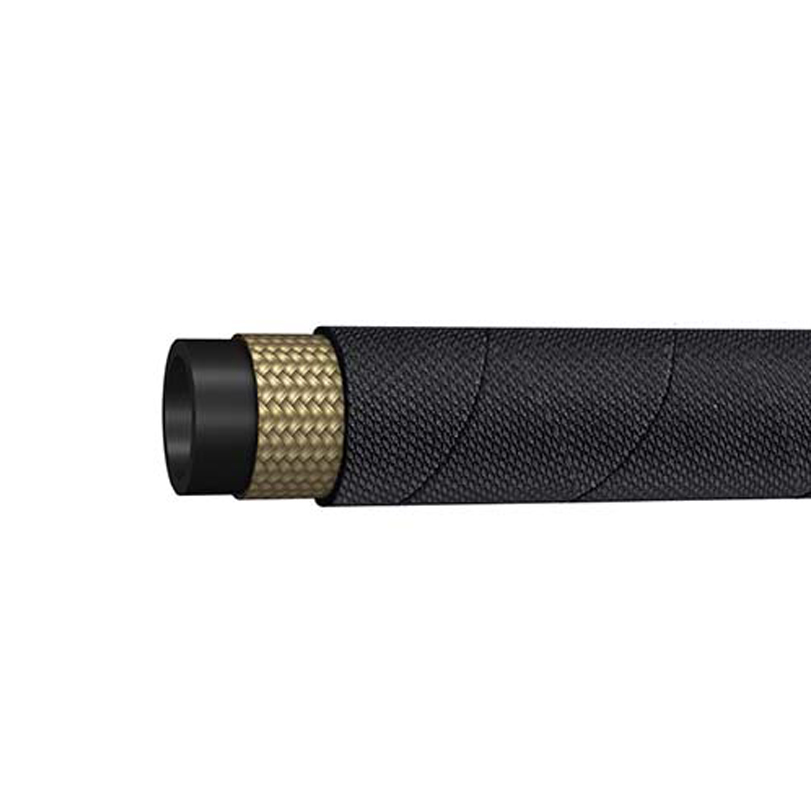
The predominant material utilized in the construction of pneumatic air hoses is synthetic rubber, most commonly a blend of Polyvinyl Chloride (PVC) and Polyurethane (PU). PVC provides excellent abrasion resistance and cost-effectiveness, while PU imparts superior flexibility, oil resistance, and resistance to cracking. Reinforcement layers are crucial to withstand internal pressure. These typically consist of a high-tensile strength textile braid, most frequently utilizing polyester or nylon yarns. The manufacturing process typically begins with compound mixing, where raw rubber polymers, plasticizers, stabilizers, fillers (such as carbon black for UV protection), and curing agents are thoroughly blended. Extrusion then forms the inner tube, followed by the application of the reinforcement braid using a specialized braiding machine. A cover layer is subsequently extruded over the braid, providing external protection. Critical parameters during extrusion include temperature control (to ensure proper polymer flow and prevent degradation), die design (to maintain dimensional accuracy), and cooling rates (to achieve desired material properties). Curing, a vulcanization process, is then implemented using heat and pressure to crosslink the rubber polymers, enhancing strength, elasticity, and resistance to solvents. Quality control checks include dimensional verification, burst pressure testing, and visual inspection for defects like porosity or uneven coverage. The type and quality of the reinforcement braid directly impact the Working Pressure (WP) and Burst Pressure (BP) ratings of the hose.
Performance & Engineering
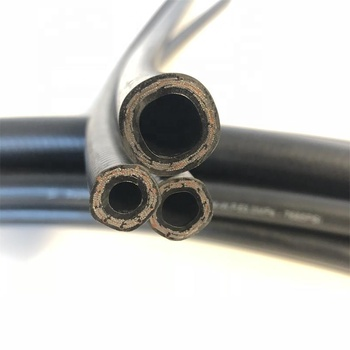
The performance of a pneumatic air hose is critically defined by its ability to withstand internal pressure without failure, maintain flexibility under varying temperatures, and resist degradation from exposure to oils, chemicals, and UV radiation. Force analysis involves calculating hoop stress within the hose wall based on internal pressure and diameter. Higher pressures necessitate thicker hose walls and stronger reinforcement layers. Environmental resistance is paramount; hoses operating in outdoor environments must exhibit resistance to ozone cracking, UV degradation, and temperature fluctuations. This is addressed through the addition of UV stabilizers and antioxidants to the rubber compound. Compliance requirements vary by region but generally include adherence to safety standards related to burst pressure, material flammability, and chemical resistance. Functional implementation considers factors such as bend radius (smaller radii increase stress concentrations) and coupling compatibility (ensure secure and leak-proof connections). Proper hose selection requires calculating the pressure drop along the hose length, considering factors like hose diameter, length, and air flow rate. Hose flexibility impacts operator ergonomics and maneuverability. Fatigue life is a significant concern; repeated flexing and pressure cycling can lead to material fatigue and eventual failure. The choice of materials and the quality of the manufacturing process directly influence the fatigue resistance of the hose.
Technical Specifications
| Parameter | 1/4 Inch Hose | 3/8 Inch Hose | Units |
|---|---|---|---|
| Internal Diameter | 6.35 | 9.53 | mm |
| External Diameter | 10.0-12.0 | 13.0-15.0 | mm |
| Working Pressure (WP) | 300 | 300 | psi |
| Burst Pressure (BP) | 900 | 900 | psi |
| Temperature Range | -40 to +80 | -40 to +80 | °C |
| Material (Tube) | PVC/PU Blend | PVC/PU Blend | - |
| Material (Reinforcement) | Polyester Braid | Polyester Braid | - |
Failure Mode & Maintenance
Common failure modes in pneumatic air hoses include burst failure due to exceeding the working pressure, abrasion leading to weakening of the hose wall, cracking due to ozone exposure or material degradation, and coupling failure resulting from corrosion or improper tightening. Burst failures typically occur suddenly and catastrophically, posing a significant safety risk. Abrasion is accelerated by contact with rough surfaces or abrasive materials. Ozone cracking manifests as small surface cracks, gradually propagating through the hose wall. Delamination of the reinforcement braid can occur due to moisture ingress or improper bonding during manufacturing. Oxidation of the rubber compound leads to hardening and loss of flexibility. Preventative maintenance includes regular visual inspection for signs of damage, proper storage away from direct sunlight and ozone sources, and periodic pressure testing. Hoses should be replaced immediately if any signs of damage are detected. Avoid kinking the hose sharply, as this creates stress concentrations and accelerates fatigue failure. Ensure couplings are securely tightened but not over-tightened, as this can damage the hose end. Regular cleaning can prevent the build-up of contaminants that can contribute to degradation. Consider using hose guards in areas prone to abrasion. A comprehensive failure analysis should be conducted for any unexpected hose failures to identify the root cause and prevent recurrence.
Industry FAQ
Q: What is the significance of the burst pressure rating compared to the working pressure?
A: The working pressure is the maximum continuous pressure the hose can safely handle under normal operating conditions. The burst pressure is a significantly higher pressure that the hose can withstand for a short duration without rupturing. It provides a safety margin, but exceeding the working pressure even briefly can compromise hose integrity and lead to failure. A general safety factor of 4:1 is typically applied, meaning the burst pressure should be at least four times the working pressure.
Q: How does temperature affect the performance of a PVC/PU air hose?
A: Elevated temperatures can reduce the tensile strength and elasticity of the rubber compound, increasing the risk of failure. Low temperatures can make the hose more brittle and prone to cracking. The specified temperature range indicates the limits within which the hose will maintain its performance characteristics. Operating outside this range can significantly reduce the hose's lifespan.
Q: What is the role of the reinforcement braid in a pneumatic air hose?
A: The reinforcement braid provides the structural strength to withstand internal pressure and prevent the hose from bursting. The type of material (polyester or nylon) and the weave pattern influence the hose's pressure rating, flexibility, and resistance to kinking. A higher yarn count and tighter weave generally result in a stronger and more durable hose.
Q: How can I identify if a hose is degrading due to ozone exposure?
A: Ozone cracking typically manifests as small, hairline cracks on the surface of the hose, often appearing perpendicular to the hose's length. The rubber may also feel hardened or brittle to the touch. If ozone cracking is detected, the hose should be replaced immediately.
Q: What are the best practices for storing pneumatic air hoses to maximize their lifespan?
A: Hoses should be stored in a cool, dry, and dark location away from direct sunlight, ozone sources (such as electric motors), and extreme temperatures. They should be coiled loosely to avoid kinking and stored off the ground to prevent abrasion. Avoid storing hoses in contact with oils or solvents.
Conclusion
The selection and maintenance of pneumatic air hoses manufactured in China necessitate a thorough understanding of the materials, manufacturing processes, and performance characteristics discussed. Ensuring consistent quality control, adherence to international standards, and proper operational practices are critical to maximizing hose lifespan and preventing catastrophic failures. The 1/4 inch and 3/8 inch hose sizes remain industry standards, but ongoing advancements in material science are leading to hoses with improved pressure ratings, temperature resistance, and chemical compatibility.
Future developments are likely to focus on incorporating smart sensor technology into air hoses to monitor pressure, temperature, and wear, enabling predictive maintenance and enhancing safety. Furthermore, the development of more sustainable and environmentally friendly rubber compounds will be increasingly important to meet evolving regulatory requirements and consumer demands. Prioritizing these aspects will be key to maintaining a reliable and efficient pneumatic system.